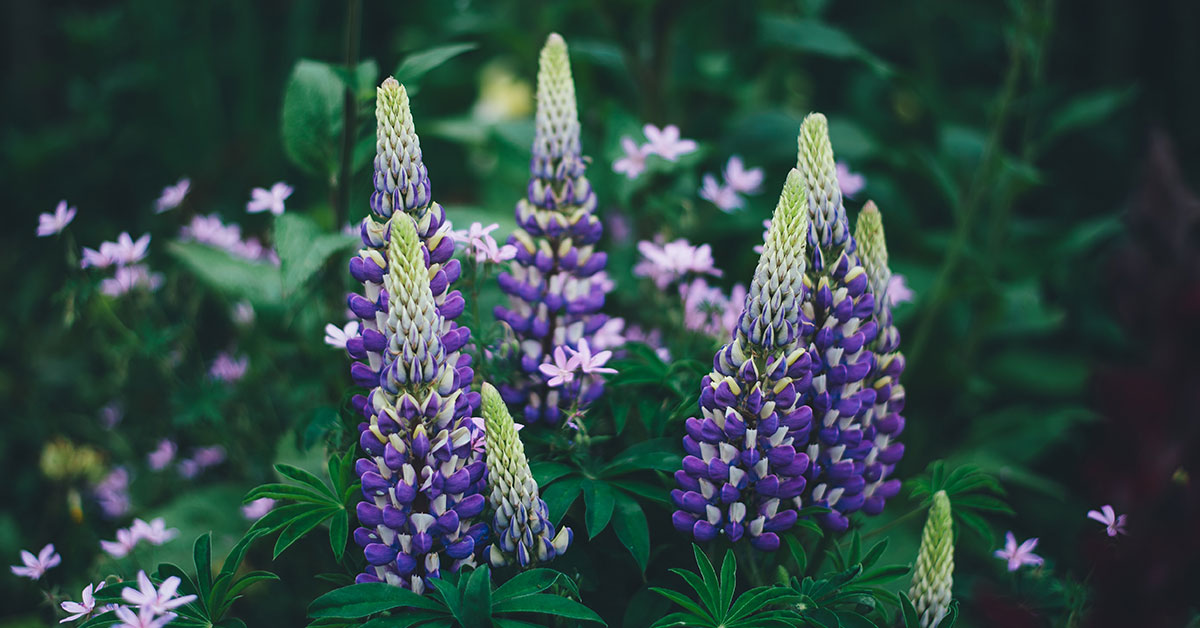

Welcome to our comprehensive guide on how to deadhead lupines, a vital practice for maintaining the health and beauty of these stunning flowering plants. Lupines, with their vibrant and diverse range of colors, are a popular choice among gardeners looking to add a touch of elegance to their landscapes. Deadheading, the process of removing spent flowers, not only enhances the overall appearance of the plant but also encourages prolonged blooming and prevents the formation of seeds.
In this article, we will delve into the importance of deadheading lupines, the best techniques to employ, and the optimal time to perform this task. Whether you are a seasoned gardener or a beginner, this article will equip you with the knowledge and skills necessary to keep your lupines thriving and flourishing throughout the growing season.
Should you deadhead lupines?
Deadheading lupines is a common practice among gardeners, and it can have several benefits for the overall health and appearance of the plant. Deadheading refers to the removal of spent flowers or flower heads from a plant. Here is a detailed explanation of whether or not one should deadhead lupines:
- Aesthetics: Deadheading lupines can enhance the visual appeal of the plant and the overall garden. By removing faded or wilted flowers, you can maintain a neat and tidy appearance. This is particularly important if you have a formal garden or if you want to showcase the lupines as a focal point.
- Extended Blooming Period: Deadheading can encourage lupines to produce more flowers and extend their blooming period. When the flowers are left to wither and produce seeds, the plant’s energy is directed towards seed production rather than producing more blooms. By removing spent flowers, you redirect the plant’s energy towards new growth and the development of new flower buds.
- Preventing Self-Seeding: Lupines are known for their ability to self-seed prolifically. While this can be desirable in some cases, it can also lead to overcrowding and competition among plants. Deadheading prevents the formation of seed pods, reducing the chances of self-seeding and allowing you to have more control over the plant’s growth and distribution.
- Promoting Healthier Growth: Deadheading lupines can help maintain the plant’s overall health. By removing spent flowers, you reduce the risk of diseases and pests that may be attracted to decaying plant material. Additionally, deadheading stimulates the production of new growth and encourages the plant to allocate its resources towards root development and foliage growth.
- Wildlife Attraction: Lupines are known to attract pollinators such as bees and butterflies. By deadheading, you can ensure that the plant continues to produce fresh flowers, providing a continuous source of nectar for pollinators. This can contribute to a healthy ecosystem in your garden and support the local wildlife population.
However, it’s important to note that deadheading lupines is not mandatory. If you prefer a more natural look or want to allow the plant to self-seed, you can leave the spent flowers on the plant. Lupines also have attractive seed pods that can add interest to the garden, especially during the fall and winter seasons.
Deadheading lupines can be beneficial for maintaining a tidy appearance, extending the blooming period, preventing self-seeding, promoting healthier growth, and attracting pollinators. However, the decision to deadhead or not ultimately depends on your personal preferences and the specific goals you have for your garden.
When to deadhead lupines?
The best timing to deadhead lupines is after the flowers have finished blooming and started to fade. Deadheading is the process of removing spent flowers from a plant to encourage more blooms and prevent the plant from going to seed. For lupines, it is generally recommended to deadhead them as soon as the flowers start to wither and lose their vibrant color.
The exact timing may vary depending on the specific variety of lupine and the climate in which you are growing them. In general, lupines bloom in late spring or early summer and their flowers last for a few weeks. Once the flowers start to fade, you can begin deadheading.
To deadhead lupines, simply cut off the faded flower stalks just above a set of healthy leaves or a lateral bud. This will redirect the plant’s energy from seed production to new growth and the development of more flowers. It is important to use clean and sharp pruning shears or scissors to make clean cuts and minimize the risk of disease.
Deadheading lupines regularly throughout the blooming season can help prolong their flowering period and keep the plant looking tidy. However, if you want to collect seeds from your lupines, you can allow some flowers to go to seed and dry on the plant. This will provide you with seeds for future propagation.
Remember to monitor your lupines closely and deadhead them promptly to ensure the best results.
How to deadhead lupines
Deadheading lupines is an important task to promote continuous blooming and maintain the overall health of the plant. Here is a step-by-step guide on how to deadhead lupines:
- Timing: The best time to deadhead lupines is after the initial bloom period, typically in late spring or early summer. This allows the plant to produce new flower spikes and extend the blooming season.
- Observe the plant: Look for spent flower spikes that have finished blooming and are starting to fade or wilt. These are the ones you will be removing.
- Prepare your tools: Get a pair of clean and sharp pruning shears or scissors. It’s important to use clean tools to prevent the spread of diseases.
- Locate the spent flower spikes: Identify the flower spikes that have finished blooming. They are usually easy to spot as they will have faded flowers and may be starting to develop seed pods.
- Cut the flower spikes: Position your pruning shears or scissors just above the first set of healthy leaves below the spent flower spike. Make a clean cut at a 45-degree angle to prevent water from pooling on the cut surface.
- Remove the entire spike: It’s important to remove the entire flower spike, including any developing seed pods. This prevents the plant from putting energy into seed production and encourages it to produce new flower spikes instead.
- Dispose of the cuttings: Collect the cut flower spikes and any other plant debris and dispose of them properly. This helps prevent the spread of diseases and pests.
- Water and fertilize: After deadheading, give your lupines a thorough watering to ensure they stay hydrated. You can also apply a balanced fertilizer according to the package instructions to provide the plant with essential nutrients for healthy growth and continuous blooming.
- Monitor and repeat: Keep an eye on your lupines and repeat the deadheading process as needed throughout the blooming season. Regular deadheading will encourage the plant to produce more flower spikes and prolong the overall blooming period.
By following these steps, you can help your lupines thrive and enjoy a longer and more abundant blooming season.
Aftercare
After deadheading lupines, it is important to follow some care guidelines to ensure the health and vitality of the plant. Here are the detailed steps to take:
- Timing: Deadheading lupines should be done immediately after the flowers have faded and started to wither. This is usually in late spring or early summer, depending on your specific climate and the variety of lupine.
- Tools: Prepare a pair of clean and sharp pruning shears or scissors. It is important to use clean tools to prevent the spread of diseases.
- Sterilize: Before starting, sterilize your pruning tools by wiping them with rubbing alcohol or a solution of one part bleach to nine parts water. This helps prevent the transmission of any potential diseases.
- Identify spent flowers: Look for the spent flowers on the lupine plant. These are the ones that have faded in color and are starting to wilt or dry out.
- Cut back: Locate the stem just below the spent flower and make a clean cut. Ideally, cut the stem back to a healthy set of leaves or side shoot. This will encourage new growth and potentially more blooms.
- Remove all spent flowers: Continue deadheading the entire plant, removing all the spent flowers. This will prevent the plant from producing seeds and redirect its energy towards producing new flowers.
- Clean up: Collect all the cut flowers and any fallen petals or debris around the plant. This helps maintain cleanliness and reduces the risk of pests and diseases.
- Watering: After deadheading, give the plant a thorough watering. This helps replenish moisture and nutrients in the soil.
- Fertilization: Consider applying a balanced, slow-release fertilizer to the soil around the lupine plant. This will provide the necessary nutrients for healthy growth and future blooms.
- Mulching: Apply a layer of organic mulch around the base of the plant. This helps conserve moisture, suppress weeds, and regulate soil temperature.
- Maintenance: Throughout the growing season, monitor the lupine plant for any signs of pests, diseases, or nutrient deficiencies. Address any issues promptly to ensure the plant’s overall health.
By following these care guidelines, you can help your lupine plant recover quickly and potentially produce a second flush of blooms later in the season.