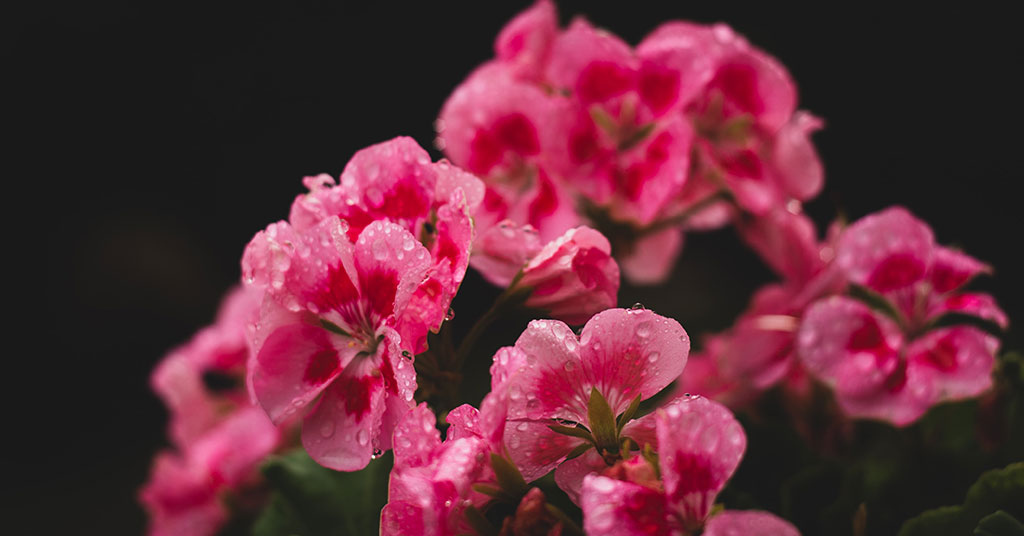

Welcome to our comprehensive guide on how to deadhead geraniums, a crucial practice for maintaining the health and beauty of these vibrant flowering plants. Deadheading, the process of removing spent blooms, not only enhances the overall appearance of geraniums but also promotes continuous blooming throughout the growing season. Whether you are a seasoned gardener or a beginner, this article will equip you with the knowledge and techniques necessary to successfully deadhead geraniums, ensuring they thrive and provide a stunning display of color in your garden or containers. So, let’s dive in and discover the art of deadheading geraniums to unleash their full potential!
Should you deadhead geraniums?
Deadheading geraniums is generally recommended to promote continuous blooming and maintain the overall health and appearance of the plant. Deadheading refers to the removal of spent flowers or flower heads from the plant. Here are some reasons why deadheading geraniums can be beneficial:
- Prolonged blooming: Geraniums are known for their prolific blooming, and deadheading helps to extend their flowering period. By removing faded flowers, you encourage the plant to produce new buds and blooms. This results in a longer display of vibrant flowers throughout the growing season.
- Neater appearance: Geraniums can become unsightly when the spent flowers start to wither and dry up. Deadheading helps to maintain a tidy and attractive appearance by removing these faded blooms. This is especially important if you are growing geraniums in containers or as bedding plants.
- Energy conservation: When geraniums produce seeds, they divert energy from flower production to seed development. By deadheading, you prevent the plant from expending energy on seed production and redirect it towards new flower formation. This encourages the plant to put its energy into producing more blooms, resulting in a more abundant and vibrant display.
- Preventing self-seeding: Geraniums are known to self-seed, which can lead to overcrowding and competition for resources among the plants. Deadheading prevents the formation of seeds, reducing the chances of self-seeding and helping to maintain a more controlled and organized garden.
It’s worth noting that not all geranium varieties require deadheading. Some modern hybrid geraniums, such as the “Wave” series or “Calliope” series, are self-cleaning, meaning their spent flowers drop off naturally without the need for deadheading. However, most traditional geraniums can benefit from regular deadheading to ensure optimal blooming and plant health.
Overall, deadheading geraniums is a simple and rewarding practice that helps to promote continuous blooming, maintain a neat appearance, and prevent self-seeding. By investing a little time and effort into deadheading, you can enjoy a more vibrant and beautiful display of geranium flowers in your garden.
When to deadhead geraniums?
Deadheading geraniums is an important practice to maintain their appearance and encourage continuous blooming throughout the growing season. The timing for deadheading geraniums depends on the specific type of geranium you have, as well as your climate and growing conditions. However, there are some general guidelines to follow:
- Regular Deadheading: It is recommended to deadhead geraniums regularly throughout the growing season, especially when the flowers start to fade or wilt. This helps to prevent the plant from expending energy on seed production and redirects it towards new growth and flower production.
- Pinching Method: For most geranium varieties, pinching is an effective method of deadheading. Pinch off the faded flower heads just above the first set of healthy leaves or leaf node. This encourages lateral growth and stimulates the development of new flower buds.
- Timing for Perennial Geraniums: Perennial geraniums, also known as cranesbills, have a longer blooming period compared to annual geraniums. Deadheading perennial geraniums can be done throughout the growing season, but it is especially important to deadhead after the initial flush of flowers to encourage a second bloom later in the season.
- Timing for Annual Geraniums: Annual geraniums, also known as zonal geraniums, are often grown as bedding plants or in containers. These geraniums benefit from regular deadheading to promote continuous blooming. Deadhead as soon as the flowers start to fade or wilt to encourage new flower production.
- Climate Considerations: In cooler climates, deadheading geraniums can be done more frequently to maintain their appearance and encourage blooming. In warmer climates, where geraniums may bloom year-round, deadheading can be done as needed to remove faded flowers and promote new growth.
Remember to always use clean and sharp pruners or scissors when deadheading geraniums to prevent the spread of diseases. Additionally, it’s a good practice to remove any yellowing or damaged leaves while deadheading to keep the plant healthy and tidy.
How to deadhead geraniums
Deadheading geraniums is an essential task to promote healthy growth and encourage continuous blooming throughout the growing season. Here is a step-by-step guide on how to deadhead geraniums:
- Timing: The ideal time to deadhead geraniums is when the flowers have started to fade and wilt. It’s best to deadhead regularly throughout the growing season to prevent the plant from going to seed and to encourage the production of new blooms.
- Gather your tools: You will need a pair of clean, sharp pruning shears or scissors. It’s important to use clean tools to prevent the spread of diseases or pests.
- Identify spent blooms: Look for flowers that have wilted, lost their vibrant color, or have started to dry out. These are the blooms that need to be removed.
- Follow the stem: Trace the stem of the spent bloom down to where it meets the main stem or a set of leaves. This is where you will make your cut.
- Cut at the right spot: Position your pruning shears or scissors just above a set of healthy leaves or a leaf node. Make a clean cut at a 45-degree angle, ensuring that you don’t damage any nearby buds or new growth.
- Remove the entire flower head: Deadhead the geranium by cutting off the entire flower head, including the stem and any seed pods that may have formed. This will prevent the plant from wasting energy on seed production and redirect its resources towards new blooms.
- Dispose of the spent blooms: Collect the removed flower heads and dispose of them in a compost bin or trash bag. Do not leave them on the ground near the plant, as this can attract pests or spread diseases.
- Repeat the process: Continue deadheading geraniums regularly throughout the growing season, especially when you notice faded or wilted blooms. This will encourage the plant to produce new flowers and extend the blooming period.
- Monitor for pests and diseases: While deadheading, keep an eye out for any signs of pests or diseases, such as aphids, powdery mildew, or leaf spots. If you notice any issues, take appropriate measures to address them promptly.
- Provide proper care: Along with deadheading, ensure your geraniums receive adequate sunlight, water, and fertilizer according to their specific needs. This will help maintain their overall health and vigor.
By following these steps, you can keep your geraniums looking beautiful and encourage continuous blooming throughout the growing season.
After care for your geraniums
After deadheading geraniums, it’s important to follow a few care guidelines to ensure the continued health and blooming of the plant. Here are the detailed steps to take:
- Deadheading: Deadheading involves removing spent flowers from the geranium plant. Use clean and sharp pruning shears or scissors to cut the stem just above a healthy leaf node or set of leaves. This encourages new growth and more blooms.
- Watering: Water the geraniums thoroughly after deadheading. Ensure that the soil is evenly moist but not waterlogged. Geraniums prefer slightly dry conditions, so avoid overwatering. Water deeply whenever the top inch of soil feels dry to the touch.
- Fertilizing: Apply a balanced, water-soluble fertilizer to the geraniums every two to four weeks during the growing season. Follow the instructions on the fertilizer packaging for the correct dilution ratio. This helps replenish nutrients and promotes healthy growth and flowering.
- Pruning: Besides deadheading, occasional pruning is beneficial for geraniums. Trim back any leggy or overgrown stems to maintain a compact and bushy shape. Prune back up to one-third of the plant’s overall size, cutting just above a leaf node.
- Sunlight: Geraniums thrive in full sun to partial shade. Ensure they receive at least six hours of direct sunlight each day. If grown indoors, place them near a sunny window or provide supplemental grow lights.
- Temperature and Humidity: Geraniums prefer moderate temperatures between 65-75°F (18-24°C). Avoid exposing them to extreme heat or cold drafts. They can tolerate some humidity but are generally more suited to drier conditions.
- Pests and Diseases: Monitor the geraniums for common pests like aphids, spider mites, and whiteflies. If detected, treat them with insecticidal soap or neem oil. Also, watch out for diseases like powdery mildew or botrytis. Ensure good air circulation and avoid overhead watering to prevent these issues.
- Mulching: Apply a layer of organic mulch around the base of the geraniums to help retain moisture, suppress weeds, and regulate soil temperature. Use materials like shredded bark, straw, or compost.
- Winter Care: In colder climates, geraniums are often treated as annuals or brought indoors for overwintering. If you choose to bring them indoors, place them in a sunny location and reduce watering. Trim back the plants by one-third to prevent legginess.
By following these care guidelines, your geraniums should continue to thrive and produce beautiful blooms throughout the growing season.