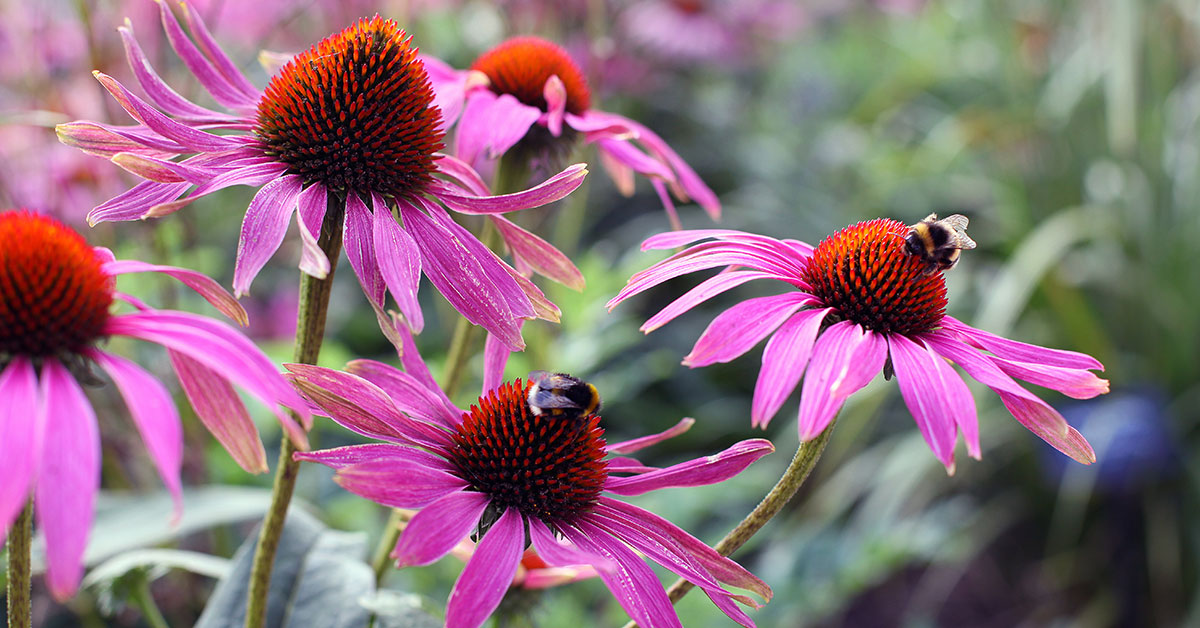

Welcome to our comprehensive guide on how to deadhead coneflowers, the vibrant and resilient perennials that grace our gardens with their stunning blooms. Deadheading, the process of removing spent flowers, is a simple yet crucial practice that not only enhances the aesthetic appeal of coneflowers but also promotes their overall health and encourages continuous blooming. Whether you are a seasoned gardener or a novice plant enthusiast, this article will equip you with the knowledge and techniques needed to successfully deadhead coneflowers, ensuring a long-lasting and vibrant display of these beloved garden favorites. So, grab your gardening tools and let’s dive into the world of coneflower care!
Should you deadhead your coneflowers?
Deadheading coneflowers is a common practice in gardening, and it can have several benefits for the plant and the overall garden aesthetics. Deadheading refers to the removal of spent or faded flowers from a plant. In the case of coneflowers (Echinacea), deadheading involves cutting off the dried flower heads. Here are some factors to consider when deciding whether or not to deadhead coneflowers:
- Prolonged blooming: Deadheading coneflowers encourages the plant to produce more flowers. By removing the spent blooms, you prevent the plant from diverting energy into seed production. This redirects the plant’s energy towards producing new flower buds, resulting in a prolonged blooming period throughout the growing season.
- Neat appearance: Deadheading coneflowers helps maintain a tidy and attractive appearance in the garden. The removal of faded flowers prevents the plant from looking messy and unkempt. This can be particularly important if you have coneflowers as a focal point or if you want a more manicured garden aesthetic.
- Preventing self-seeding: If you prefer to control the spread of coneflowers in your garden, deadheading is essential. Coneflowers are known for their ability to self-seed prolifically. By removing the spent flowers before they develop seeds, you can prevent the plant from dispersing seeds and potentially becoming invasive.
- Wildlife attraction: Coneflowers are highly attractive to pollinators, such as bees and butterflies. If you want to support pollinators in your garden, you may choose to leave some faded flower heads on the plant. The dried seed heads provide a food source for birds during the winter months. So, if you’re interested in wildlife conservation, you might consider leaving a few coneflower seed heads intact.
In summary, deadheading coneflowers is a personal choice that depends on your preferences and goals for your garden. If you prioritize prolonged blooming, a neat appearance, and preventing self-seeding, then deadheading is recommended. However, if you want to support wildlife and enjoy the aesthetic of dried seed heads, you may choose to leave some faded flowers on the plant.
When to deadhead coneflowers?
Deadheading coneflowers is an important task to promote continuous blooming and maintain the overall health of the plant. The timing for deadheading coneflowers depends on the specific variety and your desired outcome. Here are some general guidelines:
- Regular Deadheading: If you want to encourage continuous blooming, it is best to deadhead coneflowers regularly throughout the growing season. As soon as a flower begins to fade and the petals start to wither, you can remove the entire flower head. This will prevent the plant from diverting energy into seed production and instead encourage it to produce more blooms.
- Late Summer/Fall Deadheading: Towards the end of the growing season, you can allow some of the coneflower flower heads to remain on the plant. This will allow them to mature and produce seeds, which can attract birds to your garden. However, if you prefer a tidier appearance or want to prevent self-seeding, you can continue deadheading until the end of the season.
- Seed Collection: If you are interested in collecting coneflower seeds for propagation or sharing with others, you should allow some flower heads to fully mature on the plant. Once the petals have fallen off and the seed head turns brown, you can cut it off and collect the seeds. Make sure to store them in a cool, dry place for future use.
In summary, deadheading coneflowers can be done throughout the growing season to promote continuous blooming. However, towards the end of the season, you can choose to allow some flower heads to mature for seed production or for attracting birds to your garden.
How to deadhead coneflowers
Deadheading coneflowers is an essential task to promote continuous blooming and maintain the overall health and appearance of the plant. Here is a detailed, step-by-step guide on how to deadhead coneflowers:
- Timing: Deadheading should be done throughout the growing season, typically from late spring to early fall. It is best to deadhead coneflowers as soon as the flowers start to fade and before they form seed heads.
- Tools: Gather the necessary tools before starting the process. You will need a pair of clean, sharp pruning shears or scissors. Make sure they are sanitized to prevent the spread of diseases.
- Inspection: Examine the coneflower plant and identify the flowers that have started to fade or wilt. Look for flowers that have lost their vibrant color, petals that are drooping, or those that have turned brown.
- Positioning: Locate the base of the flower stem where it meets the main stem or the foliage. This is the point where you will make your cut.
- Cutting: Position the pruning shears or scissors just above a set of healthy leaves or a leaf node. Make a clean, angled cut about 1/4 inch above the node or leaves. This will encourage new growth and prevent any unsightly stubs.
- Disposal: Collect the cut flower heads and dispose of them properly. You can add them to your compost pile if they are disease-free, or discard them in the green waste bin.
- Repeat: Continue inspecting the coneflower plant regularly and repeat the deadheading process as needed. This will encourage the plant to produce more flowers and extend the blooming period.
- Final Cleanup: Once you have finished deadheading all the faded flowers, take a moment to remove any yellowing or damaged leaves from the plant. This will improve the overall appearance and health of the coneflower.
- Fertilization: After deadheading, consider applying a balanced, slow-release fertilizer to provide essential nutrients for the coneflower’s growth and blooming. Follow the manufacturer’s instructions for application rates and methods.
- Watering: Finally, give the coneflower plant a thorough watering to ensure it receives adequate moisture after the deadheading process. Water deeply at the base of the plant, avoiding wetting the foliage.
By following these steps, you can effectively deadhead coneflowers and promote continuous blooming throughout the growing season. Remember to maintain regular care, including watering, fertilizing, and monitoring for pests or diseases, to keep your coneflowers healthy and vibrant.
Caring for your flowers after deadheading
After deadheading coneflowers, there are a few care guidelines to follow:
- Timing: Deadheading should be done once the flowers have faded and started to wilt. This is typically in late summer or early fall.
- Tools: Use a pair of clean and sharp pruning shears or scissors to deadhead the coneflowers. Make sure to disinfect the tools before and after use to prevent the spread of diseases.
- Cutting Technique: Locate the spent flower stem just above the first set of healthy leaves or lateral bud. Cut the stem at a 45-degree angle, ensuring a clean cut without damaging the surrounding foliage.
- Removal: Collect the deadheaded flowers and dispose of them properly. This helps prevent the spread of diseases and pests that might be present on the spent flowers.
- Watering: After deadheading, water the coneflowers thoroughly to provide them with the moisture they need. This helps promote new growth and encourages the plant to produce more flowers.
- Fertilization: Apply a balanced, slow-release fertilizer around the base of the coneflowers after deadheading. This provides the plants with essential nutrients to support new growth and flower production.
- Mulching: Apply a layer of organic mulch around the base of the coneflowers to help retain moisture, suppress weeds, and regulate soil temperature. Avoid piling the mulch directly against the stems to prevent rotting.
- Maintenance: Regularly monitor the coneflowers for any signs of pests or diseases. Remove any damaged or diseased foliage promptly to prevent the spread of infections.
By following these care guidelines, you can help ensure the health and vitality of your coneflowers, promoting continuous blooming and a longer flowering season.