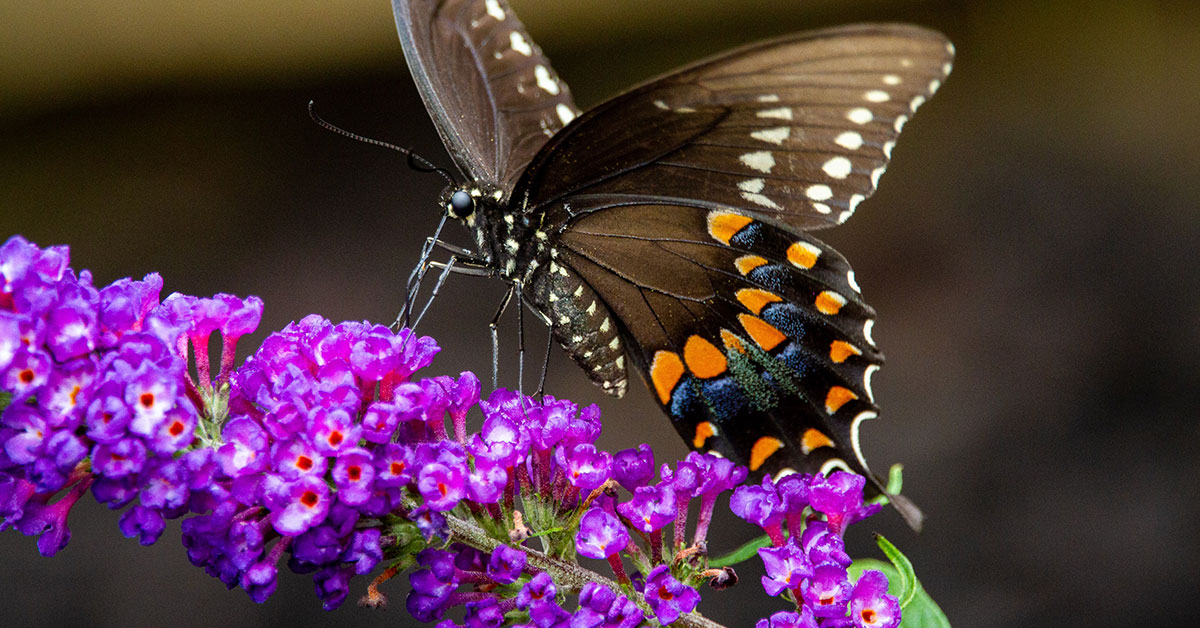

Welcome to our comprehensive guide on how to deadhead a butterfly bush, a vital practice for maintaining the health and beauty of this stunning flowering shrub. Deadheading refers to the removal of spent flowers, a technique that not only encourages the plant to produce more blooms but also helps to maintain its overall shape and vigor.
Butterfly bushes, scientifically known as Buddleja, are renowned for their ability to attract a variety of pollinators, particularly butterflies, with their vibrant and fragrant blossoms. By learning the art of deadheading, you will not only enhance the aesthetic appeal of your butterfly bush but also ensure its continued growth and ability to provide a haven for these enchanting creatures.
In this article, we will delve into the benefits of deadheading, the tools required, and the step-by-step process to effectively deadhead your butterfly bush, allowing it to flourish and enchant your garden for years to come.
Should you deadhead a butterfly bush?
Deadheading a butterfly bush, also known as Buddleja, is generally recommended for several reasons. Deadheading refers to the removal of spent flowers from a plant. Here is a detailed explanation of why deadheading a butterfly bush is beneficial:
- Promotes Continuous Blooming: Deadheading encourages the plant to produce more flowers. By removing the faded blooms, you prevent the plant from diverting energy into seed production. Instead, it will focus on producing new flower buds, resulting in a longer blooming period.
- Enhances Aesthetics: Removing the spent flowers improves the overall appearance of the butterfly bush. The faded blooms can be unsightly and may detract from the beauty of the plant. Deadheading keeps the plant looking neat and tidy, enhancing its visual appeal.
- Prevents Self-Seeding: Butterfly bushes are known for their ability to self-seed prolifically. If you allow the spent flowers to remain on the plant, they will develop seed pods, which can scatter seeds and lead to unwanted seedlings. Deadheading prevents self-seeding and helps maintain control over the plant’s spread.
- Reduces Disease and Pest Problems: Removing spent flowers can help prevent the development of diseases and pests. Faded blooms can attract pests and provide a breeding ground for fungal diseases. Deadheading reduces the risk of these issues, promoting a healthier plant.
It’s worth noting that some gardeners prefer to leave the spent flowers on the plant to provide food for birds or to allow the plant to self-seed. However, if you want to maintain a tidy appearance, prevent self-seeding, and promote continuous blooming, deadheading is recommended for butterfly bushes.
When to deadhead a butterfly bush?
The best time to deadhead a butterfly bush (Buddleja) is during the late summer or early fall. Deadheading refers to the removal of spent flowers to encourage new growth and prolong the blooming period of the plant.
How to deadhead a butterfly bush
Here’s a step-by-step guide on how to deadhead a butterfly bush:
- Timing: The best time to deadhead a butterfly bush is in late summer or early fall, after the plant has finished flowering. This will allow the plant to put its energy into producing new growth and preparing for winter.
- Gather your tools: You will need a pair of clean, sharp pruning shears or scissors. Make sure they are sanitized to prevent the spread of diseases.
- Identify spent flowers: Look for flowers that have faded, wilted, or turned brown. These are the ones you will be removing.
- Cut above the node: Locate the first set of healthy leaves below the spent flower cluster. Position your pruning shears just above this node, which is where the leaf meets the stem.
- Make the cut: Using a clean, sharp cut, snip off the spent flower cluster just above the node. Avoid cutting too close to the node, as this may damage the stem and inhibit new growth.
- Repeat the process: Continue inspecting the plant for more spent flowers and repeat the cutting process for each one. Deadheading regularly will encourage the butterfly bush to produce more blooms throughout the season.
- Dispose of the cuttings: Collect the cut flower clusters and dispose of them in a compost bin or green waste container. This will help prevent the spread of any diseases or pests that may be present.
- Clean up: Once you have finished deadheading, remove any fallen leaves or debris from around the base of the plant. This will help maintain good air circulation and reduce the risk of fungal diseases.
- Water and fertilize: After deadheading, give the butterfly bush a thorough watering to help it recover from the pruning process. You can also apply a balanced fertilizer to provide the plant with essential nutrients for healthy growth.
- Monitor for new growth: Keep an eye on the plant in the following weeks to observe new growth and the formation of new flower buds. If you notice any signs of disease or pest infestation, take appropriate measures to address the issue.
Remember, deadheading is not mandatory for butterfly bushes, but it can help promote more vigorous growth and extended blooming. Enjoy the process and the beauty of your well-maintained butterfly bush!
Care guide after you deadhead your butterfly bush
After deadheading a butterfly bush, there are a few care guidelines you can follow to ensure its continued health and blooming. Here are the detailed steps:
- Timing: Deadheading should be done after the flowers have faded and started to wither. This is typically done in late summer or early fall, depending on your climate.
- Tools: Prepare a pair of clean and sharp pruning shears or scissors. It’s important to use clean tools to prevent the spread of diseases.
- Sterilize: Before starting, sterilize your pruning tools by wiping them with rubbing alcohol or a solution of one part bleach to nine parts water. This helps prevent the transmission of any potential diseases.
- Prune: Identify the spent flower clusters on the butterfly bush. These are usually the ones that have turned brown or lost their vibrant color. Cut the flower clusters just above a set of healthy leaves or leaf nodes. Make a clean cut at a slight angle to allow water to run off easily.
- Remove debris: Collect and remove the dead flower clusters from the plant and the surrounding area. This helps prevent the accumulation of pests and diseases.
- Watering: After deadheading, water the butterfly bush thoroughly to provide it with adequate moisture. This helps the plant recover and promotes new growth.
- Fertilization: Apply a balanced slow-release fertilizer around the base of the plant. Follow the package instructions for the appropriate amount and frequency of application. Fertilizing after deadheading helps provide the necessary nutrients for new growth and future blooms.
- Mulching: Apply a layer of organic mulch, such as wood chips or compost, around the base of the plant. Mulching helps retain moisture, suppresses weed growth, and insulates the roots during extreme temperatures.
- Regular care: Continue to provide regular care for your butterfly bush, including watering when the soil feels dry, monitoring for pests or diseases, and removing any dead or damaged branches throughout the growing season.
By following these care guidelines, your butterfly bush should recover well from deadheading and continue to produce beautiful blooms.