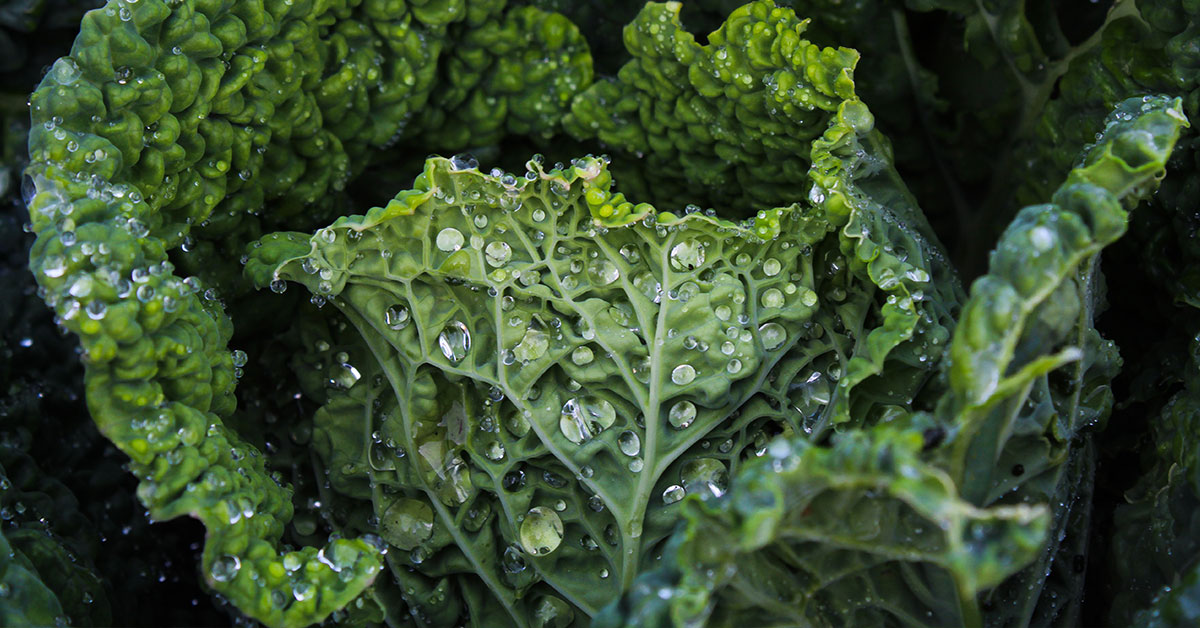

Siberian kale, also known as Russian kale or Siberian cabbage, is a leafy green vegetable that has gained popularity among gardeners and health enthusiasts alike. This hardy and versatile plant is a member of the brassica family, which includes other nutrient-dense vegetables like broccoli and Brussels sprouts. Siberian kale is characterized by its dark green, frilly leaves and a mild, slightly sweet flavor. Not only is it a nutritious addition to any diet, but it is also relatively easy to grow, making it a perfect choice for both beginner and experienced gardeners.
In this article, we will explore the various benefits of Siberian kale, as well as provide practical tips and techniques for cultivating and caring for this exceptional vegetable in your own garden. Whether you are looking to enhance your culinary repertoire or simply want to enjoy the satisfaction of growing your own produce, Siberian kale is a fantastic choice that will undoubtedly thrive in your garden.
What is a Siberian Kale?
Siberian kale, also known as Russian kale or Siberian dwarf kale, is a popular variety of kale that belongs to the Brassica family. It is a leafy green vegetable that is highly nutritious and widely cultivated for its tender leaves and delicious taste. Siberian kale has a distinctive appearance with its dark green leaves that are heavily frilled or ruffled, resembling a curly texture. The leaves are broad and can grow up to 12 inches in length, forming a loose rosette-like shape.
The plant itself can reach a height of around 2 to 3 feet. One of the remarkable characteristics of Siberian kale is its cold-hardiness. It is well-suited for growing in colder climates and can withstand frost and freezing temperatures better than other kale varieties. This makes it an excellent choice for gardeners in regions with shorter growing seasons. In terms of flavor, Siberian kale has a mild and slightly sweet taste compared to other kale varieties.
The leaves are tender and can be enjoyed raw in salads or cooked in various dishes, such as stir-fries, soups, stews, and sautés. Some people also use Siberian kale as an alternative to spinach in recipes. From a nutritional standpoint, Siberian kale is a powerhouse of vitamins and minerals. It is packed with vitamins A, C, and K, as well as folate, calcium, iron, and potassium. Additionally, it contains antioxidants and phytonutrients that contribute to its health benefits.
When it comes to cultivation, Siberian kale is relatively easy to grow. It prefers full sun but can tolerate partial shade. The soil should be well-draining and rich in organic matter. Regular watering is necessary to keep the soil moist, but overwatering should be avoided. It is a biennial plant, meaning it completes its life cycle within two years. Siberian kale can be harvested by cutting the outer leaves as needed, allowing the inner leaves to continue growing.
Regular harvesting promotes new growth and ensures a continuous supply of fresh leaves. The younger leaves are typically more tender and flavorful. Overall, Siberian kale is a versatile and nutritious vegetable that can be a valuable addition to any garden. Its cold-hardiness, mild flavor and abundance of health benefits make it a favorite among gardeners and health-conscious individuals alike.
What does Siberian Kale taste like?
Siberian Kale, also known as Russian Kale or Ragged Jack Kale, is a hearty and versatile leafy green that offers a unique and delightful taste. The flavor of Siberian Kale can be described as earthy, slightly bitter, and peppery.
When consumed raw, Siberian Kale leaves have a robust taste with a mild bitterness akin to other kale varieties. It has a distinct vegetal flavor that is often accompanied by a hint of sweetness. The leaves are tender but have a slightly chewy texture.
Cooking Siberian Kale brings out its earthy and nutty undertones while reducing the bitterness. The leaves become tender and more delicate, making it a great addition to stir-fries, soups, stews, and sautés. The flavor of cooked Siberian Kale becomes milder, allowing it to blend well with other ingredients while maintaining its unique taste.
Many people find the taste of Siberian Kale to be less intense and more palatable compared to other kale varieties. Its peppery notes add a pleasant kick to dishes, making it a favorite among those who enjoy a touch of spice in their meals.
Overall, Siberian Kale offers a rich and flavorful taste that can be enjoyed in various culinary preparations. Whether consumed raw or cooked, its unique combination of earthiness, bitterness, and peppery notes adds depth and character to any dish.
How to start from seed
Starting Siberian kale from seeds is a relatively simple process. Here’s a step-by-step guide to help you:
- Select your seeds: Purchase high-quality Siberian kale seeds from a reputable supplier or collect them from a previous crop. Ensure the seeds are fresh and haven’t expired.
- Determine the planting time: Siberian kale is a cool-season crop, so calculate the ideal planting time based on your location and local climate. It’s generally recommended to start seeds indoors 4-6 weeks before the last expected frost date in your area.
- Prepare the containers: Use seed trays, pots, or any suitable containers with drainage holes at the bottom. Clean the containers thoroughly and fill them with a well-draining seed-starting mix or a blend of potting soil and compost. Moisten the soil slightly before planting.
- Plant the seeds: Sow the Siberian kale seeds evenly on the soil surface, following the packet instructions for seed depth and spacing. Generally, kale seeds are sown about ¼ inch deep and 1 inch apart. Gently press the seeds into the soil, ensuring good seed-to-soil contact.
- Provide optimal conditions: Place the containers in a warm and well-lit area, such as a sunny windowsill or under grow lights. Siberian kale prefers temperatures between 60-75°F (15-24°C) for germination. Maintain a consistent temperature and ensure the soil remains evenly moist but not waterlogged.
- Germination and seedling care: Kale seeds usually germinate within 7-14 days. Once the seedlings emerge, provide them with bright light for at least 12-16 hours a day. If using artificial lights, keep them 2-4 inches above the seedlings and adjust the height as they grow. Water the seedlings regularly, keeping the soil moist but not saturated.
- Harden off the seedlings: When the seedlings are around 3-4 inches tall and the outdoor temperatures are consistently above freezing, begin the hardening-off process. Gradually expose the seedlings to outdoor conditions by placing them outside for a few hours each day, gradually increasing the duration over a week or two. This helps the seedlings acclimate to the outdoor environment.
- Transplanting: After the last frost date has passed and the seedlings are fully hardened off, they can be transplanted into the garden. Choose a sunny location with fertile, well-draining soil. Space the plants about 12-18 inches apart to allow for proper growth.
- Care and maintenance: Ensure the plants receive adequate water, about an inch per week, either through rainfall or supplemental irrigation. Apply a layer of mulch around the plants to retain moisture, suppress weeds, and regulate soil temperature. Regularly monitor for pests and diseases, and take appropriate action if necessary.
- Harvesting: Siberian kale is typically ready for harvest within 55-75 days from transplanting. Harvest the outer leaves first, leaving the central growing point intact to allow for continuous growth. Regular harvesting promotes new leaf production and extends the harvest period.
By following these steps, you should be able to successfully start and grow Siberian kale in your garden. Happy gardening!
Planting and growing Siberian Kale
Choose a suitable location: Siberian kale prefers full sun but can tolerate partial shade. Make sure the area has well-draining soil with a pH between 6.0 and 7.5.
Prepare the soil: Clear the planting area of any weeds or debris. Loosen the soil using a garden fork or tiller, incorporating organic matter like compost or aged manure to improve fertility and drainage.
Sow the seeds: Directly sow the Siberian kale seeds into the prepared soil. Plant the seeds about ¼ to ½ inch deep, spacing them 12-18 inches apart. You can also start the seeds indoors 4-6 weeks before the last frost and transplant the seedlings when they have grown a few inches tall.
Watering: Keep the soil consistently moist but not waterlogged. Water the plants deeply once or twice a week, depending on the weather conditions. Avoid overhead watering, as it can increase the risk of fungal diseases.
Fertilization: Apply a balanced, organic fertilizer or compost around the base of the plants every 4-6 weeks to provide essential nutrients.
Thinning and transplanting: If you have sown the seeds densely, thin out the seedlings when they have grown a few inches tall. Transplant the extra seedlings to another location or use them in salads or stir-fries.
Mulching: Apply a layer of organic mulch, such as straw or wood chips, around the plants to conserve moisture, suppress weeds, and regulate soil temperature.
Pests and diseases: Monitor the plants for common pests like aphids, caterpillars, and flea beetles. Use organic pest control methods, like hand-picking or spraying with insecticidal soap, if necessary. Siberian kale is generally resistant to many diseases but keep an eye out for signs of fungal infections or rot.
Harvesting: Siberian kale is typically ready to harvest around 55-75 days after sowing, depending on the variety and growing conditions. Harvest the outer leaves by cutting them at the base, allowing the central leaves to continue growing. Regular harvesting will promote continuous growth and a longer harvest period.
Winter care: Siberian kale is known for its cold hardiness and can withstand temperatures down to 10°F (-12°C). In colder regions, you can leave the plants in the ground and continue harvesting throughout winter. In areas with severe winters, you can cover the plants with row covers or mulch to provide some protection.
By following these steps, you should have a successful Siberian kale garden. Enjoy the nutritious and delicious harvest!
When to harvest
The best time to harvest is when the leaves are young and tender, usually around 50-60 days after planting. It is important to harvest the leaves before they become tough and bitter, as older leaves can be less enjoyable to eat. You can start harvesting individual leaves as soon as they reach a usable size, or you can cut the entire plant about 2 inches above the soil level for a more substantial harvest. Remember to leave a few leaves on the plant for it to continue growing and producing more leaves.