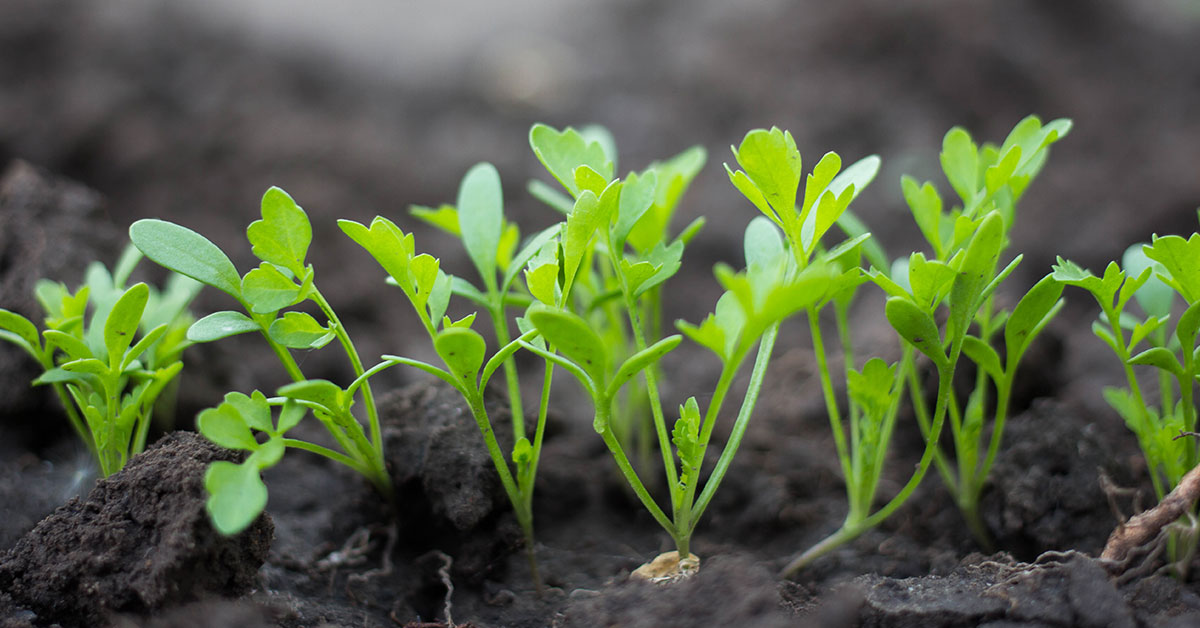

Selvatica Arugula is a unique and versatile green that is sure to elevate your garden and your plate. Known for its peppery and slightly nutty taste, Selvatica Arugula is a popular choice among gardeners and chefs alike.
From its origins to its cultivation and care, we will delve into all aspects of growing this vibrant and delicious plant. So, whether you’re a seasoned gardener or a beginner looking to expand your green thumb, get ready to embark on an exciting journey with Selvatica Arugula. Let’s dig in!
What is a Selvatica Arugula?
Selvatica Arugula, also known as wild arugula or Diplotaxis tenuifolia, is a type of arugula that is known for its strong and peppery flavor. It is native to the Mediterranean region and is commonly found growing wild in various parts of Europe. Unlike the more common cultivated arugula, selvatica arugula has deeply lobed and serrated leaves that are longer and narrower in shape. The leaves are dark green in color and have a slightly hairy texture.
The plant can grow up to 1.5 feet tall and produces small, white flowers when in bloom. Selvatica arugula is favored by many gardeners and chefs for its robust flavor. Its leaves have a distinct tangy and spicy taste, making it a popular ingredient in salads, sandwiches, and various culinary dishes. It adds a unique kick to any meal and pairs well with other ingredients like cheese, tomatoes, and nuts.
When it comes to cultivation, selvatica arugula is relatively easy to grow. It thrives in full sun but can tolerate some shade. It prefers well-drained soil and regular watering to keep the soil evenly moist. The plant is a fast grower and can be harvested in as little as 4-6 weeks after sowing the seeds. Regular harvesting encourages new growth and prevents the plant from flowering and turning bitter.
In terms of nutritional value, selvatica arugula is rich in vitamins A, C, and K, as well as calcium, iron, and folate. It is low in calories and carbohydrates, making it a healthy addition to any diet. Overall, Selvatica arugula is a flavorful and versatile green that can bring a punch of taste to your culinary creations. Whether you’re a gardener or a food lover, this wild arugula variety is definitely worth trying.
What does Selvatica Arugula taste like?
Selvatica arugula, also known as wild arugula, has a distinct and peppery taste that sets it apart from other varieties of arugula. Its flavor is more intense and slightly bitter compared to the milder, cultivated arugula.
When you take a bite of selvatica arugula, you will immediately notice its sharp and tangy notes. The peppery taste is similar to that of mustard greens or radishes, giving it a unique and zesty quality. It can leave a slightly bitter aftertaste on your palate, which adds depth and complexity to its flavor profile.
The intensity of the selvatica arugula’s taste can vary depending on its maturity and growing conditions. Young leaves tend to be more tender and less bitter, while older leaves may have a stronger and more robust flavor.
Overall, selvatica arugula offers a bold and lively taste experience, making it a popular choice for those who enjoy the distinctive flavors of peppery greens in their salads, sandwiches, or as a garnish in various dishes.
How to start from seed
To start growing Selvatica arugula, you can follow these simple steps:
- Choose the right time: Arugula is a cool-season crop that prefers temperatures between 50-65°F (10-18°C). It can be sown in early spring or late summer for a fall harvest.
- Select a suitable location: Arugula prefers full sun but can tolerate partial shade. Ensure that the soil is well-draining, fertile, and rich in organic matter. If your soil is heavy or clayey, consider amending it with compost or well-rotted manure to improve drainage.
- Prepare the soil: Clear the area of weeds, rocks, and debris. Loosen the soil to a depth of about 6-8 inches (15-20 cm) using a garden fork or tiller. Rake the soil to create a level surface.
- Sow the seeds: Arugula can be directly sown in the garden bed or started indoors and later transplanted. If direct sowing, sprinkle the seeds thinly and evenly over the prepared soil, around 1/4 inch (6 mm) deep. Space the seeds or thin the seedlings to about 6-8 inches (15-20 cm) apart to allow proper growth.
- Watering: After sowing, gently water the soil to ensure good seed-to-soil contact. Keep the soil consistently moist but not waterlogged throughout the germination and growth period. Avoid overhead watering, as it can increase the risk of fungal diseases.
- Germination and care: Arugula seeds typically germinate within 7-14 days. Once the seedlings emerge, thin them if needed, leaving the strongest ones. Apply a layer of organic mulch around the plants to conserve moisture and suppress weed growth.
- Fertilization: Arugula doesn’t require heavy fertilization but benefits from a balanced organic fertilizer application. Apply a slow-release fertilizer or compost around the plants according to the package instructions. Alternatively, you can side-dress the plants with compost or organic matter halfway through the growing season.
- Harvesting: Selvatica arugula is known for its large, tender leaves. You can start harvesting the outer leaves when they reach a desirable size, usually around 4-6 weeks after sowing. Cut the leaves close to the base of the plant, leaving the inner leaves to continue growing. Regular harvesting promotes new growth and prevents the plants from bolting (flowering).
- Pests and diseases: Arugula is relatively pest-resistant but can occasionally be attacked by flea beetles or aphids. Monitor your plants regularly and take appropriate measures if you notice any infestations. In case of diseases like powdery mildew, ensure good air circulation and avoid overhead watering.
By following these steps, you’ll be able to start and maintain a healthy crop of Selvatica arugula. Enjoy the process and the delicious harvest!
Planting and growing Selvatica Arugula
To plant and grow Selvatica Arugula, follow these steps:
- Choose the right location: Select a spot in your garden that receives full sun to partial shade. Arugula prefers cooler temperatures, so avoid planting it in hot, direct sunlight.
- Prepare the soil: Arugula grows well in well-draining soil that is rich in organic matter. Amend the soil with compost or aged manure to improve its fertility and drainage.
- Sow the seeds: Arugula can be directly sown into the garden bed or started indoors and transplanted later. If starting indoors, sow the seeds in seed trays or pots about 4-6 weeks before the last frost date. If sowing directly outside, wait until after the last frost date has passed. Plant the seeds about ¼ inch deep and space them 2-3 inches apart.
- Watering and maintenance: Keep the soil consistently moist but not waterlogged. Arugula prefers regular watering, especially during dry spells. Water deeply and frequently to promote healthy growth. Mulching around the plants can help retain moisture and suppress weed growth.
- Thin the seedlings: Once the arugula seedlings have sprouted and developed their first true leaves, thin them out to give each plant enough space to grow. Space the plants about 6-8 inches apart to allow for proper air circulation and prevent overcrowding.
- Fertilization: Arugula is not a heavy feeder, but you can apply a balanced organic fertilizer once or twice during the growing season to provide necessary nutrients. Avoid over-fertilizing as it can lead to excessive leaf growth and a bitter taste.
- Harvesting: Arugula leaves can be harvested once they reach a desirable size, usually around 4-6 weeks after sowing. You can either harvest the outer leaves individually or cut the whole plant near the base. Regular harvesting will encourage new growth and extend the harvest period.
- Pests and diseases: Arugula is generally resistant to most pests and diseases. However, watch out for flea beetles, slugs, and snails. To deter them, use organic pest control methods like row covers, diatomaceous earth, or beer traps.
- Succession planting: To have a continuous supply of arugula, consider succession planting. Sow new seeds every 2-3 weeks to ensure a steady harvest throughout the growing season.
By following these steps, you should be able to successfully plant and grow Selvatica Arugula in your garden. Enjoy the fresh and peppery flavors of this nutritious green!
When to harvest
The best time to harvest Selvatica arugula is when the leaves are young and tender, usually around 30-40 days after sowing the seeds. The leaves should be about 4-6 inches long and have a vibrant green color. It is important to harvest the leaves before they become too mature and start to develop a bitter taste. Regularly harvesting the outer leaves while allowing the inner leaves to continue growing will provide a continuous supply of fresh arugula throughout the growing season.