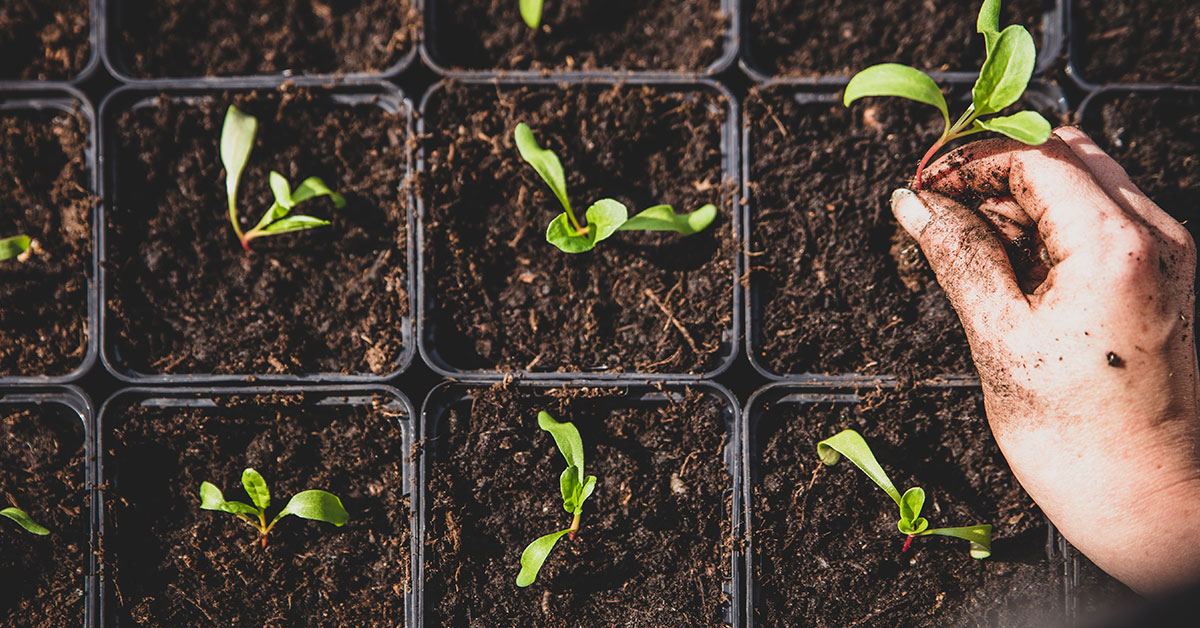

Ruby Red Chard, belonging to the beet family, is known for its striking crimson stems and dark green leaves. Making it a visual delight in any garden, but its appeal extends far beyond its aesthetics. Whether you are a seasoned gardener or a novice plant enthusiast, you will find immense joy in growing and cultivating this stunning leafy vegetable.
Packed with vitamins, minerals, and antioxidants, this leafy green is not only a nutritious addition to your diet but also a versatile ingredient that can be enjoyed in salads, stir-fries, and even smoothies. In this comprehensive guide, we will explore everything you need to know to successfully grow, care for, and harvest Ruby Red Chard, ensuring a bountiful and rewarding experience in your garden.
What is a Ruby Red Chard?
Ruby Red Chard, also known as Rhubarb Chard or Ruby Chard, is a vibrant and attractive leafy vegetable that belongs to the beet family. It is a popular variety of Swiss chard, known for its deep red or maroon-colored stems and veins, contrasting beautifully with its dark green, glossy leaves. The leaves of Ruby Red Chard are large and slightly crinkled, resembling the shape of spinach leaves.
They have a tender texture and a mild, earthy flavor, similar to that of beet greens. The stems, on the other hand, are thick, crunchy, and succulent, with a slightly sweeter taste than the leaves. One of the key features of Ruby Red Chard is its striking coloration. The deep red stems and veins create a visually appealing contrast against the dark green foliage.
This vibrant appearance adds a pop of color to any garden or dish, making it a favorite among home gardeners and chefs alike. In terms of cultivation, Ruby Red Chard is relatively easy to grow and is suitable for both garden beds and containers. It thrives in cool weather conditions and can tolerate some shade, although it prefers full sun for optimal growth. Regular watering and well-drained soil are essential for its development.
Harvesting Ruby Red Chard can be done throughout its growing season, starting when the leaves are large enough to be picked. It is recommended to harvest the outer leaves first, allowing the inner ones to continue growing. By doing so, you can enjoy a continuous supply of fresh and nutritious chard throughout the season.
Ruby Red Chard is not only visually appealing but also highly nutritious. It is packed with vitamins A, C, and K, as well as minerals like potassium, magnesium, and iron. It can be enjoyed in various culinary preparations, including sautéing, steaming, or adding it to salads, soups, and stir-fries.
Overall, Ruby Red Chard is a delightful addition to any garden, offering both aesthetic appeal and a nutritious harvest. Its vibrant colors and versatile culinary uses make it a popular choice among gardeners and food enthusiasts.
What does Ruby Red Chard taste like?
Ruby Red Chard has a unique and delightful taste that can be described as both earthy and slightly sweet. Its flavor is more mellow compared to other leafy greens like kale or spinach. The leaves have a tender texture and a mild bitterness that is not overpowering. When cooked or sautéed, the chard leaves become tender and develop a rich, savory flavor. The stalks of the Ruby Red Chard are crisp and have a slight hint of beet-like sweetness, adding a pleasant crunch to any dish. Overall, Ruby Red Chard offers a delicious combination of earthiness, sweetness, and a touch of bitterness, making it a versatile and flavorful addition to various culinary creations.
How to start from seed
To start growing Ruby Red Chard, also known as Swiss chard, you have a couple of options: starting from seeds or from seedlings. Here’s a step-by-step guide for both methods:
Starting from seeds:
- Choose a suitable location: Ruby Red Chard grows best in a sunny spot, although it can tolerate some light shade. Ensure the soil is well-drained and rich in organic matter.
- Prepare the soil: Remove any weeds or debris from the planting area. Loosen the soil using a garden fork or tiller and mix in compost or well-rotted manure to improve fertility.
- Sow the seeds: Follow the packet instructions for the recommended spacing and depth. Typically, chard seeds should be sown about ½ to 1 inch deep and 12-18 inches apart. You can sow them in rows or broadcast them evenly across the bed.
- Watering: After sowing, water the area gently but thoroughly to ensure the soil is evenly moist. Avoid overwatering, as this can lead to seed rot or fungal diseases.
- Germination and thinning: Chard seeds usually germinate within 7-14 days. Once the seedlings are about 2 inches tall, thin them out by removing the weaker ones, leaving the strongest seedlings about 6-8 inches apart.
- Care and maintenance: Keep the soil consistently moist but not waterlogged. Weed regularly to prevent competition for nutrients. Apply a layer of mulch to help retain moisture and suppress weed growth.
- Harvesting: Ruby Red Chard can be harvested when the leaves are large enough to use, typically around 30-60 days after sowing. You can harvest individual outer leaves or cut the entire plant about 2 inches above the soil level, allowing it to regrow for multiple harvests.
Starting from seedlings:
- Purchase or grow seedlings: Visit a local nursery or garden center to purchase Ruby Red Chard seedlings, or start your own indoors 4-6 weeks before the last frost date in your area.
- Prepare the planting area: Choose a suitable location as mentioned earlier and prepare the soil by removing weeds and adding organic matter.
- Plant the seedlings: Dig a hole slightly larger than the root ball of the seedling. Place the seedling in the hole, making sure the top of the root ball is level with the soil surface. Space the seedlings about 6-8 inches apart.
- Watering and care: After planting, water the seedlings thoroughly to help them establish. Continue to water regularly, keeping the soil consistently moist but not waterlogged. Apply mulch to conserve moisture and deter weeds.
- Harvesting: Once the seedlings are well-established, you can start harvesting the outer leaves when they reach an edible size.
Remember to regularly monitor your chard plants for pests or diseases and take appropriate action if needed. Enjoy your homegrown Ruby Red Chard in salads, stir-fries, or as a nutritious side dish!
Planting and growing Ruby Red Chard
1. Choose a suitable planting location: Ruby Red Chard prefers a sunny location with well-drained soil. Make sure there is enough space for the plants to grow and spread.
- Prepare the soil: Before planting, prepare the soil by removing any weeds or debris. Loosen the soil to a depth of about 8-10 inches and mix in some organic compost or well-rotted manure to improve fertility and drainage.
- Start seeds indoors (optional): If you want an early start, you can start Ruby Red Chard seeds indoors 4-6 weeks before the last frost date. Plant the seeds in seed trays or small pots filled with seed starting mix. Keep them in a warm and well-lit area until they germinate.
- Direct sowing: Alternatively, you can directly sow the seeds outdoors once the soil has warmed up and all danger of frost has passed. Sow the seeds about ½ inch deep and 1 inch apart in rows spaced 12-18 inches apart.
- Watering: Keep the soil consistently moist but not waterlogged. Water the plants deeply at least once a week, more frequently during hot and dry periods. Avoid overhead watering, as it can promote disease.
- Thinning: If you directly sowed the seeds, thin the seedlings once they reach a height of 2-3 inches. Space them about 6-10 inches apart to allow enough room for the plants to grow.
- Fertilizing: Ruby Red Chard generally doesn’t require heavy fertilization if the soil is already rich in organic matter. However, you can apply a balanced organic fertilizer or compost tea once a month to promote healthy growth.
- Mulching: Apply a layer of organic mulch around the plants to help retain moisture, suppress weed growth, and maintain a more even soil temperature.
- Harvesting: Ruby Red Chard leaves can be harvested when they reach a usable size, typically around 6-8 inches long. Cut the outer leaves at the base, leaving the inner leaves to continue growing. Regular harvesting encourages the plant to produce more leaves.
- Pests and diseases: Keep an eye out for common pests like aphids, slugs, and leaf miners. Inspect the plants regularly and take appropriate measures such as handpicking, using insecticidal soap, or applying organic pest control methods. Fungal diseases like downy mildew and leaf spot can also occur, so ensure good air circulation around the plants and avoid overhead watering.
By following these steps, you should be able to plant and grow Ruby Red Chard successfully. Enjoy the vibrant and nutritious harvest!
When to harvest
The best time to harvest Ruby Red Chard is when the leaves reach a mature size, usually around 8-10 inches in length. This is typically around 60-70 days after planting. However, you can also start harvesting the outer leaves of the plant when they are young and tender, around 4-6 inches in length. Harvesting the outer leaves regularly will encourage new growth and prolong the harvest period.