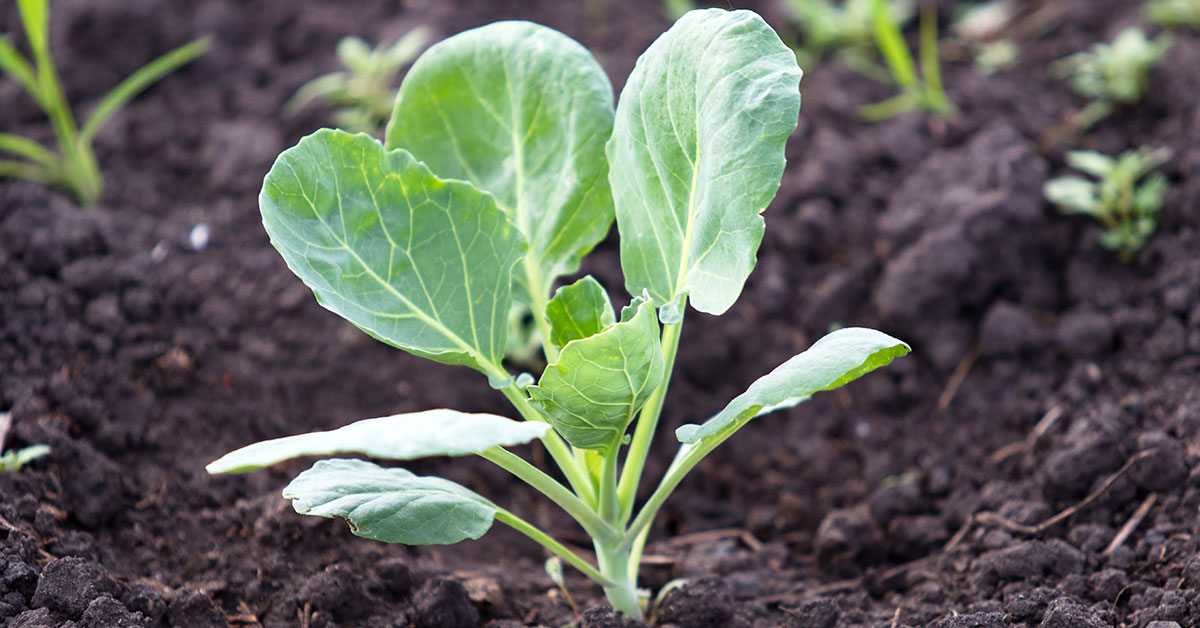

If you’re looking to add a touch of royal elegance to your vegetable patch, then look no further than the Royal Marvel Brussels Sprout. This majestic and sought-after variety of Brussels sprouts is known for its exceptional taste, compact size, and beautiful appearance. With its vibrant green color and tightly packed leaves, the Royal Marvel Brussels Sprout is a true showstopper in any home garden.
Whether you’re a seasoned gardener or just starting out, this article will guide you through everything you need to know about growing, caring for, and harvesting these regal vegetables. Get ready to elevate your gardening game and enjoy the bountiful rewards of cultivating the Royal Marvel Brussels Sprout.
What is a Royal Marvel Brussels Sprout?
The Royal Marvel Brussels Sprout is a unique and popular variety of Brussels sprouts that is highly esteemed by gardeners and chefs alike. It is known for its exceptional flavor, compact size, and attractive appearance. The plant itself typically grows to a height of around 2 to 3 feet, making it suitable for both small and large gardens.
The compact nature of the Royal Marvel Brussels Sprout makes it an excellent choice for those with limited space. The plant forms a sturdy central stalk with multiple side shoots, each producing a cluster of sprouts. The sprouts themselves are small, round, and tightly packed, measuring about 1 to 1.5 inches in diameter. They have a vibrant green color and a firm texture.
When cooked, they offer a delicious and slightly sweet flavor, with a mild nuttiness that is characteristic of Brussels sprouts. In terms of cultivation, the Royal Marvel Brussels Sprout is a hardy variety that can tolerate cooler temperatures, making it suitable for growing in various climates. It thrives in fertile, well-drained soil and requires regular watering to maintain consistent moisture levels.
To harvest the sprouts, it is best to start from the bottom of the plant and work your way up, picking the sprouts when they are firm and fully formed. This allows the remaining sprouts on the upper part of the plant to continue growing and ripening. The Royal Marvel Brussels Sprout is highly versatile in the kitchen and can be enjoyed in various ways. They can be steamed, boiled, roasted, or sautéed. They make a delightful addition to stir-fries, salads, side dishes, or even as a standalone vegetable.
Overall, the Royal Marvel Brussels Sprout is a prized variety that delivers both visual appeal and exceptional flavor. Its compact size, resilience, and adaptability make it a favorite among gardeners, while its delicious taste and versatility in the kitchen make it a sought-after vegetable for cooking enthusiasts.
What does Royal Marvel Brussels Sprout taste like?
The taste of a Royal Marvel Brussels Sprout can be described as mild and slightly sweet with a hint of nuttiness. When cooked properly, they have a tender and delicate texture. The flavor is often described as earthy and savory, with subtle notes of cabbage and broccoli. These sprouts have a pleasant balance between bitterness and sweetness, making them a versatile and enjoyable vegetable to incorporate into various recipes.
How to start from seed
To start growing Royal Marvel Brussels sprouts, follow these steps:
- Seed Selection: Choose high-quality Royal Marvel Brussels sprout seeds from a reputable supplier or garden center. Look for fresh seeds that have a high germination rate.
- Timing: Brussels sprouts are a cool-season crop, so it’s best to start them indoors about 6-8 weeks before the last frost date in your area. This will give them enough time to establish before transplanting them outdoors.
- Containers: Fill seed trays or small pots with a well-draining seed starting mix. Make sure the containers have drainage holes at the bottom.
- Sowing Seeds: Sow the Brussels sprout seeds about ¼ to ½ inch deep in the seed starting mix. Sow one seed per cell or pot to avoid overcrowding. Gently pat down the soil after sowing.
- Watering: Moisten the soil with a gentle spray of water, ensuring it is evenly moist but not waterlogged. Avoid overwatering, as it can lead to damping off disease.
- Germination: Place the seed trays or pots in a warm area with a temperature of around 70°F (21°C). Cover the containers with a plastic dome or plastic wrap to create a greenhouse effect, which helps retain moisture. Germination usually takes around 7-10 days.
- Lighting: After germination, remove the plastic cover and place the seedlings in a location with bright, indirect light. If you don’t have access to natural sunlight, you can use fluorescent grow lights positioned a few inches above the seedlings.
- Transplanting: When the seedlings have developed their first set of true leaves and are about 4-6 inches tall, they are ready to be transplanted outdoors. Harden them off by gradually exposing them to outdoor conditions over a week.
- Outdoor Planting: Choose a sunny location in your garden with well-draining soil. Brussels sprouts prefer fertile soil rich in organic matter. Dig a hole slightly larger than the root ball of the seedling and gently place it in the hole. Space the plants about 18-24 inches apart to allow adequate air circulation.
- Soil and Mulching: Amend the soil with compost or well-rotted manure before planting. After planting, apply a layer of organic mulch around the base of the plants to help retain moisture and suppress weed growth.
- Care: Water the plants deeply and regularly, especially during dry periods. Keep the soil consistently moist but not waterlogged. Fertilize every 3-4 weeks with a balanced organic fertilizer, following the manufacturer’s instructions.
- Support: As the plants grow taller, they may need support. Install stakes or a cage system around the plants to prevent them from toppling over in windy conditions.
- Pest and Disease Control: Brussels sprouts can be susceptible to pest attacks, such as aphids, caterpillars, and cabbage loopers. Monitor the plants regularly and take appropriate measures, such as handpicking pests or using organic pest control methods. Keep an eye out for common diseases like clubroot and powdery mildew and take necessary precautions.
- Harvesting: Brussels sprouts mature at the bottom of the stalk first. Begin harvesting when the sprouts reach about 1-2 inches in diameter by snapping them off the stalk with a gentle twist. Continue harvesting from the bottom up as the sprouts continue to mature.
Following these steps should help you successfully start and grow Royal Marvel Brussels sprouts, providing you with a delicious and rewarding harvest.
Planting and growing Royal Marvel Brussels Sprout
Planting and growing Royal Marvel Brussels sprouts involves several steps. Here is a guide to help you:
- Timing: Brussels sprouts are a cool-season crop, so you’ll want to start them indoors about 6-8 weeks before the last frost date in your area. Alternatively, you can sow the seeds directly in the garden about 10-12 weeks before the first fall frost.
- Starting seeds: Fill seed trays or small pots with a well-draining seed-starting mix. Sow the seeds about ¼ inch deep, spacing them about 2 inches apart. Water gently and keep the soil consistently moist.
- Seedling care: Place the seed trays or pots in a warm and brightly lit area, such as near a south-facing window or under grow lights. Maintain a temperature of around 70°F (21°C). Once the seedlings have emerged, thin them to one strong seedling per pot or cell.
- Transplanting: When the seedlings have developed a few sets of true leaves and the danger of frost has passed, transplant them into the garden. Choose a sunny location with well-draining soil. Space the plants about 18-24 inches apart, allowing enough room for the mature plants to grow.
- Soil preparation: Before transplanting, prepare the soil by removing any weeds and incorporating organic matter such as compost or well-rotted manure. Brussels sprouts prefer a fertile soil with a pH between 6.0 and 7.5.
- Planting: Dig a hole slightly larger than the root ball of each seedling. Gently place the seedling in the hole, making sure the soil level matches the level of the stem. Backfill the hole and firmly press the soil around the base of the plant.
- Watering: Keep the soil consistently moist but not waterlogged throughout the growing season. Water deeply and regularly, especially during dry spells. Avoid overhead watering, as it may encourage foliar diseases.
- Fertilizing: Brussels sprouts benefit from regular feeding. Apply a balanced slow-release fertilizer or side dress with compost or well-rotted manure every 4-6 weeks. Follow the package instructions for dosage recommendations.
- Mulching: Apply a layer of organic mulch around the plants to help conserve moisture, suppress weeds, and regulate soil temperature.
- Pest and disease management: Keep an eye out for common pests like aphids, cabbage loopers, and cabbage worms. Use organic pest control methods such as handpicking, insecticidal soaps, or neem oil if necessary. Monitor for diseases like powdery mildew and remove affected leaves promptly.
- Harvesting: Royal Marvel Brussels sprouts mature in about 90-100 days from transplanting. Harvest the sprouts when they have reached a desirable size, usually about 1-2 inches in diameter, by twisting or cutting them off the stalk from the bottom up. Harvesting can continue as long as the sprouts remain firm and green.
Following these steps should help you successfully plant and grow Royal Marvel Brussels sprouts in your garden. Happy gardening!
When to harvest
The best time to harvest Royal Marvel Brussels sprouts is when the sprouts are firm and have reached their full size. Typically, this occurs around 90 to 100 days after planting. It is recommended to start checking the sprouts for maturity around late fall or early winter, as they tend to be more flavorful after experiencing a light frost. Harvesting can continue as long as the sprouts remain firm and green. It’s important to note that the lower sprouts on the stem mature first, so you can start by picking those and allow the upper ones to continue growing.