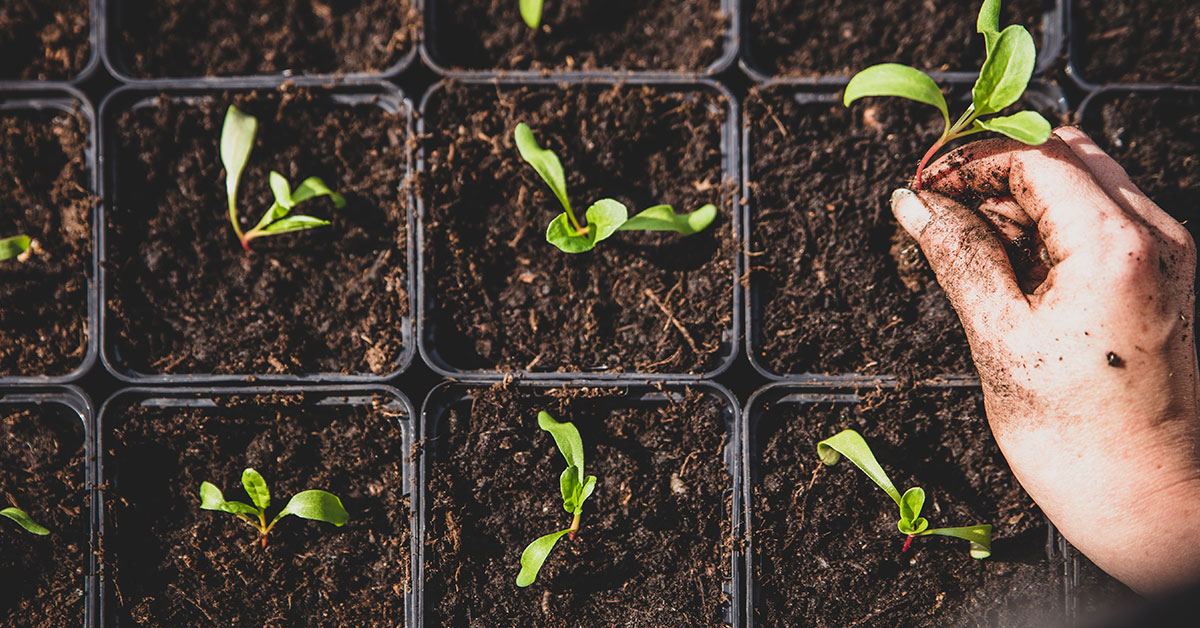

Rhubarb chard is the perfect choice for your garden if you’re looking to add something that is durable and delicious. With its vibrant red stalks and large, glossy green leaves, rhubarb chard is not only a visual delight but also a delicious addition to your meals. This versatile vegetable is packed with nutrients and can be enjoyed raw in salads, sautéed as a side dish, or even used in baking.
In this article, we will explore everything you need to know about growing and caring for rhubarb chard, so you can enjoy a bountiful harvest and elevate your culinary creations. So, grab your gardening tools and get ready to embark on a journey of cultivating this beautiful and tasty vegetable.
What is a Rhubarb Chard?
Rhubarb Chard, also known as Ruby Chard or Rhubarb Swiss Chard, is a leafy green vegetable that is often grown for its colorful stems. It is a member of the beet family and is related to Swiss chard. The leaves of Rhubarb Chard are large and glossy, with a deep green color and a slightly wrinkled texture. They have a mild, earthy flavor, similar to spinach or Swiss chard.
The stems, which are the main attraction of this variety, come in vibrant shades of red, pink, or ruby, resembling the stalks of rhubarb plants. These colorful stems are crisp, succulent, and slightly sweet, providing a delightful contrast to the leaves. Rhubarb Chard is not only a visually appealing addition to any garden, but it is also nutritious. It is rich in vitamins A, C, and K, as well as minerals like potassium, magnesium, and iron. It is low in calories and high in dietary fiber, making it a healthy choice for those looking to incorporate more greens into their diet.
When it comes to cultivation, Rhubarb Chard is relatively easy to grow. It prefers well-drained soil and full sun or partial shade. It can be grown from seeds or transplants, and it is a versatile vegetable that can be grown in containers, raised beds, or traditional garden beds. Regular watering and occasional fertilization will help the plant thrive. Harvesting Rhubarb Chard is simple.
You can start harvesting the leaves when they are about six to eight inches long, cutting them off near the base of the plant. As you remove the outer leaves, the plant will continue to produce new ones throughout the growing season. The stems can be harvested when they reach a desirable size, usually around eight to ten inches long. Rhubarb Chard can be enjoyed in various culinary preparations. The leaves can be used in salads, stir-fries, soups, or sautéed as a side dish.
The stems are often cooked separately and can be steamed, boiled, roasted, or even pickled. The colorful stems can also be used as a natural food dye, adding a vibrant touch to dishes. Overall, Rhubarb Chard is a beautiful and nutritious addition to any garden. With its attractive foliage and vibrant stems, it not only adds visual interest but also provides a versatile and healthy ingredient for your culinary endeavors.
What does Rhubarb Chard taste like?
Rhubarb Chard, also known as Rhubarb Swiss Chard, is a unique and flavorful leafy green vegetable that combines the tartness of rhubarb with the earthy taste of Swiss chard. Its taste can be described as slightly tangy, with a hint of sweetness and mild bitterness.
When raw, the leaves have a crisp texture and a vibrant, refreshing taste. The stalks, which resemble rhubarb in appearance, have a juicy and slightly fibrous texture, similar to celery. When cooked, Rhubarb Chard becomes tender and the flavors mellow out, creating a pleasant balance between sweet and sour notes.
The tartness of the rhubarb-like stalks adds a distinct flavor dimension to the overall taste profile, making Rhubarb Chard a versatile ingredient that can be used in both sweet and savory dishes. It pairs well with other vegetables, herbs, and spices, making it a popular choice in stir-fries, salads, soups, and side dishes.
Overall, the taste of Rhubarb Chard is unique, combining the tartness of rhubarb with the earthy and slightly bitter notes of Swiss chard. It is a delightful addition to any dish, adding both flavor and visual appeal to your meals.
How to start from seed
The most common way to start Chard is by planting seeds. You can purchase seeds from a local garden center or online. Here’s a step-by-step guide to starting Chard from seeds:
Choose a suitable location: Chard prefers a sunny spot with well-draining soil. Ensure the area receives at least 6 hours of direct sunlight per day.
Prepare the soil: Chard grows best in fertile soil, so amend your garden bed with compost or well-rotted manure to improve its nutrient content. Remove any weeds or debris from the area.
Sow the seeds: Plant the Chard seeds directly into the soil, about ½ inch deep and 6-12 inches apart. You can plant them in rows or in a scatter pattern. Cover the seeds with soil and gently pat it down.
Watering: Keep the soil consistently moist but not waterlogged. Water the seeds gently using a watering can or a hose with a gentle spray nozzle.
Germination: Chard seeds usually germinate within 7-14 days, depending on the weather conditions. Maintain consistent moisture during this period.
Thin the seedlings: Once the seedlings have grown to about 2-3 inches tall, thin them out by removing the weaker ones. Leave about 6-8 inches of space between each plant to allow proper growth.
Care and maintenance: Keep the soil evenly moist throughout the growing season. Mulching can help retain moisture and suppress weed growth. Fertilize the plants every 4-6 weeks with a balanced organic fertilizer.
Harvesting: Chard leaves can be harvested when they reach a size of 6-8 inches. You can remove the outer leaves while leaving the inner ones to continue growing. Regular harvesting will encourage new growth.
Transplants: If you prefer a head start or if it’s too late to start from seeds, you can purchase Chard seedlings or transplants from a nursery. The process of planting and caring for transplants is similar to starting from seeds, except you skip the germination and thinning steps.
Remember to provide regular care, monitor for pests and diseases, and harvest the Chard leaves at the appropriate time for a bountiful harvest.
Planting and growing Rhubarb Chard
Planting and growing Rhubarb Chard, also known as Swiss Chard, is relatively straightforward. Here are the steps to get you started:
- Select a suitable location: Rhubarb Chard prefers full sun but can tolerate some shade. Choose a well-draining area with fertile soil.
- Prepare the soil: Loosen the soil to a depth of about 12 inches (30 cm) and remove any weeds or debris. Incorporate organic matter, such as compost or well-rotted manure, to improve soil fertility.
- Sow seeds or transplant seedlings: Rhubarb Chard can be grown from seeds or seedlings. If starting from seeds, sow them directly into the soil about 1/2 inch (1 cm) deep, spacing them around 6 inches (15 cm) apart. If using seedlings, plant them at the same spacing.
- Water regularly: Keep the soil consistently moist but not waterlogged. Rhubarb Chard requires regular watering, especially during dry periods. Mulching around the plants can help retain moisture.
- Thin the seedlings: If you have sown seeds, thin them out when they reach a few inches tall, leaving the strongest plants with enough space to grow. Thinning will prevent overcrowding and promote better growth.
- Fertilize: Rhubarb Chard is a heavy feeder and benefits from regular fertilization. Apply a balanced organic fertilizer, following the manufacturer’s instructions, every four to six weeks throughout the growing season.
- Weed control: Keep the planting area free from weeds, as they can compete with the chard for nutrients and water. Regularly remove any weeds that appear.
- Harvesting: You can start harvesting Rhubarb Chard when the leaves are around 6-8 inches (15-20 cm) long. Cut the outer leaves near the base of the plant, leaving the inner leaves to continue growing. Regular harvesting promotes continuous production.
- Pests and diseases: Rhubarb Chard is generally resistant to many pests and diseases. However, keep an eye out for common issues like aphids, slugs, and leaf miners. Use organic pest control methods if necessary.
- Overwintering: In colder regions, Rhubarb Chard can be grown as a biennial or perennial. Protect the plant during the winter by covering it with a layer of mulch to insulate the roots.
By following these steps, you should be able to enjoy a bountiful harvest of Rhubarb Chard throughout the growing season. Happy gardening!
When to harvest
The best time to harvest Rhubarb Chard is when the stalks are mature and have reached a good size, usually around 8-12 inches in length. This typically occurs about 8-10 weeks after planting or when the plant is well-established. It’s important to wait until the stalks are thick and hearty before harvesting to ensure they have developed their full flavor and texture.