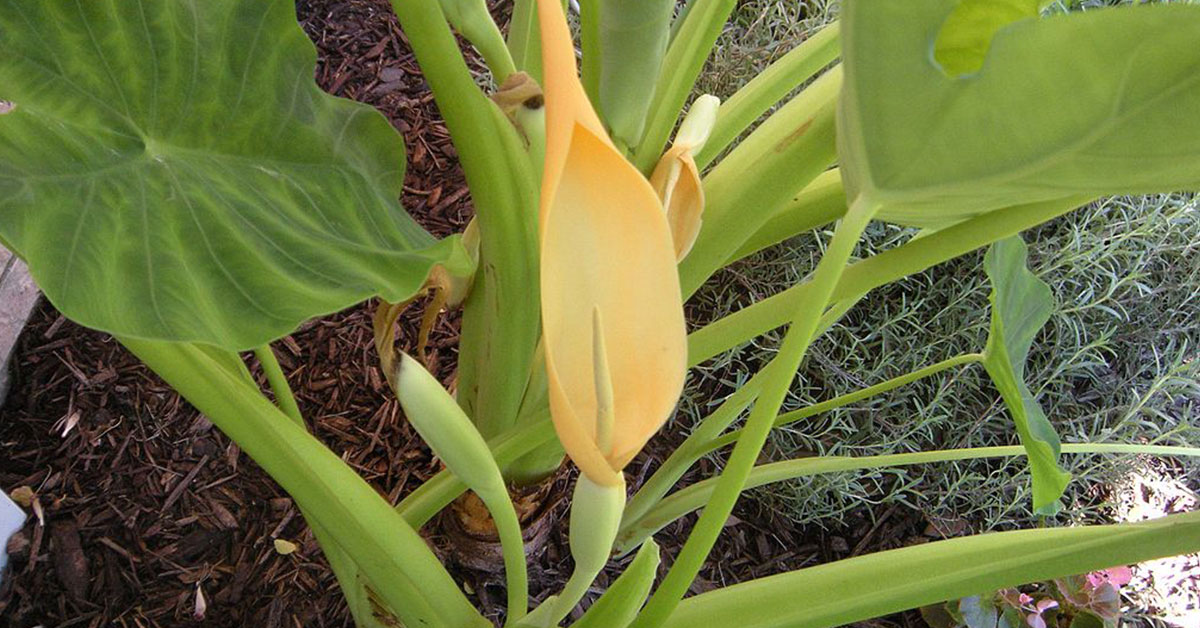

Elephant ears, scientifically known as Alocasia and Colocasia, are magnificent tropical plants that add a touch of exotic beauty to any garden or indoor space. However, their large leaves and rapid growth can sometimes become overwhelming, requiring gardeners to seek methods of control or removal. Whether you’re looking to clear up space in your garden or simply want to relocate your elephant ear plant, this article will guide you through the various techniques and considerations to successfully get rid of elephant ears.
From natural methods to mechanical removal and transplanting, we’ll explore the best practices to ensure a smooth process while preserving the health and aesthetics of your garden.
How to get rid of elephant ears
Getting rid of elephant ears (Colocasia or Alocasia plants) depends on whether you want to remove them temporarily or permanently. These plants can be grown as ornamental foliage plants in gardens or as houseplants. If you wish to remove them permanently, follow these steps:
Digging Up Elephant Ears:
- Prepare the area: Choose a day when the soil is moist but not waterlogged to make digging easier. Wear gloves to protect your hands from potential irritation caused by the plant’s sap.
- Cut back foliage: Use a sharp pair of garden shears or pruners to cut back the leaves and stems of the elephant ears to make the removal process more manageable.
- Dig around the plant: Using a shovel or a garden fork, start digging around the base of the plant, gradually loosening the soil to expose the plant’s tubers (thickened underground stems).
- Lift the tubers: Carefully lift the elephant ear tubers from the ground, trying to keep them intact. You may need to use a spade or shovel to lift the plant completely.
- Dispose of the plant: Once the elephant ears are removed, either discard the tubers or place them in a compost pile (if allowed in your area).
Controlling Elephant Ears in Gardens:
- Regular maintenance: Consistently remove any new shoots that emerge from the ground to prevent the plant from spreading.
- Barrier methods: Install a barrier, such as a physical root barrier or landscape edging, to prevent the rhizomes (underground stems) from spreading beyond a designated area.
Managing Elephant Ears as Houseplants:
- Prune regularly: Trim back the leaves and stems regularly to manage the plant’s size and shape.
- Repotting: Periodically repot the plant to control its growth and size. Use fresh potting mix during repotting.
Remember that elephant ears can be invasive in some regions, especially in warm, tropical climates. Be cautious not to introduce them into the wild or areas where they may become invasive. If you’re uncertain about the best approach for your situation, consider seeking advice from a local horticulturist or gardening expert.
Why get rid of elephant ears?
There could be a few reasons someone might want to get rid of elephant ears, which are large, tropical plants often grown for their impressive foliage. Here are a few common reasons:
- Space constraints: Elephant ears can grow quite large and take up a significant amount of space in a garden or indoor area. If you have limited space or want to make room for other plants, removing the elephant ears might be necessary.
- Maintenance: Elephant ears require regular maintenance, including watering, fertilizing, and pruning. If you find the upkeep to be too time-consuming or demanding, you may choose to remove them and replace them with low-maintenance plants.
- Aesthetic preferences: Everyone has different tastes when it comes to plant choices. If you no longer find elephant ears visually appealing or if they don’t fit the overall aesthetic of your space, you might decide to remove them.
Problems with getting rid of elephant ears
There are a few potential problems that may arise when trying to get rid of elephant ears, which are large perennial plants often grown for their ornamental foliage. Here are a few issues you may encounter:
- Invasive nature: Elephant ears can be invasive and spread rapidly through underground rhizomes. If not managed properly, they can quickly take over an area, displacing other plants and becoming difficult to eradicate completely.
- Rhizome removal: Elephant ears have thick, fleshy rhizomes that store energy and nutrients. Removing these rhizomes entirely can be challenging, especially if they have spread extensively underground. Leaving even small fragments behind can result in regrowth.
- Seasonal regrowth: Elephant ears are dormant during winter, and their leaves die back. However, they often regrow in spring from the existing rhizomes. Completely eradicating them may require multiple attempts over several growing seasons.
- Chemical control: While herbicides can be effective in controlling elephant ears, it’s crucial to choose the right product and apply it properly. However, using herbicides can also harm desirable plants nearby, and repeated applications may be necessary to fully eliminate the elephant ears.
- Disposal: Proper disposal of the removed elephant ear plants and rhizomes is essential to prevent regrowth. If disposed of improperly, they can spread and establish in new areas, causing further problems.
To effectively get rid of elephant ears, it is recommended to combine various control methods such as physical removal, repeated herbicide application, and monitoring the area for regrowth. Additionally, consulting with local gardening experts or professionals can provide valuable advice specific to your region and circumstances.
Other considerations
When considering how to get rid of elephant ears, there are several additional factors to take into account:
- Method of removal: Elephant ears can be removed using various methods, such as digging them up, cutting them back, or using herbicides. The chosen method will depend on the size of the plant, the extent of the infestation, and personal preferences.
- Timing: It’s important to choose the right time for removal. Elephant ears are typically dormant during the winter months, making it an ideal time for digging up or cutting back the plants. However, if using herbicides, it’s crucial to follow the instructions on the product regarding the appropriate time for application.
- Disposal: Proper disposal of the removed plant material is essential to prevent the spread of any diseases or pests. Elephant ears can produce numerous small bulbs or corms, so it’s important to bag and dispose of them properly. Check with your local waste management facility or gardening center for guidance on the appropriate disposal methods.
- Preventing regrowth: Elephant ears are known for their ability to regrow from small pieces of the plant left behind. To prevent regrowth, ensure all plant material, including bulbs and corms, are completely removed. Consider using mulch or landscape fabric to discourage new growth from emerging.
- Protective measures: If you want to preserve other plants while removing elephant ears, it’s important to take protective measures. Use plastic barriers or shields to prevent herbicides or removal methods from affecting nearby desired plants. Additionally, consider wearing protective gloves and clothing while handling the plants, as some individuals may experience skin irritation.
- Professional assistance: If the infestation is extensive or you are unsure about the best approach, it may be wise to seek the help of a professional landscaper or arborist. They can provide expert advice, ensure proper removal techniques, and address any concerns you may have.
Remember to research and follow local regulations and guidelines regarding the removal and disposal of invasive plants like elephant ears to prevent any negative impact on the environment.