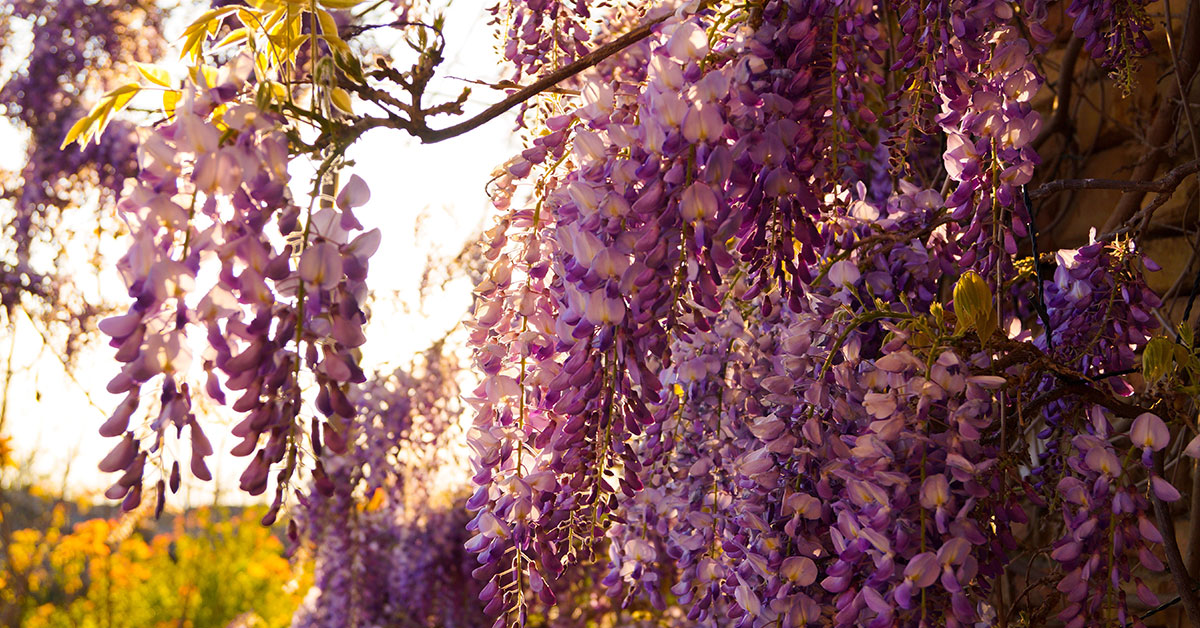

Wisteria, with its stunning blooms and graceful vines, can bring beauty and charm to any garden or landscape. However, this vigorous climber can quickly become invasive if left unchecked, overwhelming other plants and structures in its path. If you find yourself struggling to control the growth of wisteria and want to reclaim your space, this article will provide you with a comprehensive guide on how to effectively get rid of wisteria.
We will explore various methods, including manual removal, chemical treatments, and preventive measures, ensuring that you have all the necessary information and tools to tackle this persistent plant and restore balance to your outdoor space.
How to get rid of wisteria
To effectively get rid of wisteria, follow these steps:
- Cut back the wisteria: Start by cutting back the wisteria vine as much as possible. Use pruning shears or a saw to remove the main stems close to the ground. This will help weaken the plant and make it easier to remove.
- Dig out the roots: Wisteria has an extensive root system, so it’s important to dig out as much of the roots as possible. Use a shovel or a garden fork to loosen the soil around the roots, and then carefully pull them out. Be thorough in removing as many roots as possible, as any remaining roots can regrow.
- Use herbicide: If the wisteria is persistent or if you’re unable to remove all the roots, you can use an herbicide to kill the remaining plant. Choose a non-selective herbicide containing glyphosate, and follow the instructions on the product for application. Be cautious not to spray any desirable plants nearby, as the herbicide can harm them as well.
- Monitor and repeat: Wisteria is known for its resilience, so it’s important to monitor the area and remove any regrowth promptly. If any new growth appears, repeat the cutting back and digging out process. For any remaining roots, consider applying the herbicide again according to the product instructions.
- Dispose of the plant properly: To prevent any potential regrowth, it’s important to dispose of the cut-back wisteria properly. Bag up the plant material and discard it in the trash or take it to a green waste facility if available. Avoid composting the plant material, as it may still have the ability to regrow.
Remember, wisteria can be quite challenging to eliminate completely, so patience and persistence are crucial. Regular monitoring and prompt action will help ensure successful removal.
Why get rid of wisteria?
There are a few reasons why you might want to get rid of wisteria growing on your property:
- Invasive nature: Wisteria is known for its aggressive growth and ability to spread rapidly. It can quickly overtake other plants in your garden or yard, competing for resources and potentially causing damage.
- Structural damage: Wisteria vines can be heavy and put a lot of strain on structures such as fences, trellises, and even buildings. Over time, this weight can lead to structural damage if not properly managed.
- Maintenance concerns: Wisteria requires frequent pruning and maintenance to keep it in check. If left unattended, it can become overgrown and tangled, making it difficult to control and manage.
- Allergies and sensitivities: Some people may be allergic or sensitive to wisteria pollen or the plant’s sap, causing allergic reactions or skin irritations.
Considering these reasons, learning how to get rid of wisteria can help regain control over your garden or yard, prevent structural damage, reduce maintenance efforts, and potentially alleviate allergic reactions.
Problems with getting rid of wisteria
There are a few potential problems that can arise when trying to get rid of wisteria:
- Regrowth: Wisteria is known for its ability to regrow from small fragments, such as roots or stem cuttings. If not properly removed, even a small piece left behind can lead to new plants sprouting up.
- Persistence: Wisteria is a vigorous vine that can be difficult to control. Its extensive root system can spread underground, making it challenging to completely eradicate.
- Damage to other plants: Wisteria is known to climb and smother other plants, trees, and structures. When attempting to remove it, there is a risk of causing damage to surrounding vegetation or structures.
- Herbicide use: While herbicides can be effective in controlling wisteria, they also carry the risk of harming desirable plants and the environment if not properly applied. Care must be taken to follow instructions and use the appropriate herbicide for the situation.
- Labor-intensive process: Removing wisteria can be a time-consuming and physically demanding task, especially if the plant has been allowed to grow unchecked for a long time. This may require repeated efforts, including cutting and pulling, digging up roots, and ongoing monitoring to prevent regrowth.
It is recommended to consult with local gardening experts or professionals for guidance on the most effective and appropriate methods for removing wisteria in your specific situation.
Other considerations
When considering how to get rid of wisteria, here are some other factors to consider:
- Identification: Ensure that the plant you are trying to remove is indeed wisteria and not a similar-looking plant. Proper identification is crucial to avoid accidentally removing desirable plants.
- Growth habit: Wisteria is a vigorous climber that can grow rapidly and spread through its roots. Understanding its growth habit will help you determine the best approach for removal.
- Time commitment: Removing wisteria can be a time-consuming process, especially if it has been established for a long time. Be prepared for ongoing maintenance and follow-up work to prevent regrowth.
- Tools and equipment: Depending on the size and extent of the wisteria, you may need specific tools and equipment for removal. These can include pruners, loppers, saws, and even digging tools for removing roots.
- Safety precautions: Wisteria can have thick, woody stems and can be challenging to remove. Take necessary safety precautions by wearing protective clothing, gloves, and eye protection to avoid injury.
- Environmental impact: Consider the potential environmental impact of the removal method you choose. Chemical herbicides may have negative effects on other plants and wildlife, so it’s important to use them responsibly or explore alternative, eco-friendly methods.
- Disposal: Decide how you will dispose of the removed wisteria, including the branches, roots, and any other plant parts. Check with your local waste management regulations to ensure proper disposal methods.
- Consult experts: If you are unsure about the best approach or need assistance, consider consulting with local gardening professionals, arborists, or extension services. They can provide guidance specific to your region and situation.
Remember, removing wisteria can be challenging, so be patient and persistent in your efforts.