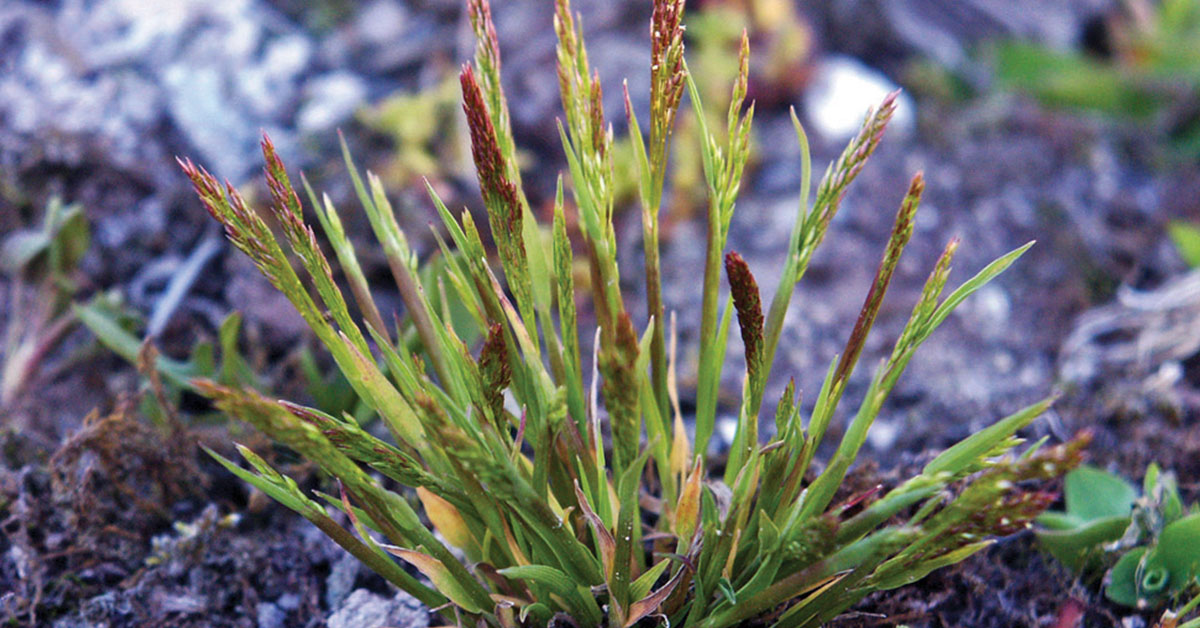

Bentgrass, a common lawn weed, can quickly become a nuisance for homeowners and gardeners. Its aggressive growth and ability to spread rapidly make it challenging to control. However, with the right approach, it is possible to effectively get rid of bentgrass and restore a healthy and vibrant lawn.
In this article, we will explore various methods and techniques to tackle this stubborn weed, including cultural practices, natural remedies, and chemical treatments. Whether you are dealing with a small patch or a widespread infestation, our comprehensive guide will provide you with the knowledge and tools needed to successfully eliminate bentgrass and reclaim your lawn’s beauty.
How to get rid of bentgrass
To get rid of bentgrass, you can follow these steps:
- Hand-pull: Start by manually removing as much bentgrass as possible by hand. Make sure to pull the entire plant, including the roots.
- Mow regularly: Mowing the grass regularly to a height of 2-3 inches can help weaken the bentgrass and prevent it from spreading.
- Aerate the soil: Aerating the soil will help improve drainage and reduce the conditions that favor the growth of bentgrass.
- Water properly: Bentgrass thrives in moist conditions, so avoid overwatering your lawn. Water deeply but infrequently to encourage deep root growth in desirable grasses.
- Improve soil fertility: Test your soil and amend it with the appropriate nutrients to promote the growth of desirable grasses. This will make it harder for bentgrass to establish itself.
- Apply herbicides: If the above methods don’t provide satisfactory results, you can use selective herbicides specifically designed to target bentgrass. Follow the instructions carefully and apply the herbicide as directed.
- Re-seed or re-sod: If the bentgrass infestation is severe and difficult to control, you may need to consider re-seeding or re-sodding the affected area with a more desirable grass species.
Remember, getting rid of bentgrass may require persistence and ongoing maintenance to prevent its re-establishment.
Why get rid of bentgrass?
There are a few reasons why one might want to get rid of bentgrass:
- Invasive nature: Bentgrass is known for its aggressive growth habit and ability to spread rapidly. It can quickly take over a lawn or other areas, choking out other desirable grass species and plants.
- Maintenance challenges: Bentgrass requires specialized care and maintenance to keep it looking its best. It needs frequent mowing, regular irrigation, and specific fertilization and weed control practices. This can be time-consuming and costly for homeowners or groundskeepers.
- Poor performance in certain conditions: Bentgrass is often used on golf courses and sports fields due to its ability to withstand heavy foot traffic. However, it can struggle to thrive in hot, dry climates or areas with poor drainage. In these conditions, it may become thin, weak, and more susceptible to disease and pests.
- Aesthetics: Some people simply prefer the look of other grass varieties over bentgrass. Bentgrass tends to have a fine texture and a dense, low-growing habit, which may not be the desired aesthetic for everyone.
Overall, the decision to get rid of bentgrass ultimately depends on personal preferences and the specific needs and conditions of the lawn or area in question.
Problems with getting rid of bentgrass
There are several potential problems that can arise when trying to get rid of bentgrass:
- Resistance to herbicides: Bentgrass can develop resistance to commonly used herbicides over time, making it difficult to eliminate with chemical treatments alone.
- Re-growth from roots or seeds: Even if the visible bentgrass is removed, it can regrow from the roots or seeds left behind in the soil. This means that a thorough eradication process may be necessary to prevent re-infestation.
- Damage to desired plants: When attempting to remove bentgrass, there is a risk of inadvertently damaging or killing desired plants nearby. Care must be taken to avoid harming the surrounding vegetation during the removal process.
- Time-consuming process: Eliminating bentgrass can be a time-consuming task, requiring multiple treatments and ongoing maintenance. It may require several seasons of consistent effort to completely eradicate the grass.
- Cost: Depending on the extent of the infestation and the method chosen for removal, the cost of getting rid of bentgrass can vary. Professional assistance or specialized equipment may be needed, resulting in additional expenses.
- Re-infestation from neighboring areas: If neighboring areas have bentgrass, there is a risk of re-infestation. Seeds or rhizomes from nearby lawns or landscapes can easily spread and establish new growth.
- Environmental impact: Some eradication methods may have negative environmental consequences. For example, the use of certain herbicides can harm beneficial insects, birds, or other wildlife. It is important to consider environmentally friendly options when choosing a removal strategy.
It is advisable to consult with lawn care professionals or experts to determine the most effective and appropriate approach for your specific situation.
Other considerations
When getting rid of bentgrass, there are several other considerations to keep in mind:
- Identification: Ensure that the grass in question is actually bentgrass and not another type of grass or weed. Bentgrass has a distinct appearance, with fine blades and a dense growth habit.
- Time of year: The best time to tackle bentgrass removal is during its active growth period, which is typically in the spring and fall. Avoid attempting removal during extreme heat or cold, as it may stress the surrounding turf.
- Method of removal: There are various methods to remove bentgrass, including hand-pulling, scalping, smothering, chemical treatments, or a combination of these approaches. The choice of method depends on the extent of the infestation, the size of the affected area, and personal preference.
- Scalping: This involves mowing the grass very short to remove the bentgrass. However, it may also damage the desirable turf, so consider the overall health and tolerance of the grass before attempting this method.
- Smothering: Smothering the bentgrass with a layer of black plastic or cardboard can be effective in killing it. This method deprives the grass of sunlight and eventually causes it to die off. However, it may take several weeks or even months to eradicate the bentgrass completely.
- Chemical treatments: Herbicides can be used to control bentgrass, but it’s important to choose a product that specifically targets bentgrass and does not harm the surrounding turf. Follow the instructions carefully and consider consulting a professional if unsure about proper application.
- Re-seeding or re-sodding: Once the bentgrass has been successfully removed, it may be necessary to re-seed or re-sod the affected area to fill in any bare spots. Selecting the appropriate grass species that will thrive in your region is crucial for long-term success.
- Maintenance practices: To prevent future bentgrass infestations, maintain proper lawn care practices, such as regular mowing, appropriate watering, and adequate fertilization. A healthy, well-maintained turf will be less susceptible to bentgrass invasion.
Remember, bentgrass removal requires patience and persistence. It may take multiple attempts and ongoing maintenance to fully eliminate it from your lawn or garden.