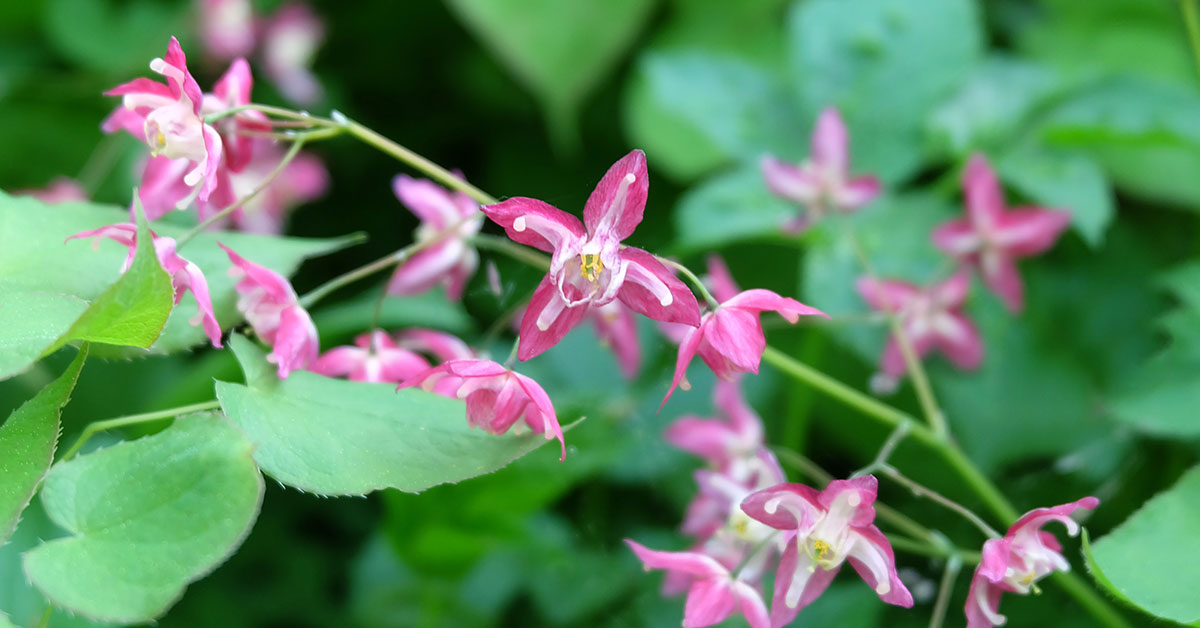

Goat weed, scientifically known as Aegopodium podagraria, is a persistent and invasive plant species that can quickly overtake gardens, lawns, and natural landscapes. Also referred to as ground elder, bishop’s weed, or goutweed, it can be quite challenging to get rid of goat weed once it takes hold.
However, with the right knowledge and a well-executed plan, you can successfully get rid of goat weed and restore the health and beauty of your outdoor spaces. In this article, we will explore a range of effective strategies, from manual removal techniques to herbicides, providing you with a comprehensive guide to permanently eliminate goat weed from your environment.
Whether you are a seasoned gardener or a novice homeowner facing this pesky weed for the first time, this guide will equip you with the tools to reclaim control over your landscape.
How to get rid of goat weed
To get rid of goat weed, you can follow these steps:
- Identify the goat weed: Make sure you correctly identify the weed you want to eliminate. Goat weed is also known as Aegopodium podagraria and is a perennial invasive plant with small white flowers and triangular-shaped leaves.
- Manual removal: If the goat weed is limited to a small area, you can manually remove it by pulling it out from the roots. Make sure to wear gloves to protect your hands.
- Regular mowing: If the goat weed has spread extensively, regular mowing can help weaken it over time. Cut the weed down to ground level regularly to prevent it from flowering and producing seeds.
- Mulching: Apply a layer of thick mulch, such as wood chips or cardboard, over the affected area. This will smother the goat weed and prevent it from receiving sunlight, eventually killing it.
- Herbicides: If manual removal and mulching methods are not effective, you can opt for herbicides. Choose a non-selective herbicide that contains glyphosate or a herbicide specifically designed to target goat weed. Follow the instructions on the label carefully and apply the herbicide directly to the plant, taking care to avoid any desirable plants nearby.
- Repeat the process: Goat weed can be persistent, so it’s important to stay vigilant and repeat the chosen method regularly until the weed is completely eradicated.
Remember to take precautions when using herbicides, such as wearing protective clothing and following the instructions provided by the manufacturer.
Why get rid of goat weed?
There are a few reasons why someone might consider getting rid of goat weed:
- Invasive plant: Goat weed, also known as Aegopodium podagraria or goutweed, is an invasive plant species that can quickly spread and take over garden areas. It can outcompete native plants and disrupt the natural balance of ecosystems.
- Aggressive growth: Goat weed has a rapid growth rate and can quickly overwhelm other plants in a garden or landscape. Its aggressive growth habit can make it difficult to control and manage.
- Difficulty in eradication: Goat weed has an extensive root system, which can make it challenging to completely remove from an area. Even small fragments of the root can regrow, making eradication a long and ongoing process.
- Allergies and skin irritations: Some people may be allergic to goat weed, experiencing symptoms such as skin irritations, itching, or respiratory issues. Removing goat weed from the surroundings can help reduce exposure and minimize allergic reactions.
- Aesthetic reasons: Goat weed can be considered visually unappealing, especially when it dominates a garden or landscape. Removing it can help improve the overall appearance of the area.
It’s important to note that goat weed may have some beneficial uses in traditional medicine or culinary applications, so it’s always recommended to consult with a local expert or horticulturist before making a decision on removing it.
Problems with getting rid of goat weed
There are a few potential problems that may arise when trying to “get rid of goat weed”:
- Misidentification: Goat weed, also known as “goat’s rue” or “galega,” is a plant that has historically been used for medicinal purposes. However, it is important to correctly identify the plant before attempting to get rid of it. Misidentifying the plant could lead to accidentally removing beneficial plants or not effectively eliminating the goat weed.
- Invasive nature: Goat weed is considered an invasive species in certain regions. If left unchecked, it can quickly spread and outcompete native plants, potentially disrupting local ecosystems. Removing goat weed without proper control measures may not completely eradicate it, leading to regrowth and continued invasiveness.
- Root system: Goat weed has an extensive root system, making it difficult to completely remove. If only the above-ground portions of the plant are removed, the roots may remain and allow the weed to regrow. Ensuring complete removal of the root system can be labor-intensive and time-consuming.
- Chemical control: The use of herbicides or chemicals to eliminate goat weed can be effective but may also have potential drawbacks. Herbicides might harm other desirable plants nearby or cause environmental damage if not used correctly. Additionally, repeated or excessive use of chemicals can contribute to the development of herbicide-resistant weeds.
To address these potential problems, it is advisable to consult with local authorities or agricultural extension offices for guidance on goat weed removal specific to your region. They can provide information on proper identification, effective eradication methods, and any regulations or guidelines that need to be followed.
Other considerations
When considering getting rid of goat weed, there are a few other factors to keep in mind:
- Identification: Ensure that you correctly identify the plant you want to remove. Goat weed can refer to different plant species, such as Aegopodium podagraria (commonly known as ground elder) or Ageratum houstonianum (also known as flossflower). Identifying the specific plant will help you determine the most effective removal method.
- Safety precautions: Before removing any weed, especially if using herbicides or tools, it is essential to take safety precautions. Wear gloves, long sleeves, and eye protection to protect yourself from potential skin irritations or injuries.
- Environmental impact: Consider the environmental impact of the removal method you choose. Some herbicides can be harmful to other plants, animals, and the overall ecosystem. If possible, opt for more environmentally friendly removal methods that minimize harm to the surrounding environment.
- Persistence: Goat weed can be persistent and challenging to eliminate completely. Be prepared for ongoing efforts and regular maintenance to prevent regrowth.
- Soil health: Depending on the removal method used, the soil may be disturbed or affected. Consider ways to promote soil health and fertility after removing the weed, such as adding organic matter or using natural fertilizers.
- Prevention: After successfully removing goat weed, take preventive measures to reduce the chances of it reestablishing. Regularly monitor the area for any signs of regrowth and promptly address them.
Remember, it’s always a good idea to consult with local gardening experts or professionals for specific advice tailored to your situation.