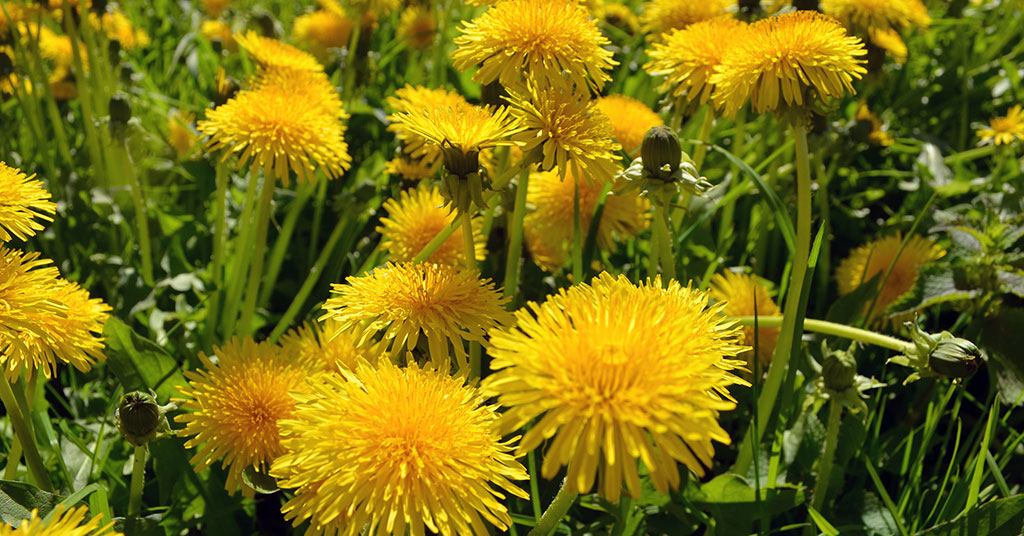

Hitchhiker weeds, also known as invasive plants, have become a persistent nuisance for gardeners and landowners alike. These tenacious plants have a remarkable ability to spread rapidly and take over spaces, outcompeting native vegetation and disrupting ecosystems. Whether it’s the notorious dandelions, thistles, or bindweed, these hitchhiker weeds can quickly become a headache if left unchecked. In this article, we will explore effective strategies and techniques to get rid of hitchhiker weeds and restore balance to your garden or property.
From understanding their lifecycle and growth patterns to employing organic and chemical control methods, we will provide you with a comprehensive guide to tackle these unwelcome guests and reclaim your space. By following these tried-and-tested approaches, you can regain control over your garden, promote biodiversity, and ensure a healthier and more vibrant landscape.
How to get rid of hitchhiker weeds
To get rid of hitchhiker weeds, follow these steps:
- Identify the hitchhiker weeds: Familiarize yourself with the specific hitchhiker weed species you are dealing with. This will help you determine the most effective removal method.
- Manual removal: If the hitchhiker weeds are small and not too numerous, you can remove them manually by pulling them out from the root. Make sure to wear gloves to protect your hands.
- Mulching: Apply a layer of mulch around desirable plants to prevent hitchhiker weeds from germinating and growing. Mulch blocks sunlight and suppresses weed growth.
- Herbicides: If manual removal is not feasible or the hitchhiker weeds have spread extensively, you can use herbicides. Choose a selective herbicide that targets the specific hitchhiker weed species while sparing your desirable plants. Follow the instructions on the herbicide label carefully.
- Preventive measures: To prevent hitchhiker weeds from re-establishing, practice good garden maintenance. Regularly inspect and remove any emerging weed seedlings. Avoid introducing new hitchhiker weed seeds by cleaning tools, equipment, and footwear before entering the garden.
- Enhance plant health: Maintain healthy and vigorous plants in your garden. Strong plants are better able to compete with weeds and reduce their establishment.
Remember, persistence is key when dealing with hitchhiker weeds. Regularly monitor your garden and promptly address any new weed growth to keep them under control.
Why get rid of hitchhiker weeds?
There are several reasons why one should get rid of hitchhiker weeds:
- Compete with desired plants: Hitchhiker weeds can compete with and reduce the growth of desired plants in your garden or landscape. They often have aggressive growth habits and can quickly take over an area, depriving other plants of essential nutrients, sunlight, and water.
- Impact biodiversity: Hitchhiker weeds can disrupt the natural balance and biodiversity of an ecosystem. They can outcompete native plants, reducing food and habitat sources for local wildlife. By removing these weeds, you can help maintain a healthier and more diverse ecosystem.
- Spread rapidly: Hitchhiker weeds are called such because they have adapted to easily hitch a ride and spread to new areas. They produce large amounts of seeds, which can be dispersed by wind, water, animals, or even on clothing and tools. By removing these weeds, you can prevent their spread to other areas.
- Reduce maintenance efforts: Hitchhiker weeds can make gardening and landscaping more challenging and time-consuming. They often require extra effort to control and remove, which can be avoided by preventing their establishment in the first place.
- Prevent future problems: Some hitchhiker weeds are known to be invasive species, which can cause significant ecological and economic damage if they become established. By removing these weeds early on, you can help prevent future problems and save yourself from potentially costly and time-consuming eradication efforts.
In summary, getting rid of hitchhiker weeds is important to protect the health and biodiversity of your garden or landscape, prevent their spread, reduce maintenance efforts, and avoid future problems associated with invasive species.
Problems with getting rid of hitchhiker weeds
There are several potential problems that can arise when trying to get rid of hitchhiker weeds:
- Misidentification: Properly identifying hitchhiker weeds can be challenging, especially if you are not familiar with the specific species. Mistakenly targeting the wrong plants can result in wasted efforts and resources.
- Spread of seeds: Hitchhiker weeds often have seeds that can easily disperse through various means, such as wind, animals, or even unintentional human activity. If not properly handled, attempting to remove these weeds can unintentionally spread their seeds to new areas, exacerbating the problem.
- Persistence of roots: Some hitchhiker weeds have deep or extensive root systems that make complete removal difficult. If the roots are not adequately eliminated, the weeds can quickly regrow, requiring repeated efforts to control them effectively.
- Resistant weeds: Over time, hitchhiker weeds can develop resistance to commonly used herbicides or removal methods. This can make eradication more challenging and may require alternative approaches or specialized treatments.
- Environmental impact: Certain methods used to control hitchhiker weeds, such as chemical herbicides, can have unintended consequences on the environment. They may harm beneficial plants, wildlife, or contaminate water sources if not used carefully and according to instructions.
- Cost and time investment: Depending on the size of the infestation, getting rid of hitchhiker weeds can be a time-consuming and costly process. It may require the use of specialized equipment, professional services, or regular maintenance to ensure long-term control.
To effectively address these problems, it is essential to correctly identify the hitchhiker weeds, employ appropriate removal methods, and consider the potential environmental impact of the chosen approach. Consulting with local experts or professionals can provide valuable guidance in dealing with hitchhiker weeds effectively.
Other considerations for
When getting rid of hitchhiker weeds, there are several other considerations to keep in mind:
- Identification: It’s important to correctly identify the hitchhiker weeds you want to get rid of. Different weeds require different methods of removal, so make sure you know exactly what you’re dealing with.
- Prevention: Taking preventive measures is crucial to avoid further spread of hitchhiker weeds. Be mindful of the areas you visit and try to avoid places with heavy weed infestations. Clean your shoes, clothing, and equipment thoroughly after being in weed-prone areas.
- Timing: Timing is key when removing hitchhiker weeds. Some weeds are easier to control at specific stages of their growth cycle. For example, removing weeds before they go to seed can prevent further spread.
- Method of Removal: Depending on the type of weed and its location, there are various methods of removal to consider. Manual removal by hand or using tools like weed pullers can be effective for small infestations. For larger infestations, mechanical methods like mowing or tilling may be necessary. In some cases, herbicides may need to be used, but caution should be taken to ensure they are safe for the environment and other plant life.
- Disposal: Proper disposal of removed hitchhiker weeds is essential to prevent their reestablishment. Bagging and disposing of the plants in a designated green waste or landfill area is recommended. Avoid composting or leaving the weeds on the ground, as they may re-root and spread.
- Monitoring and Maintenance: After removing hitchhiker weeds, it’s important to monitor the area for any regrowth or new infestations. Regular maintenance, such as spot treatments or scheduled removals, can help keep the hitchhiker weeds under control.
- Seek Professional Help: If you are unsure about the identification or removal methods, it’s best to consult with a professional, such as a local extension service or a certified horticulturist, who can provide guidance and expertise.
Remember, the key to effectively getting rid of hitchhiker weeds is persistence and consistent management.