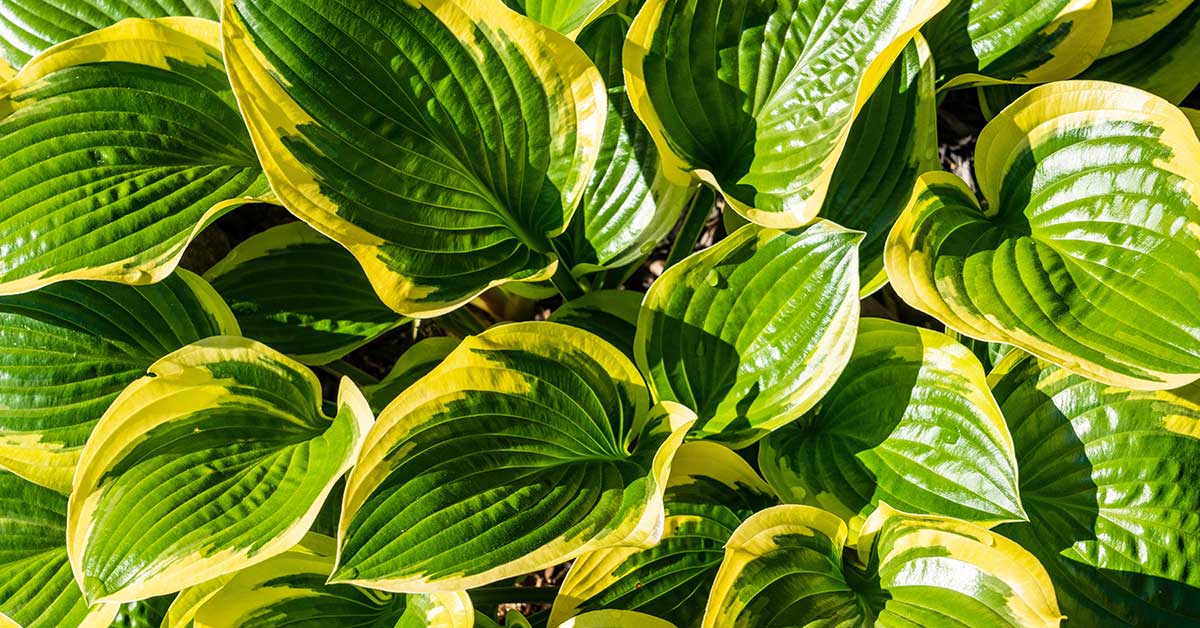

Hostas, with their lush and vibrant foliage, are a popular choice for garden enthusiasts looking to add a touch of elegance and charm to their outdoor spaces. However, despite their beauty, hostas can sometimes become invasive and overpowering, taking over other plants and crowding out the garden. If you find yourself in a situation where you need to get rid of hostas, it’s essential to approach the task with care and precision to ensure the health of your garden and maintain its overall aesthetic appeal.
In this article, we will explore various effective methods and strategies to successfully eliminate hostas from your garden, allowing you to regain control and create a balanced and harmonious outdoor environment. Whether you opt for natural solutions or more aggressive approaches, this comprehensive guide will provide you with the knowledge and tools necessary to tackle the removal of hostas with confidence and achieve the desired results.
How to get rid of hostas
To get rid of hostas, you can follow these steps:
- Digging: Start by digging up the hostas using a shovel or garden fork. Make sure to dig deep enough to remove the entire root system.
- Divide and transplant: If you want to keep some hostas, you can divide and transplant them to another area of your garden. This will help prevent the hostas from regrowing in the original location.
- Remove root clumps: After digging up the hostas, remove any remaining root clumps from the soil. Hostas can regrow from even small root fragments, so it’s important to be thorough in removing all traces.
- Mulch or cover the area: To prevent hostas from regrowing, you can cover the area with a layer of mulch or a thick plastic sheet. This will block sunlight and inhibit their growth.
- Regular monitoring: Keep an eye on the area where the hostas were removed. If you notice any new growth, promptly dig it up and ensure that no roots remain.
- Herbicides (optional): If the above steps don’t fully eliminate the hostas, you can use herbicides specifically labeled for controlling broadleaf weeds. Follow the instructions carefully and apply the herbicide to the hostas as directed.
Remember, hostas have extensive root systems, so it may take some time and effort to completely get rid of them. It’s essential to be persistent and thorough in your removal efforts to prevent any regrowth.
Why get rid of hostas?
There are a few reasons why someone might choose to get rid of hostas:
- Invasive growth: Hostas are known for their vigorous growth and ability to spread quickly. If left unchecked, they can take over other plants and garden areas, making it difficult for other species to thrive.
- Lack of diversity: While hostas are popular for their lush foliage and ability to tolerate shade, having too many hostas in a garden can result in a lack of plant diversity. This can make the garden less visually interesting and limit the range of habitats for other plants and wildlife.
- Pest and disease issues: Hostas are susceptible to various pests and diseases, including slugs, snails, deer, and foliar diseases. If a garden is constantly plagued by these issues, removing hostas can help alleviate the problem and reduce the need for pesticides or other control measures.
- Changing garden preferences: Over time, people’s tastes and preferences for certain plants may change. If someone no longer finds hostas appealing or wishes to create a different garden aesthetic, they may choose to remove the hostas and replace them with other plants that better suit their current preferences.
It’s important to note that while some people may choose to remove hostas for these reasons, others may still enjoy and appreciate them in their gardens. Ultimately, the decision to get rid of hostas depends on individual preferences and the specific needs and goals of the garden.
Problems with getting rid of hostas
There are a few potential problems that may arise when trying to get rid of hostas:
- Resilience: Hostas are known for their resilience and ability to bounce back even after being cut back or removed. This means that it may require multiple attempts or methods to completely eradicate them.
- Re-growth: Hostas have underground rhizomes that can quickly regenerate new shoots and grow back if not completely removed. Ensuring that all rhizomes are properly dug up and disposed of is crucial in preventing re-growth.
- Spreading: Hostas are known to spread through underground rhizomes, which can result in them popping up in new areas of your garden or yard. Controlling the spread of hostas may require ongoing maintenance and monitoring.
- Herbicide resistance: Some hostas may develop resistance to certain herbicides over time. This means that using herbicides alone may not be effective in getting rid of hostas, and alternate methods like manual removal or a combination of approaches may be necessary.
- Impact on other plants: Hostas are shade-tolerant plants, meaning they can thrive even in areas with limited sunlight. Removing hostas may create open spaces that are quickly filled by other invasive or unwanted plants. Proper planning and consideration for the surrounding landscape is important to prevent the growth of new problem plants.
- Environmental impact: The use of certain herbicides or chemicals to eliminate hostas can have negative consequences on the surrounding environment. It’s important to follow proper guidelines and regulations when using such substances to minimize any potential harm to beneficial plants, animals, or the ecosystem.
It is always recommended to research and consider the most suitable methods for your specific situation before attempting to get rid of hostas.
Other considerations
When considering getting rid of hostas, there are a few other things to keep in mind:
- Digging up and disposing of the hostas: Hostas have extensive root systems, so removing them can be a labor-intensive task. You may need to dig deep to ensure you remove all the roots. Consider using a sharp shovel or garden fork to help loosen the soil around the plants. Once removed, you will need to dispose of the hostas properly, either by composting them or discarding them in yard waste bags.
- Replacing the hostas: After removing the hostas, you will need to decide what to do with the empty space. You can choose to plant new vegetation or opt for other landscaping options such as mulch, decorative stones, or a different type of ground cover.
- Preventing regrowth: Hostas can be persistent and may regrow from leftover roots or seeds. To prevent regrowth, make sure you remove as much of the root system as possible. You can also consider applying an herbicide specifically designed to kill hostas or using a natural weed barrier to suppress any regrowth.
- Soil health and preparation: Hostas thrive in rich, well-draining soil. If you plan to replace them with other plants, it is essential to prepare the soil adequately. Consider adding organic matter such as compost or aged manure to improve the soil’s fertility and structure.
- Future maintenance: Once you have removed the hostas, it is important to consider the long-term maintenance of the area. Determine how much time, effort, and resources you are willing to invest in the new landscaping or plants that will take the place of the hostas. Choose plants that suit your desired level of maintenance and ensure you follow proper care practices to keep the area looking its best.
Remember, removing hostas can be a significant undertaking, so it’s crucial to plan and execute the process properly to achieve the desired results.