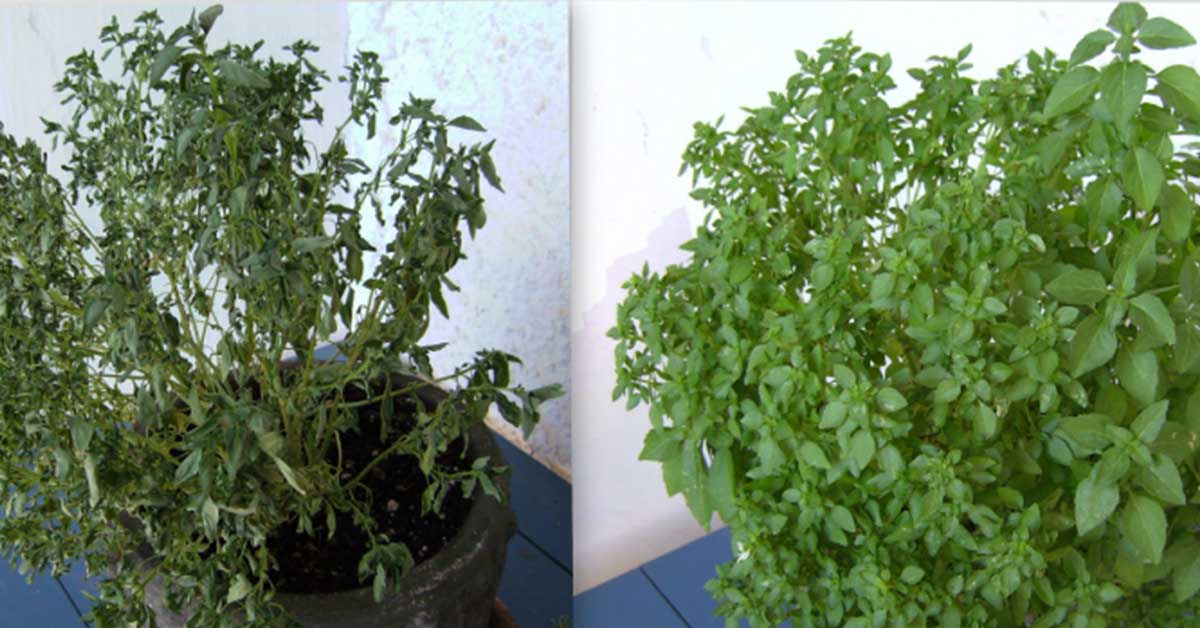

In the world of gardening, an overwatered plant can be a distressing sight. Despite our best intentions, it’s easy to get carried away with watering, leading to root rot, wilting leaves, and a generally unhappy plant. However, there is no need to panic!
With a little knowledge and some simple steps, you can easily fix an overwatered plant and bring it back to its thriving, green glory. In this article, we will explore the signs of overwatering, the potential damage it can cause, and provide a comprehensive guide on how to revive your overwatered plant effectively.
Whether you’re a seasoned gardener or just starting out, these tips and techniques will equip you with the necessary tools to rescue your beloved plant and ensure its long-term health and vitality.
How to fix an overwatered plant
If you have overwatered a plant, here are some steps you can take to fix the issue:
- Remove the excess water: Gently tilt the pot to the side to allow any excess water to drain out. You can also use a towel or sponge to soak up the excess water from the soil.
- Check the roots: Carefully remove the plant from its pot and inspect the roots. If they appear mushy, brown, or have a foul smell, it might indicate root rot. In this case, you will need to trim away the affected roots using clean scissors or pruning shears. Be sure to sterilize your tools before and after use to prevent the spread of any potential diseases.
- Repot the plant: Choose a new pot with drainage holes and fresh, well-draining soil appropriate for your plant type. Gently remove the plant from its old pot, shake off excess soil, and place it in the new pot. Add fresh soil around the roots, ensuring it is evenly distributed.
- Adjust watering routine: After repotting, adjust your watering routine to prevent overwatering in the future. Different plants have different water requirements, so it’s important to understand the specific needs of your plant. Allow the soil to dry out slightly between waterings, and always check the moisture level before watering again.
- Provide adequate light and temperature: Make sure your plant is receiving the right amount of light and is in an appropriate temperature range for its species. This will help the plant recover and grow stronger.
- Monitor and adjust: Keep a close eye on your plant’s condition and make any necessary adjustments to its care routine. If you notice any further issues, such as wilting or yellowing leaves, adjust your watering or other care practices accordingly.
Remember, prevention is key in avoiding overwatering. Understanding your plant’s specific needs and providing proper care will help keep it healthy and thriving.
Problems with fixing an overwatered plant
Some potential problems with overwatered plants and their fixes include:
- Root rot: Overwatering can lead to root rot, where the roots become waterlogged and start to decay. To fix this, you should carefully remove the plant from its pot, trim away any rotting roots, and repot it in fresh, well-draining soil.
- Fungal diseases: Overwatering can create a damp environment, which can promote the growth of fungal diseases like powdery mildew or root fungus. To address this issue, you should reduce watering and ensure good air circulation around the plant. If the disease has already developed, you may need to use appropriate fungicides.
- Nutrient deficiencies: Overwatering can leach essential nutrients out of the soil, leading to nutrient deficiencies in the plant. To fix this, you should provide balanced fertilization to replenish the lost nutrients.
- Pest infestation: Overwatered plants can attract pests such as fungus gnats or root aphids. To control these pests, you should reduce watering, allow the soil to dry out, and consider using appropriate insecticides or natural pest control methods.
- Wilting or yellowing leaves: Overwatering can cause the leaves to wilt or turn yellow due to oxygen deprivation or nutrient imbalances. To address this issue, you should adjust the watering schedule, ensuring that the soil is allowed to partially dry out between waterings. Additionally, you may need to provide proper fertilization to restore nutrient balance.
Remember, prevention is better than cure when it comes to overwatering. It is important to understand the watering needs of different plant species and ensure that you are providing the correct amount of water for their specific requirements.
Other considerations
When fixing an overwatered plant, there are several other considerations to keep in mind:
- Drainage: Ensure that the pot or container has proper drainage holes to allow excess water to escape. If the plant is in a container without drainage holes, consider repotting it into a container that does have them.
- Soil type: Use a well-draining soil mix that allows water to flow through easily. Avoid heavy or compacted soils that can retain excess moisture.
- Watering frequency: Adjust your watering schedule to prevent overwatering in the future. Allow the top inch or two of soil to dry out before watering again, as different plants have different water requirements.
- Root health: Check the roots for signs of root rot or damage. Trim off any mushy or diseased roots and repot the plant in fresh, healthy soil.
- Light exposure: Ensure the plant is receiving the appropriate amount of light for its specific needs. Some plants may require more light to dry out the soil effectively.
- Temperature and humidity: Consider the environmental conditions in which the plant is located. High humidity or cooler temperatures can slow down the drying process, so ensure proper ventilation and temperature control if necessary.
- Fertilizer use: Avoid fertilizing the plant immediately after overwatering, as it can further stress the roots. Wait until the plant has recovered and is showing signs of new growth before resuming normal fertilizer applications.
Remember that different plants have different tolerance levels for water, so it’s important to research the specific needs of your plant to ensure proper care.