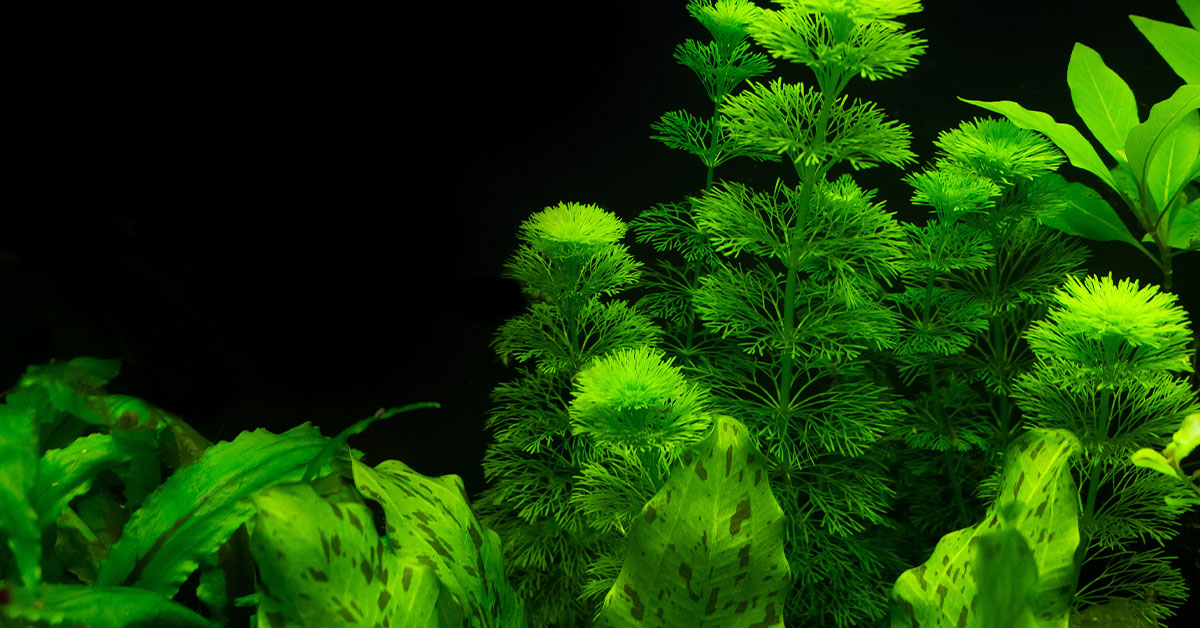

Aquarium plants are not only a beautiful addition to any fish tank, but they also play a crucial role in maintaining a healthy aquatic ecosystem. Just like any other living organism, these plants require essential nutrients to thrive and grow. While there are numerous commercial fertilizers available on the market, many aquarium enthusiasts prefer a more natural approach to nourishing their aquatic flora. In this article, we will explore various methods and techniques to fertilize aquarium plants naturally, promoting their growth and overall well-being.
We will delve into the benefits of using organic materials, such as fish waste and organic compost, as well as the importance of maintaining a balanced nutrient cycle within your aquarium. Whether you are a beginner or an experienced aquarist, this guide will provide you with valuable insights on how to foster a vibrant and flourishing underwater garden in an eco-friendly and sustainable manner.
How to Fertilize aquarium plants naturally
Fertilizing aquarium plants naturally can be done by following these steps:
- Choose nutrient-rich substrate: Start by selecting a substrate that is specially formulated for planted aquariums. These substrates typically contain nutrients that can benefit plant growth.
- Use organic matter: Add organic matter to the substrate, such as compost or peat moss. This helps provide additional nutrients for the plants.
- Utilize fish waste: Fish waste is a natural source of nutrients for aquarium plants. Allow the waste to accumulate in the aquarium, and it will break down over time, releasing nutrients into the water.
- Introduce live plants: Live plants can help to naturally fertilize the aquarium. They absorb nutrients from the water, helping to maintain a balanced ecosystem.
- Implement a water change schedule: Regular water changes can help to replenish the nutrients in the aquarium. When performing water changes, use a fertilizer specifically designed for aquarium plants, preferably one that is organic and free from harmful chemicals.
- Consider adding beneficial bacteria: Beneficial bacteria can help break down organic matter and convert it into nutrients that the plants can use. You can introduce these bacteria into the aquarium by using a bacterial supplement designed for planted tanks.
- Monitor and adjust: Keep an eye on the overall health of your plants. If you notice any deficiencies or signs of poor growth, consider adjusting your fertilization routine or adding additional supplements as needed.
Remember, each aquarium is unique, and the needs of your plants may vary. It’s essential to research the specific requirements of the plants you have and adjust your fertilization approach accordingly.
Why Fertilize aquarium plants naturally?
There are several benefits to fertilizing aquarium plants naturally:
- Healthier plants: Natural fertilizers provide essential nutrients that help plants grow stronger and healthier. This leads to vibrant, lush foliage and better overall plant health.
- Balanced nutrient supply: Natural fertilizers like fish waste or organic matter release nutrients slowly, ensuring a steady supply without causing nutrient imbalances or spikes that can harm the plants or water quality.
- Environmental-friendly: Using natural fertilizers reduces the reliance on chemical-based fertilizers, which can be harmful to aquatic life and the overall ecosystem. Natural fertilizers are biodegradable and have minimal impact on water quality.
- Cost-effective: Natural fertilizers can often be obtained from readily available sources, such as fish waste or decaying plant matter, making them a cost-effective option compared to purchasing commercial fertilizers.
- Simplicity: Natural fertilizers are easy to use and require minimal effort. For example, adding fish waste or using organic fertilizers can be as simple as incorporating them into the water or substrate.
- Compatibility with other aquarium inhabitants: Natural fertilizers are generally safe for fish, invertebrates, and other aquarium inhabitants, as they mimic the natural nutrient cycle found in their native habitats.
Remember to research and understand the specific requirements of your aquarium plants before choosing a natural fertilizer to ensure it meets their needs.
Problems with Fertilize aquarium plants naturally
There are a few potential problems that can arise when trying to fertilize aquarium plants naturally. Here are some of them:
- Nutrient deficiencies: Natural fertilizers may not contain all the necessary nutrients in the right proportions that aquarium plants require. This can lead to nutrient deficiencies, which can hinder the growth and health of the plants.
- Imbalanced nutrient levels: Different plants have varying nutrient requirements. When using natural fertilizers, it can be challenging to maintain a balanced nutrient level for all the plants in the aquarium. Some plants may receive too much of certain nutrients, while others may not get enough.
- Inconsistent nutrient release: Natural fertilizers often release nutrients slowly over time. While this can be beneficial, it can also result in inconsistent nutrient availability. This can lead to uneven plant growth and nutrient imbalances within the aquarium.
- Algae growth: Excessive nutrient levels in the aquarium can promote the growth of algae. If the natural fertilizers used are not properly balanced, they may contribute to excessive nutrient levels, leading to algae blooms and negatively impacting the overall aesthetics of the aquarium.
- Water quality concerns: Natural fertilizers can decompose and release organic compounds into the water. This decomposition process can affect water quality by reducing oxygen levels, increasing ammonia levels, and potentially causing unpleasant odors in the aquarium.
To overcome these potential problems, it is important to monitor the nutrient levels in the aquarium, regularly test the water parameters, and consider supplementing with additional nutrients or using a balanced commercial fertilizer if necessary.
Other considerations for Fertilize aquarium plants naturally
When fertilizing aquarium plants naturally, there are several additional considerations to keep in mind:
- Substrate: Choose an appropriate substrate for your aquarium plants. A nutrient-rich substrate such as aquarium soil or a mix of clay and gravel can provide essential nutrients to the plants’ roots.
- Lighting: Ensure that your aquarium has adequate lighting for the plants. Different plants have varying light requirements, so research the specific needs of your plants and adjust the lighting accordingly. Insufficient light can hinder plant growth, even with ample nutrients.
- Carbon dioxide (CO2): Plants require carbon dioxide for photosynthesis. Consider supplementing CO2 in the aquarium to promote healthy plant growth. There are various methods to introduce CO2, including using pressurized CO2 systems or utilizing natural sources like CO2 produced by fish and beneficial bacteria.
- Water quality: Monitor and maintain good water quality. Regular water changes and proper filtration are essential for the overall health of your aquarium plants. Poor water parameters can hinder nutrient absorption and plant growth.
- Nutrient balance: While natural fertilization methods can provide essential nutrients to your aquarium plants, it’s crucial to maintain a balanced nutrient profile. Too much or too little of certain nutrients can lead to deficiencies or toxicities. Research the specific nutrient requirements of your plants and adjust your fertilization accordingly.
- Plant selection: Choose aquarium plants that are suitable for your setup and skill level. Some plants require more nutrients or specific conditions to thrive, while others are hardier and more forgiving. Consider your tank size, lighting, and maintenance capabilities when selecting plants.
- Algae control: When fertilizing aquarium plants, there is a potential risk of algae growth. Algae can compete for nutrients and hinder plant growth. Implement proper algae control measures, such as maintaining good water quality, controlling lighting duration, and ensuring proper nutrient balance.
Remember to research and understand the specific needs of your aquarium plants to provide optimal care and promote healthy growth.