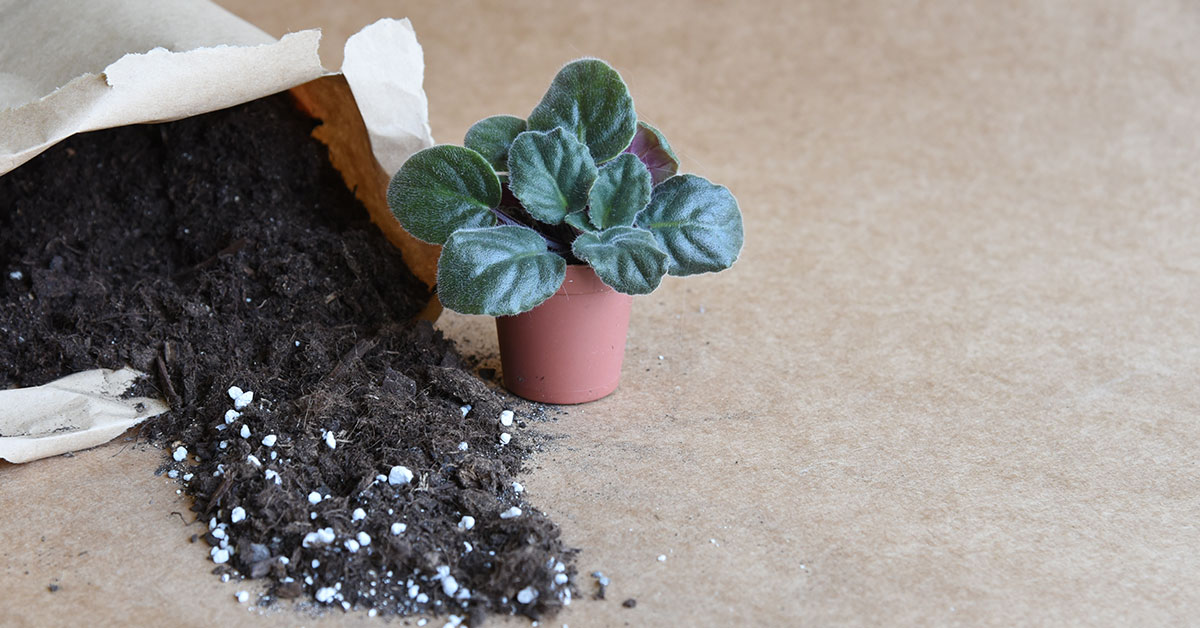

African violets, with their delicate blooms and vibrant colors, are a beloved addition to any indoor garden. As these charming plants grow, they may become crowded and require division to maintain their health and vigor. Whether you are a seasoned gardener looking to expand your collection or a beginner eager to learn more about plant care, this guide will equip you with the knowledge and confidence to divide African violets with ease.
How to divide African Violets
Dividing African violets is a great way to propagate new plants and keep your existing ones healthy. Here’s a step-by-step guide on how to divide African violets:
- Prepare the materials: You will need a sharp, sterilized knife or scissors, clean pots or containers, fresh potting soil, and water.
- Choose a mature African violet plant that has grown sufficiently and has multiple crowns or rosettes. It’s best to divide them during spring or early summer when they are actively growing.
- Carefully remove the African violet from its pot or container, being gentle to avoid damaging the roots.
- Examine the plant and locate the separate crowns or rosettes. Each crown should have its own set of leaves and roots.
- Use a sharp, sterilized knife or scissors to separate the crowns. Ensure that each division has a good amount of roots attached.
- Fill the clean pots or containers with fresh potting soil, leaving enough space for the divided African violet to fit comfortably.
- Make a small hole in the soil of each new pot and place the divided African violet division into the hole, ensuring that the crown is level with the soil surface.
- Gently press the soil around the roots to provide stability and support.
- Water the newly divided African violets thoroughly, ensuring that the soil is evenly moist. Be careful not to overwater as this can lead to root rot.
- Place the pots in a location with bright, indirect light. Avoid direct sunlight as it can scorch the leaves.
- Keep the soil consistently moist but not waterlogged. It’s best to allow the top inch of soil to dry out before watering again.
- Monitor the plants closely for the first few weeks to ensure they are adapting well to their new environment.
By following these steps, you should be able to successfully divide your African violets and propagate new plants. Remember to provide them with the right care, including appropriate light, watering, and fertilization, to help them thrive.
Why divide African Violets?
There are a few reasons why one may choose to divide African violets:
- Plant rejuvenation: Over time, African violets can become crowded and overgrown, which can lead to decreased blooming and overall health. Dividing the plant allows for better air circulation, nutrient absorption, and overall rejuvenation.
- Propagation: Dividing African violets is an effective way to propagate new plants. Each divided section can be potted up and grown into a new plant, allowing you to expand your collection or share with friends and family.
- Pest and disease control: Dividing African violets can help prevent the spread of pests and diseases. By separating and inspecting each division, you can identify and address any issues before they affect the entire plant.
- Size control: African violets can grow quite large if left undivided. Dividing them helps keep their size manageable, particularly if you have limited space or prefer smaller plants.
Overall, dividing African violets promotes healthier growth, propagation opportunities, pest and disease control, and size management.
Problems with dividing African Violets
Dividing African violets can sometimes pose a few challenges or potential problems. Here are some issues you may encounter:
- Damage to the plant: During the division process, there is a risk of accidentally damaging the roots or foliage of the African violet, which can lead to stress or even death of the plant.
- Infection or disease spread: If you’re dividing African violets that are infected or diseased, there is a possibility of spreading the problem to the newly divided plants. It’s crucial to ensure that your plants are healthy before dividing them.
- Improper timing: Dividing African violets at the wrong time, such as during their blooming period or when they are actively growing, can hinder their ability to recover and establish themselves properly.
- Overdivision: Dividing a mature African violet into too many smaller plants can weaken them, as each division may not have enough energy reserves to thrive. It’s important to divide them into appropriate-sized sections.
- Improper potting or soil conditions: If the newly divided African violets are not potted correctly or provided with suitable soil conditions, they may struggle to establish proper root growth and may not thrive.
To mitigate these potential problems, it’s essential to follow proper techniques for dividing African violets, ensure the plant’s health before division, choose the right timing, and provide appropriate care and conditions to the newly divided plants.
Other considerations
When dividing African violets, there are several other considerations to keep in mind:
- Timing: The best time to divide African violets is during their active growth period, typically in the spring or early summer. This allows the plants to recover quickly and establish new roots before their dormant period in the winter.
- Health of the plant: It’s important to divide healthy plants that are free from diseases, pests, or any other issues. Dividing a sick plant can spread the problems to the new divisions.
- Size of the plant: African violets can become overcrowded and outgrow their pots. Dividing them allows for better growth and prevents the plants from becoming root-bound. Consider dividing when the plant has filled the pot and has multiple crowns.
- Adequate space and containers: Make sure you have enough space and pots ready to accommodate the new divisions. Each division should have its own container with enough room for the roots to grow and develop.
- Proper tools and techniques: Use clean and sharp tools, such as a sterilized knife or scissors, to avoid damaging the plant. Gently separate the plant into individual sections, ensuring that each division has sufficient roots attached.
- Potting mix: Prepare a well-draining potting mix suitable for African violets. A mix containing peat moss, perlite, and vermiculite or coconut coir works well. Avoid using regular garden soil as it can be too heavy and may not provide adequate drainage.
- Watering and care: After dividing, water the new divisions thoroughly to settle the potting mix around the roots. Place the newly divided plants in a warm and bright location, but avoid direct sunlight. Maintain consistent moisture levels, allowing the soil to dry slightly between waterings.
- Patience and observation: It may take some time for the divided African violets to establish and start growing. Be patient and monitor the plants closely for signs of stress or any issues that may require attention.
By considering these factors, you can successfully divide African violets and promote their healthy growth.