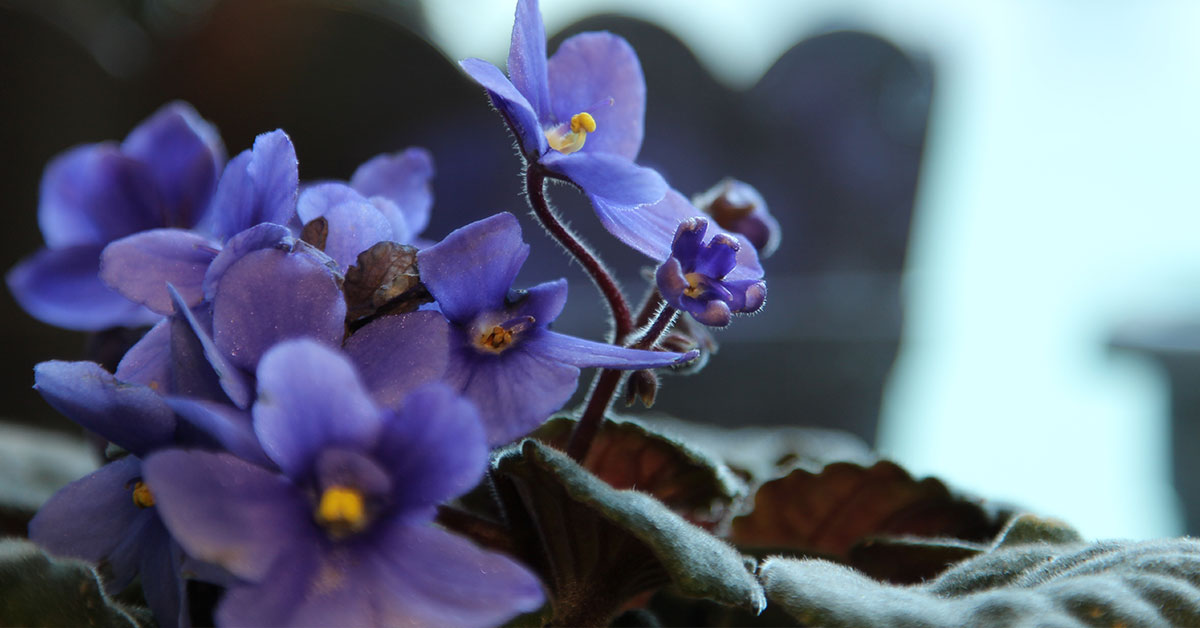

African violets are known for their vibrant and delicate flowers, bringing a touch of beauty and elegance to any indoor space. However, to ensure the continuous blooming of these lovely plants, it is essential to deadhead them regularly. In this article, we will explore the step-by-step guide on how to deadhead African violets effectively, allowing you to maintain the health and beauty of these charming plants for years to come.
Whether you are a seasoned gardener or just starting out, mastering the art of deadheading African violets will undoubtedly enhance your gardening skills and bring endless joy to your home.
How to deadhead African Violets
Deadheading African violets is an important step in maintaining their health and encouraging continuous blooming. Here’s how to do it:
- Wait for the blooms to fade: Allow the flowers to fully bloom and then wait until they start to fade and wilt. This usually takes around 7-10 days.
- Identify the spent flowers: Look for flowers that have lost their vibrant color and are starting to wither. These are the ones you’ll want to remove.
- Prepare your tools: Get a pair of clean, sharp scissors or pruning shears. It’s important to use clean tools to avoid introducing any diseases or infections to the plant.
- Pinch or cut the stem: Gently hold the stem of the spent flower and either pinch it off with your fingers or use the scissors/shears to cut it just above the first set of healthy leaves. This will encourage new growth and more blooms.
- Dispose of the dead flowers: Collect the removed flowers and dispose of them in a compost bin or trash. Make sure not to leave any decaying plant material around the African violet, as it can attract pests or promote disease.
- Water and care: After deadheading, continue to care for your African violet as usual. Provide it with adequate light, water it from the bottom, and fertilize it regularly according to the instructions specific to African violets.
By regularly deadheading your African violets, you’ll help promote better growth and more abundant blooms.
Why deadhead African Violets?
Deadheading African violets is important for several reasons:
- Promotes blooming: Deadheading involves removing spent or fading flowers from the plant. By removing these spent blooms, you encourage the plant to produce new flower buds, resulting in a continuous cycle of blooming. This helps to ensure that your African violet remains vibrant and full of beautiful flowers.
- Enhances plant appearance: Removing faded flowers improves the overall appearance of the African violet. It keeps the plant looking neat and tidy, as well as prevents the plant from wasting energy on producing seeds or developing unsightly seed pods.
- Prevents disease and pests: Deadheading helps in preventing the spread of diseases and pests. By removing spent flowers, you eliminate potential breeding grounds for pests and minimize the risk of diseases taking hold in the decaying flowers.
- Stimulates new growth: Deadheading stimulates the African violet to redirect its energy towards new growth. This can lead to the development of more compact and bushier foliage, resulting in a healthier and more visually appealing plant.
Overall, deadheading African violets helps to maintain their beauty, encourage continuous blooming, and promote overall plant health.
Problems with deadheading African Violets
There are a few potential problems that can occur with Deadhead African violets:
- Overwatering: African violets are susceptible to root rot if they are overwatered. It is important to let the soil dry out slightly between waterings to avoid this issue.
- Underwatering: On the other hand, if African violets are not watered enough, their leaves may become wilted and droopy. It is important to provide them with enough water, but also avoid letting them sit in standing water.
- Improper lighting: African violets require bright, indirect light to thrive. If they are not receiving enough light, their leaves may become pale and they may not produce as many flowers.
- Pests: African violets can be susceptible to pests such as aphids, mealybugs, and spider mites. Regularly inspect the plants for any signs of pests and take appropriate measures to control them if necessary.
- Incorrect temperature: African violets prefer temperatures between 65-75°F (18-24°C). If they are exposed to extreme temperatures or drafts, it can negatively affect their growth and flowering.
- Fertilizer imbalance: African violets require specific fertilizers with balanced nutrients. Using the wrong type or amount of fertilizer can lead to nutrient deficiencies or excesses, which can harm the plant.
- Disease: African violets can be susceptible to various diseases, such as powdery mildew or gray mold. Proper care, including good air circulation, avoiding overwatering, and maintaining cleanliness, can help prevent these issues.
It is important to monitor your African violets closely and address any problems promptly to keep them healthy and thriving.
Other considerations
When deadheading African violets, there are a few other considerations to keep in mind:
- Timing: It’s best to deadhead African violets when the flowers have faded and started to wither. Removing the spent blooms promptly will encourage the plant to produce new blooms.
- Method: Deadheading can be done by pinching off the faded flowers or by using small scissors. Ensure that you remove the entire flower stalk, including any developing seed pods, to prevent energy waste.
- Sanitation: To prevent the spread of diseases or pests, it’s crucial to sanitize your tools before and after deadheading. You can use rubbing alcohol or a diluted bleach solution to clean your scissors or pruners.
- Fertilizing: After deadheading, it’s a good time to fertilize your African violets. Use a balanced, water-soluble fertilizer specifically formulated for African violets, following the package instructions for dilution and frequency.
- Watering: It’s important to maintain proper watering practices. Avoid overwatering or letting the plants sit in water, as it can lead to root rot. Water the plants thoroughly when the top inch of soil feels dry, and always pour off any excess water from the tray or saucer.
- Lighting: African violets thrive in bright, indirect light. Ensure that they receive sufficient light but avoid exposing them to direct sunlight, as it can scorch the leaves.
- Temperature and Humidity: These plants prefer temperatures between 65-75°F (18-24°C) during the day and slightly cooler temperatures at night. They also appreciate moderate humidity levels, so consider using a humidifier or placing a tray of water near the plants to increase humidity.
By considering these factors while deadheading African violets and providing them with optimal care, you can help promote healthy growth and continuous blooming.