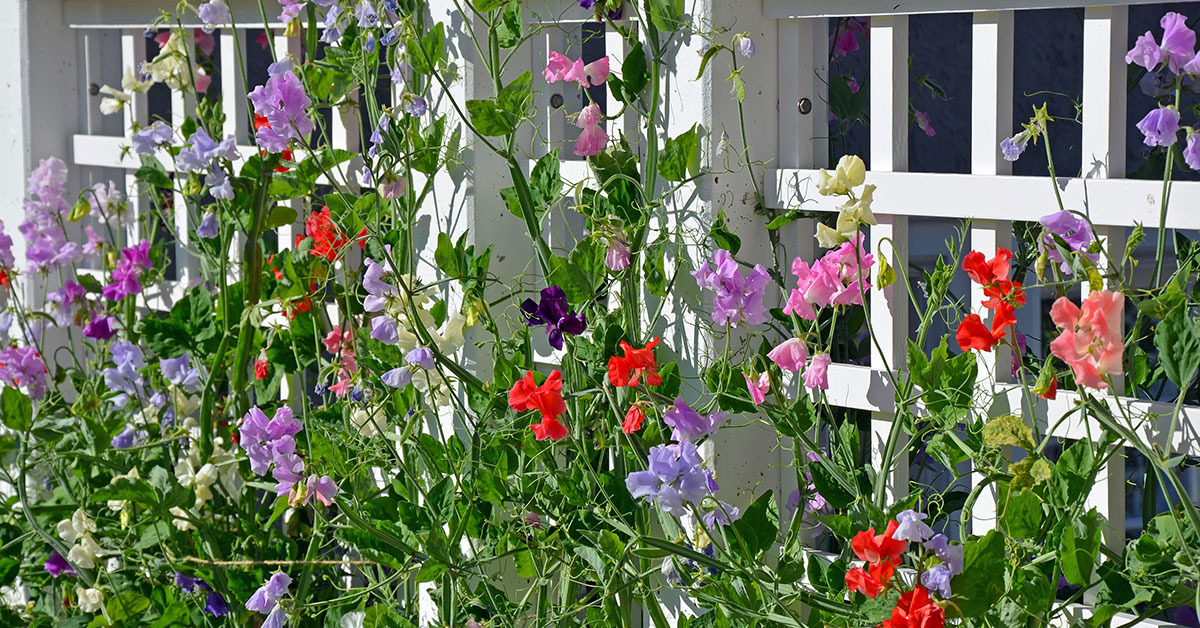

Are you a gardening enthusiast eager to grow vibrant and fragrant sweet peas in the United Kingdom? If so, understanding the optimal time to plant these beloved flowers is crucial for ensuring a successful and bountiful garden. Sweet peas, known for their captivating colors and enchanting fragrance, require careful planning and consideration when it comes to planting. In this comprehensive guide, we will delve into the best time to sow sweet peas in the UK, taking into account the region’s climate and weather patterns.
Whether you are a seasoned gardener or a beginner, by following these recommendations, you can maximize the growth and beauty of your sweet peas, creating a breathtaking display that will delight both your senses and those who behold your garden.
Best varieties of sweet peas to grow in the UK
There are several popular and reliable varieties of sweet peas that grow well in the UK. Here are a few recommendations:
- ‘Old Fashioned Mix’: This mix includes a variety of sweet pea colors, including pink, purple, blue, and white. It produces fragrant blooms and is known for its excellent scent.
- ‘Spencer Mix’: The Spencer sweet peas have large, ruffled blooms with long stems, making them great for cut flower arrangements. The mix includes a range of colors, from pastels to bold shades.
- ‘Matucana’: This heirloom variety is highly fragrant and features dark maroon and purple flowers. It is a very early bloomer and is well-suited for growing in cooler climates.
- ‘Cupani’: Another heirloom variety, ‘Cupani’ has bicolored flowers with deep violet standards and purple-maroon wings. It has a rich, sweet fragrance and is the original sweet pea that was brought to England in the 17th century.
- ‘Royal Mix’: This mix contains a range of colors, including shades of blue, pink, purple, and white. The flowers have a strong, sweet scent and are ideal for both garden display and cutting.
- ‘Windsor’: ‘Windsor’ sweet peas produce large, frilly blooms in various shades of pink, from pale blush to deep rose. The flowers have a lovely fragrance and are perfect for adding a touch of elegance to your garden.
Remember, when choosing sweet pea varieties, consider factors such as fragrance, color preference, and growing conditions to select the ones that best suit your garden.
When to plant sweet peas in the UK
In the UK, the Royal Horticultural Society (RHS) has established a useful system known as hardiness zones to help gardeners determine the suitability of different plants for their specific region. These zones are based on average winter temperatures and provide guidance on what plants can survive and thrive in different parts of the country.
The UK is divided into four main hardiness zones: H1, H2, H3, and H4, with H1 being the mildest and H4 the coldest. The zones are further divided into subzones, denoted by letters (a, b, and c), which indicate slight variations in temperature within each main zone.
When it comes to sweet peas (Lathyrus odoratus), they are generally considered hardy annuals that can tolerate cool temperatures and light frosts. Sweet peas are typically sown in early spring or autumn, depending on the specific zone and the desired flowering time.
For gardeners in the mildest areas, such as parts of Cornwall, Devon, and the Isles of Scilly (H1), sweet peas can be sown in autumn for early spring blooms. In these regions, the mild winters allow for a longer growing season, and autumn-sown sweet peas have a chance to establish strong root systems before the colder months.
In H2 zones, which include areas like London, South Wales, and parts of the South and Southwest, sweet peas are best sown in early spring. This allows them to take advantage of the slightly warmer temperatures and longer days of spring and summer.
In H3 zones, encompassing most of England and Wales, including cities like Birmingham, Manchester, and Leeds, sweet peas can also be sown in early spring. However, it may be beneficial to start them indoors or in a greenhouse a few weeks before the last frost date to give them a head start.
Lastly, in H4 zones, which mainly cover northern England, Scotland, and higher altitudes, sweet peas are typically sown in early spring to take advantage of the short but relatively mild summers. Starting them indoors or using protective measures like cloches can help extend the growing season.
It’s worth noting that these guidelines are general recommendations, and local variations in microclimates, soil conditions, and weather patterns can influence the best time to plant sweet peas. Additionally, gardeners should always refer to specific seed packets or consult local gardening resources for more precise timing information based on their location.
Remember to provide sweet peas with well-draining soil, ample sunlight, and some support like a trellis or netting for them to climb. With proper care and attention, sweet peas can reward you with beautiful, fragrant blooms throughout the summer months.
When to harvest sweet peas in the UK
The optimal time to harvest sweet peas in the UK is typically from mid-June to mid-July. However, the exact timing can vary depending on the weather conditions and the specific variety of sweet peas you are growing. It’s important to regularly monitor your plants and harvest the sweet peas when the pods are plump and the peas inside have reached their desired size. Harvesting regularly will also encourage the plants to produce more flowers.
Other considerations
When growing sweet peas in the UK, there are several other considerations to keep in mind to ensure the success of your plants. Here are some key factors to consider:
- Soil: Sweet peas prefer well-draining soil that is rich in organic matter. Before planting, prepare the soil by adding compost or well-rotted manure to improve its fertility and drainage.
- Sunlight: Sweet peas thrive in full sun, so choose a location in your garden that receives at least 6-8 hours of direct sunlight per day. However, they can tolerate partial shade if necessary.
- Watering: Sweet peas require regular watering, especially during dry spells. Keep the soil consistently moist but not waterlogged. Water at the base of the plants to avoid wetting the foliage, as this can lead to diseases.
- Support: Sweet peas are climbers and need support to grow properly. Install trellises, bamboo canes, or netting for the plants to climb on. Make sure the support structure is sturdy enough to hold the weight of the plants and their blooms.
- Pruning: Regular pruning is essential for sweet peas to encourage bushier growth and more blooms. Pinch off the growing tips when the plants reach about 6 inches in height to encourage branching. Also, remove any dead or faded flowers to prevent seed formation and promote continuous flowering.
- Fertilization: Sweet peas benefit from regular feeding to ensure healthy growth and abundant blooms. Use a balanced liquid fertilizer every two to three weeks during the growing season. Avoid over-fertilizing, as this can result in excessive foliage growth at the expense of flowers.
- Pest and disease control: Keep an eye out for common pests like aphids, slugs, and snails, which can damage sweet pea plants. Regularly inspect the plants and take appropriate measures, such as using organic pest control methods or introducing beneficial insects. Additionally, be vigilant for diseases like powdery mildew and gray mold, and promptly address any signs of infection.
- Harvesting: Sweet peas are known for their delightful fragrance and vibrant colors, making them wonderful cut flowers. Harvest the blooms regularly to encourage more flowers to develop. Cut the stems early in the morning when the flowers are at their freshest, and place them in a vase of water immediately.
By considering these factors, you can enjoy a successful sweet pea growing experience in the UK. Happy gardening!