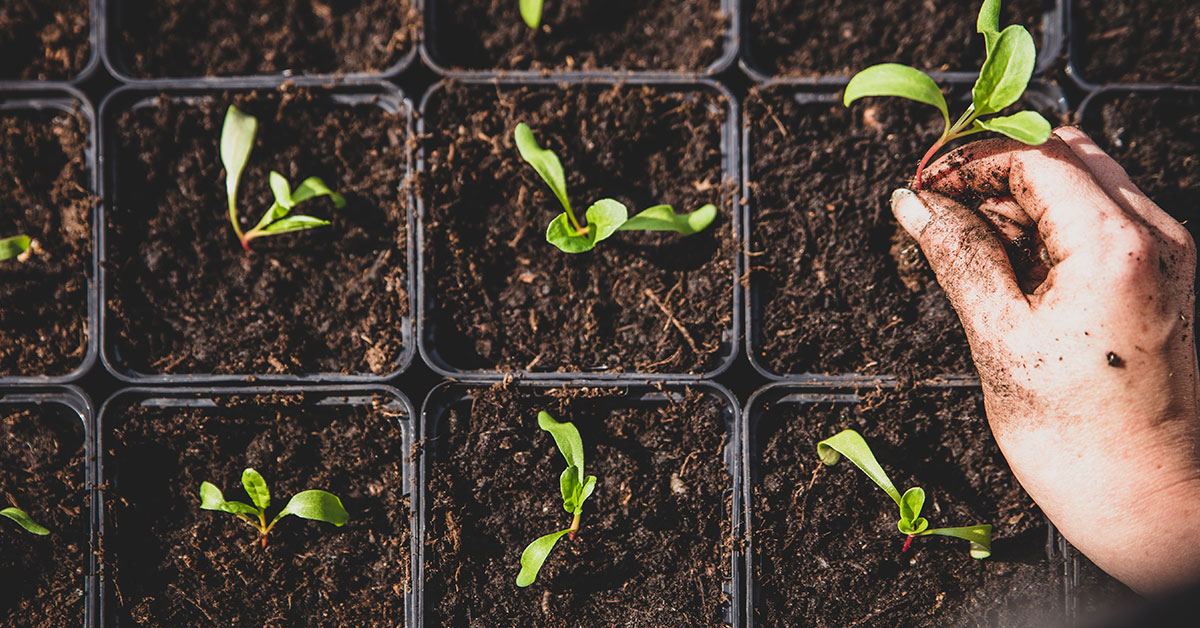

Welcome to the world of Pink Passion Chard, a delightful and vibrant addition to any garden or kitchen. Known for its stunning magenta-hued stems and dark green, glossy leaves, Pink Passion Chard is not only visually appealing but also a nutritional powerhouse. This unique variety of Swiss chard, also known as Rhubarb Chard, offers a mild and slightly sweet flavor that enhances both raw and cooked dishes. Whether you are an experienced gardener looking to diversify your vegetable patch or a beginner looking for an easy-to-grow and versatile plant, Pink Passion Chard is an excellent choice. In this article, we will explore the cultivation, care, and culinary possibilities of this remarkable plant, so you can enjoy its beauty and taste in your garden and at your table.
What is a Pink Passion Chard?
Pink Passion Chard is a unique and beautiful variety of Swiss chard, known for its stunning pink-colored stems and veins. This vibrant coloration sets it apart from traditional chard varieties, which typically have white, yellow, or red stems. The leaves of Pink Passion Chard are dark green and glossy, creating a lovely contrast against the bright pink stems.
In terms of size, Pink Passion Chard grows to be around 12-18 inches tall, with leafy greens that can reach approximately 8-12 inches in length. The leaves are smooth and slightly crinkled, adding texture to the overall appearance of the plant. Not only does Pink Passion Chard enhance the visual appeal of any garden or vegetable patch, but it is also a versatile and nutritious vegetable. It is packed with vitamins A, C, and K, as well as minerals like calcium and iron.
The leaves can be harvested at any point during growth, from baby leaves to mature ones, depending on personal preference. When it comes to cultivation, Pink Passion Chard is relatively easy to grow. It thrives in full sun but can tolerate partial shade, making it suitable for various types of gardens. The plant prefers moist, well-draining soil and requires regular watering to keep the soil consistently moist.
Harvesting Pink Passion Chard is a simple process. You can cut the outer leaves as needed, allowing the inner leaves to continue growing and providing a continuous supply of fresh greens. The vibrant pink stems can also be harvested and used in various culinary creations, adding both color and flavor to dishes.
Overall, Pink Passion Chard is an excellent addition to any garden, offering not only aesthetic appeal but also a nutritious and versatile leafy green for culinary use. Its unique coloration adds a touch of excitement and visual interest to your gardening space while providing a bountiful harvest of delicious and healthy greens.
What does Pink Passion Chard taste like?
Pink Passion chard, also known as Rhubarb Chard, is an incredibly unique and visually stunning variety of Swiss chard. The taste of Pink Passion chard can be described as a delightful combination of flavors.
The leaves of Pink Passion chard have a slightly earthy and distinctively sweet taste, reminiscent of beet greens. They possess a subtle tanginess that adds a refreshing element to the overall flavor profile. The sweetness of the leaves, along with a hint of bitterness, creates a well-balanced taste that is both enjoyable and interesting.
What sets Pink Passion chard apart is its vibrant, magenta-colored stalks. These stalks have a crisp and juicy texture, similar to that of celery, with a slightly tart and tangy flavor. The stalks offer a pleasant contrast to the leafy greens, adding a unique element to its taste.
When cooked, Pink Passion chard retains its sweetness and develops a tender texture. The flavor intensifies slightly, becoming more savory and mellow. The stalks maintain their vibrant color and retain their crispness, providing a delightful texture contrast.
Overall, Pink Passion chard offers a delightful combination of earthy, sweet, tangy, and slightly bitter flavors. Its vibrant color and unique taste make it a wonderful addition to any dish, adding both visual appeal and a burst of flavor.
How to start from seed
Starting Pink Passion Chard from seeds is a relatively straightforward process. Here’s a step-by-step guide to help you get started:
- Gather Supplies: You will need the following supplies: Pink Passion Chard seeds, seed-starting trays or pots, high-quality seed-starting mix, a spray bottle or watering can, and a clear plastic dome or plastic wrap.
- Start Seeds Indoors: Pink Passion Chard is best started indoors about 4-6 weeks before the last frost date in your area. Fill the seed-starting trays or pots with the seed-starting mix, leaving about ¼ inch of space at the top.
- Plant the Seeds: Plant two to three seeds in each cell of the seed-starting tray or individual pots. Push the seeds about ¼ inch deep into the soil and cover them gently with the seed-starting mix.
- Water the Seeds: Use a spray bottle or a gentle stream from a watering can to moisten the soil, being careful not to dislodge the seeds. Ensure the soil is consistently moist, but not waterlogged.
- Provide Warmth and Moisture: Place the seed trays or pots in a warm location with temperatures around 70-75°F (21-24°C). You can also cover the trays with a clear plastic dome or plastic wrap to create a greenhouse effect, which helps retain moisture and warmth.
- Germination: Seeds usually germinate within 7-14 days. Once the seedlings emerge, remove the plastic cover and place them in a location with bright, indirect light.
- Thin Seedlings: Once the seedlings develop their first set of true leaves, thin them out by removing the weaker ones. Leave the healthiest seedling in each cell or pot.
- Transplanting: When the seedlings have grown to about 2-3 inches tall and have at least two sets of true leaves, they are ready to be transplanted outdoors. Harden off the seedlings by gradually exposing them to outdoor conditions over a period of one to two weeks.
- Choose a Suitable Location: Select a location in your garden that receives at least 6 hours of direct sunlight per day. Ensure the soil is well-draining, fertile, and amended with organic matter.
- Planting Outdoors: Dig holes in the garden bed that are slightly larger than the root ball of the seedlings. Space the plants about 12-18 inches apart to provide enough room for growth. Place the seedlings in the holes, backfill with soil, and gently firm the soil around the base of the plants.
- Water and Mulch: After transplanting, water the plants thoroughly to help them establish their roots. Apply a layer of organic mulch around the plants to conserve moisture, suppress weeds, and regulate soil temperature.
- Care and Maintenance: Keep the soil consistently moist, but avoid overwatering. Regularly monitor for pests and diseases, and take necessary actions if any issues arise. Harvest the outer leaves as needed, allowing the inner leaves to continue growing.
By following these steps, you should be well on your way to growing healthy and vibrant Pink Passion Chard in your garden.
Planting and growing Pink Passion Chard
1. Choose the right location: Pink Passion Chard thrives in full sun but can tolerate some shade. Ensure the area has well-draining soil that is rich in organic matter.
- Prepare the soil: Before planting, loosen the soil and remove any weeds or rocks. Add compost or well-rotted manure to improve the soil’s fertility and moisture-retaining capacity.
- Sow the seeds: Pink Passion Chard can be directly sown into the ground or started indoors and transplanted later. If starting indoors, sow the seeds in seed trays or pots about 4-6 weeks before the last frost date. Plant the seeds approximately 1/2 inch deep and keep the soil consistently moist until germination occurs.
- Transplant (if necessary): If you started the seeds indoors, transplant the seedlings once they have developed a few true leaves and are around 2-3 inches tall. Space the seedlings about 6-8 inches apart to allow them room to grow.
- Watering: Chard prefers consistently moist soil, so regular watering is essential. Aim to keep the soil evenly moist but not waterlogged. Water deeply whenever the top inch of soil feels dry.
- Mulching: Apply a layer of organic mulch around the plants to help retain moisture, suppress weed growth, and regulate soil temperature.
- Fertilization: Chard is a heavy feeder, so it benefits from regular feeding. Apply a balanced organic fertilizer or compost tea every 4-6 weeks throughout the growing season.
- Thinning: If you directly sowed the seeds, thin the seedlings once they are a few inches tall. Thin them to a spacing of 6-8 inches to give each plant enough space to grow and develop.
- Pest and disease control: This vegetable is generally resistant to pests and diseases. However, keep an eye out for common garden pests like aphids, slugs, and snails. Use organic pest control methods if necessary.
- Harvesting: You can start harvesting the outer leaves of the Pink Passion Chard when they are around 6-8 inches long. Harvest by cutting the outer leaves near the base, leaving the inner leaves to continue growing. Regular harvesting will encourage the plant to produce more leaves.
By following these steps, you should be able to successfully plant and grow Pink Passion Chard in your garden. Enjoy the beautiful pink stems and nutritious greens!
When to harvest
The best time to harvest Pink Passion Chard is when the leaves are fully grown and tender. This typically occurs around 55-65 days after planting, but you can also monitor the size of the leaves to determine readiness. The leaves should be around 6-8 inches long and have a vibrant pink color. It’s important not to wait too long to harvest, as the leaves can become tough and lose their flavor.