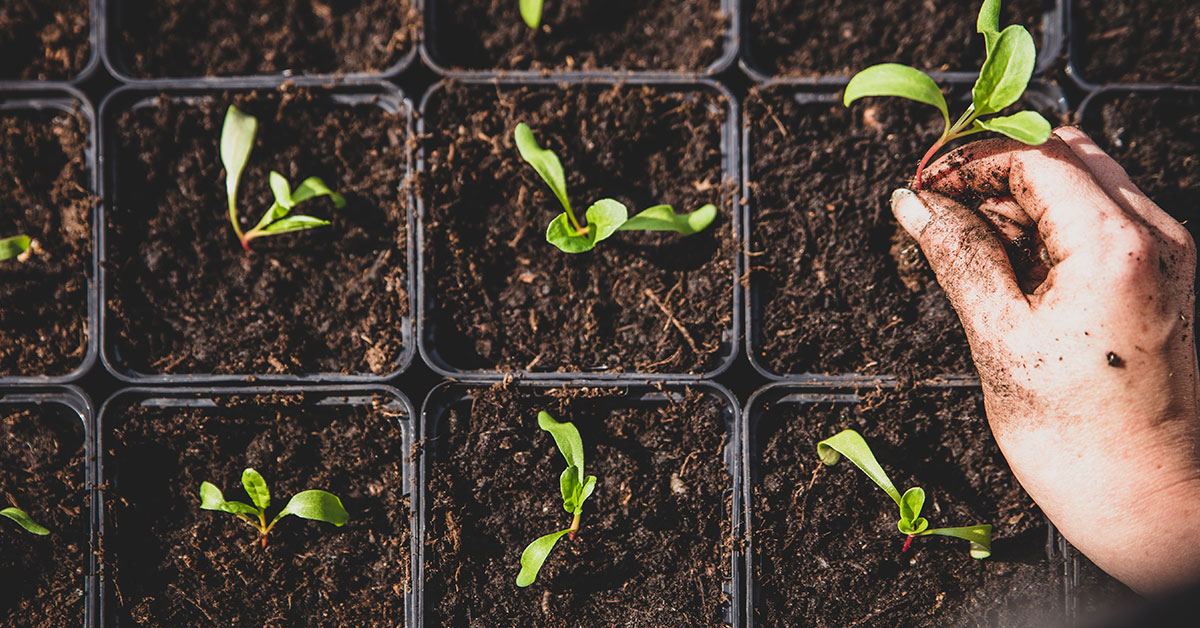

Minerva Arugula is a culinary gem that has captured the hearts and palates of herb enthusiasts around the globe. With its peppery taste and delicate leaves, this delightful green is not only a treat for the senses but also a beneficial addition to any garden.
Whether you are a seasoned gardener or a beginner looking to embark on your horticultural journey, join us as we uncover the secrets of growing, caring for, and savoring the delightful Minerva Arugula. Get ready to ignite your taste buds and enhance your culinary adventures with this versatile and aromatic herb.
What is a Minerva Arugula?
Minerva Arugula, also known as Eruca sativa ‘Minerva,’ is a variety of arugula that is popular among gardeners and culinary enthusiasts. It is a member of the Brassicaceae family, which includes other leafy greens like kale, cabbage, and mustard greens. Minerva Arugula features elongated, narrow leaves that are deeply lobed and have a distinctive peppery flavor. The leaves are typically dark green in color, with a slightly glossy appearance.
It grows in a rosette pattern, forming a compact and bushy plant that can reach a height of 8-12 inches. This arugula variety is known for its fast growth and ability to tolerate a wide range of growing conditions. It can be grown in containers, raised beds, or directly in the ground, making it suitable for both small and large gardens. Minerva Arugula prefers cool seasons and thrives in full sunlight or partial shade. One of the advantages of growing Minerva Arugula is its quick maturity.
The leaves can be harvested as baby greens in as little as 25-30 days after sowing the seeds. If left to mature, the plant will develop larger leaves with a stronger, more robust flavor. In addition to its culinary uses, Minerva Arugula is also valued for its nutritional content. It is a rich source of vitamins A, C, and K, as well as folate, calcium, and iron.
The leaves can be enjoyed raw in salads, sandwiches, or as a garnish, or they can be lightly cooked to mellow the peppery flavor. Overall, Minerva Arugula is a versatile and flavorful green that is relatively easy to grow. With its attractive appearance and delicious taste, it is a great addition to any garden or kitchen.
What does Minerva Arugula taste like?
Minerva Arugula has a unique and distinct taste that sets it apart from other varieties of arugula. It is known for its peppery, slightly bitter, and tangy flavor profile. The leaves have a robust and pungent taste, with a hint of nuttiness that adds depth to its overall flavor.
The peppery notes are reminiscent of a radish or mustard greens, providing a pleasant and zesty sensation on the palate. The bitterness is mild and balances well with the other flavors, giving it a refreshing and invigorating quality.
Additionally, Minerva Arugula has a subtle earthiness that complements its spiciness, which makes it a versatile ingredient in various culinary preparations. Its complex flavor profile adds depth and interest to salads, sandwiches, pizzas, pastas, and even pesto sauces.
Overall, Minerva Arugula offers a delightful and vibrant taste that excites the taste buds and adds a distinct character to any dish it is incorporated into.
How to start from seed
Starting Minerva arugula from seeds is a relatively simple process. Here’s a step-by-step guide to help you get started:
- Choose the right time: Arugula is a cool-season crop, so it’s best to start planting it in early spring or late summer/early fall when the temperatures are mild. This will help prevent the plants from bolting, which means they prematurely go to seed.
- Prepare the soil: Arugula prefers well-drained, fertile soil. Start by removing any weeds or debris from the planting area. Loosen the soil using a garden fork or tiller, and mix in some compost or well-rotted manure to improve fertility and drainage.
- Sow the seeds: Arugula seeds are small and should be sown directly into the prepared soil. You can scatter the seeds thinly over the surface or create shallow rows spaced about 12 inches apart. Gently press the seeds into the soil using your fingers, ensuring good seed-to-soil contact.
- Watering: After sowing the seeds, water the area gently to settle the soil and provide moisture for germination. Keep the soil consistently moist, but not overly saturated, throughout the growing season. Regular watering is essential for healthy growth.
- Thinning: Once the seedlings emerge and develop their first true leaves, thin them out to provide sufficient space for each plant to grow. Aim for a spacing of about 6-8 inches between plants to allow proper airflow and prevent overcrowding.
- Care and maintenance: Arugula is relatively low-maintenance, but there are a few things to keep in mind. Regularly weed the area around the plants to prevent competition for nutrients and water. Additionally, applying a layer of organic mulch around the plants can help conserve moisture and inhibit weed growth.
- Harvesting: Minerva arugula is typically ready for harvest within about 30-40 days after sowing. You can start harvesting the outer leaves when they reach a length of 3-5 inches. Cut the leaves at the base, or harvest the whole plant if you prefer. Continual harvesting will encourage new growth.
Remember, arugula prefers cooler temperatures, so if you’re growing it during the summer, provide some shade and ensure adequate watering to prevent the plants from wilting or bolting. With proper care, you should be able to enjoy a bountiful harvest of Minerva arugula leaves.
Planting and growing Minerva Arugula
To plant and grow Minerva Arugula, you can follow these steps:
- Choose the right time: Minerva Arugula is a cool-season crop, so it’s best to plant it in early spring or fall when the temperatures are between 45°F (7°C) and 65°F (18°C).
- Select a suitable location: Pick a spot in your garden that receives full sun or partial shade. The soil should be well-draining and rich in organic matter.
- Prepare the soil: Remove any weeds or debris from the planting area. Loosen the soil to a depth of about 6-8 inches (15-20 cm) using a garden fork or tiller. Incorporate compost or well-rotted organic matter to enhance soil fertility.
- Sow the seeds: Sprinkle the Minerva Arugula seeds evenly over the prepared soil. Space them about 1 inch (2.5 cm) apart and cover them with a thin layer of soil, approximately 1/4 inch (0.6 cm) deep. Gently pat the soil to ensure good seed-to-soil contact.
- Watering: Keep the soil consistently moist but not waterlogged. Water the seeds gently after sowing, and continue to water regularly, especially during dry spells. Avoid overwatering, as it can lead to disease or rot.
- Thinning: Once the seedlings emerge and reach a height of 2-3 inches (5-7.5 cm), thin them out by removing the weaker plants, leaving the strongest ones spaced about 6-8 inches (15-20 cm) apart. This gives them enough room to grow and prevents overcrowding.
- Fertilization: Minerva Arugula doesn’t require excessive fertilization. However, you can apply a balanced organic fertilizer once or twice during the growing season to provide additional nutrients. Follow the package instructions for the appropriate dosage.
- Mulching: Apply a layer of organic mulch around the plants to help retain soil moisture, suppress weed growth, and regulate soil temperature. Straw, shredded leaves, or compost can be used as mulch.
- Harvesting: Minerva Arugula can be harvested when the leaves reach about 2-3 inches (5-7.5 cm) in length. You can either harvest the entire plant by cutting it at the base or selectively pick individual leaves as needed. Regular harvesting encourages continuous growth and prevents the plants from bolting (going to seed).
- Pests and diseases: Keep an eye out for common pests like flea beetles or aphids. If necessary, use organic pest control methods such as insecticidal soap or neem oil. Minerva Arugula is relatively resistant to diseases, but proper spacing, good airflow, and avoiding overhead watering can help prevent issues.
By following these steps, you should be able to successfully plant and grow Minerva Arugula in your garden. Enjoy the fresh and peppery flavor of your homegrown greens!
When to harvest
The best time to harvest Minerva Arugula is when the leaves are young and tender, typically around 4 to 6 weeks after sowing the seeds. The leaves should be about 2-3 inches long and have a vibrant green color. It is important to harvest the leaves before they start to flower, as the plant’s flavor can become bitter once it bolts. Regular harvesting of outer leaves will encourage continuous growth and production throughout the growing season.