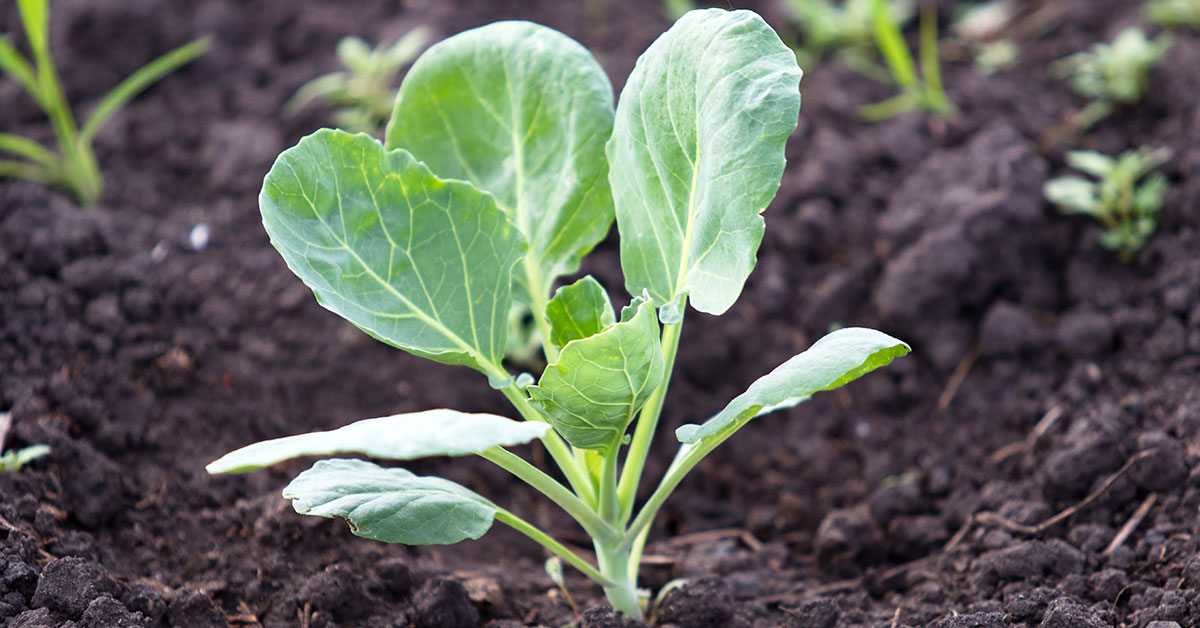

Michihili Cabbage, also known as Chinese Cabbage or Napa Cabbage, is a leafy green that has been cultivated and enjoyed for centuries. With its sweet flavor, crisp texture, and numerous health benefits, Michihili Cabbage has become a staple in many Asian cuisines.
Whether you are a seasoned gardener or a beginner, this article will provide you with all the information you need to successfully grow, care for, and harvest your own Michihili Cabbage. So, get ready to discover the incredible world of this leafy green and add a touch of Asian flair to your garden and dinner table!
What is a Michihili Cabbage?
Michihili cabbage, also known as Chinese cabbage or Napa cabbage, is a popular vegetable in Asian cuisine. It is a leafy green vegetable that belongs to the Brassica family, which includes other cruciferous vegetables like broccoli, cauliflower, and kale. Michihili cabbage has a long, cylindrical shape with tightly packed, elongated leaves. The leaves of Michihili cabbage are light green in color, with a slightly wrinkled texture.
They have a crisp and tender texture, making them versatile for various cooking methods. The flavor of Michihili cabbage is mild and slightly sweet, with a hint of bitterness. This cabbage variety is known for its high nutritional value. It is low in calories and fat, while being a good source of dietary fiber, vitamins, and minerals.
Michihili cabbage is particularly rich in vitamin C, vitamin K, potassium, and folate. In terms of cultivation, it is a cool-season crop that prefers well-drained soil and full sun exposure. It can be grown in the spring or fall, depending on the climate. This cabbage variety is relatively easy to grow, making it a favorite among home gardeners.
Michihili cabbage can be used in a variety of culinary preparations. It is commonly used in stir-fries, soups, salads, and pickling. It can also be fermented to make kimchi, a traditional Korean dish. The versatility and nutritional benefits of Michihili cabbage make it a valuable addition to any garden and kitchen.
What does Michihili Cabbage taste like?
The Michihili cabbage is known for its mild and sweet flavor. It has a crisp texture and tender leaves, making it a delight to eat both raw and cooked. When consumed raw, the cabbage leaves have a refreshing and slightly peppery taste, similar to that of a regular green cabbage. However, when cooked, the Michihili cabbage becomes sweeter and more delicate, with a subtle hint of nuttiness. Its flavor is often described as clean and mild, making it versatile for various culinary preparations. Whether used in salads, stir-fries, or soups, the Michihili cabbage adds a delightful and delicious taste to any dish.
How to start from seed
Starting Michihili cabbage from seeds is a relatively straightforward process. Here’s a step-by-step guide to help you get started:
- Seed selection: Obtain quality Michihili cabbage seeds from a reputable source. Make sure the seeds are fresh and viable for better germination rates.
- Germination: Fill a seed tray or small pots with seed-starting mix, which is a well-draining and sterilized soil medium. Moisten the soil to ensure it is evenly damp but not soggy. Sow the Michihili cabbage seeds on the surface of the soil, spacing them about half an inch apart.
- Covering the seeds: Gently press the seeds into the soil, but do not bury them too deeply as cabbage seeds require light to germinate. A good rule of thumb is to cover them with a thin layer of vermiculite or seed-starting mix, just enough to barely cover the seeds.
- Provide ideal conditions: Place the seed tray or pots in a warm location with temperatures around 70-75°F (21-24°C). Ensure the seeds receive ample indirect light, such as near a south-facing window or under grow lights. Maintain a consistent temperature and humidity level throughout the germination process.
- Watering: Keep the soil consistently moist by misting it regularly or using a bottom-watering tray. Avoid overwatering, as it may lead to damping-off disease or rotting of the seeds.
- Germination period: Michihili cabbage seeds typically germinate within 5-10 days, but it can vary based on temperature and seed quality. Be patient and continue to provide the necessary conditions.
- Transplanting: Once the seedlings have developed a few true leaves and are strong enough, usually after about 4-6 weeks, they are ready for transplanting. Before transplanting, harden off the seedlings by gradually exposing them to outdoor conditions for a week or two.
- Selecting a spot: Choose a sunny location in your garden with well-draining soil. Cabbage plants prefer slightly acidic soil with a pH of around 6.5-6.8.
- Transplanting process: Dig holes in the garden bed that are slightly larger than the root ball of the seedlings. Carefully remove each seedling from the seed tray or pot, being cautious not to damage the roots. Place the seedling in the hole, backfill with soil, and gently firm it around the base of the plant.
- Watering and care: After transplanting, water the seedlings thoroughly to settle the soil around the roots. Maintain consistent moisture, ensuring the soil doesn’t dry out completely. Water deeply as needed, providing about 1 inch of water per week. Mulching around the plants can help retain moisture and suppress weed growth.
- Fertilization: Apply a balanced vegetable fertilizer according to the manufacturer’s instructions to provide necessary nutrients for healthy growth. Additionally, side-dress the plants with compost or well-rotted manure halfway through the growing season.
- Pest and disease management: Monitor your cabbage plants regularly and take necessary action against pests, such as cabbage worms or aphids. Applying organic pest control methods or using insecticidal soaps can help manage these pests. Additionally, be on the lookout for common cabbage diseases like clubroot or black rot and take appropriate measures if detected.
With proper care and attention, your Michihili cabbage plants should thrive and provide you with delicious and nutritious heads of cabbage.
Planting and growing Michihili Cabbage
Planting and growing Michihili cabbage involves several steps. Here’s a guide to help you:
- Choose the right time: Michihili cabbage is a cool-season crop, so it’s best to plant it in early spring or late summer. Make sure the soil temperature is between 60-70°F (15-21°C) for optimal germination.
- Select a suitable location: Choose a sunny spot in your garden with well-draining soil. Michihili cabbage prefers a slightly acidic soil pH of 6.0-6.8.
- Prepare the soil: Clear the planting area of any weeds or debris. Loosen the soil to a depth of 8-12 inches (20-30 cm) using a garden fork or tiller. Incorporate organic matter like compost or well-rotted manure to improve soil fertility and drainage.
- Start seeds indoors (optional): If you want an early start, you can start the Michihili cabbage seeds indoors 4-6 weeks before the last frost date. Sow the seeds in seedling trays or small pots filled with seed-starting mix. Keep the soil consistently moist and provide adequate light until the seedlings are ready for transplanting.
- Direct sowing: Michihili cabbage can also be directly sown into the garden. Plant the seeds ¼ to ½ inch (0.6-1.3 cm) deep, spacing them about 18-24 inches (45-60 cm) apart in rows. You can thin the seedlings later to maintain proper spacing.
- Watering: Keep the soil consistently moist but not waterlogged. Cabbage plants need about 1 inch (2.5 cm) of water per week. Water deeply at the base of the plant, avoiding wetting the foliage as it can lead to disease issues.
- Fertilization: Cabbage is a heavy feeder, so it’s essential to provide adequate nutrition. Before planting, incorporate a balanced fertilizer or compost into the soil. Additionally, side-dress the plants with a nitrogen-rich fertilizer once they start forming heads.
- Pest and disease control: Keep an eye out for common cabbage pests like aphids, cabbage worms, and flea beetles. Use organic pest control methods like handpicking, neem oil, or insecticidal soap. Protect young plants with row covers to prevent pest infestations. Regularly inspect the plants for signs of diseases like clubroot, black rot, or cabbage yellows and take appropriate action if needed.
- Harvesting: Michihili cabbage takes approximately 75-90 days from planting to harvest. Harvest the cabbage heads when they reach maturity and feel firm. Cut the head at the base using a sharp knife, leaving a few outer leaves intact for protection.
By following these steps, you should be able to successfully plant and grow Michihili cabbage in your garden. Happy gardening!
When to harvest
The best time to harvest Michihili Cabbage is when the heads are firm and fully formed. This typically occurs around 70-90 days after planting. You can check the readiness of the cabbage by gently squeezing the head. If it feels solid and dense, it is ready to be harvested. Additionally, the outer leaves may start to turn slightly yellow or wilt, which is another indication that it is time to harvest.