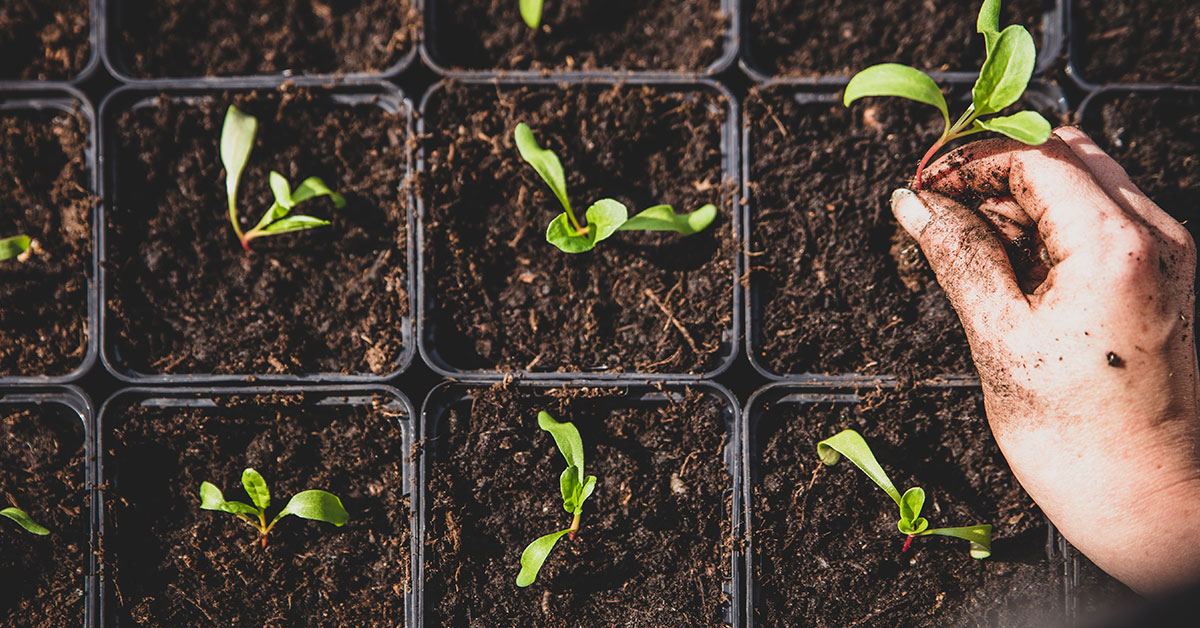

If you’re looking to add a burst of flavor and a touch of sophistication to your culinary creations, then Mediterranean arugula is a must-have in your garden. Known for its peppery taste and delicate, lacy leaves, Mediterranean arugula, also known as rocket or roquette, is a staple in Mediterranean cuisine and has gained popularity worldwide.
In this article, we will explore the fascinating history, growing techniques, and culinary uses of this captivating herb. Whether you’re a seasoned gardener or a beginner, get ready to embark on a journey of discovering the wonders of Mediterranean arugula and how it can elevate your gardening and cooking experiences to a whole new level.
What is a Mediterranean Arugula?
Mediterranean arugula, also known as Mediterranean rocket, is a popular salad green and herb that belongs to the Brassicaceae family. It is native to the Mediterranean region, hence the name. This variety of arugula is known for its peppery and slightly bitter flavor, which adds a unique and refreshing taste to salads, sandwiches, and various other dishes. Mediterranean arugula has distinct elongated, lobed, and deeply serrated leaves that are dark green in color. The leaves are smaller and more delicate compared to traditional arugula varieties.
The plant itself is relatively compact, growing to a height of about 6-12 inches (15-30 cm), making it suitable for container gardening or small garden spaces. This arugula variety thrives in warm and dry climates, similar to its native Mediterranean habitat. It prefers full sun exposure but can tolerate partial shade as well. Mediterranean arugula is known for its ability to withstand heat and drought, making it a great choice for gardeners in regions with hot summers.
When it comes to cultivation, Mediterranean arugula is relatively easy to grow. It prefers well-draining soil enriched with organic matter and benefits from regular watering. The plant can be directly sown in the garden or started indoors and transplanted once the seedlings are strong enough. It generally takes around 40-50 days for the leaves to reach harvestable size. To harvest Mediterranean arugula, you can either pick individual leaves as needed or cut the entire plant at the base, allowing it to regrow. It’s important to harvest the leaves when they are young and tender for the best flavor.
Regular harvesting also helps to promote continuous growth. In addition to being a flavorful addition to salads, Mediterranean arugula is also packed with essential nutrients. It is a good source of vitamins A, C, and K, as well as minerals like calcium and iron. The leaves are also known to have various health benefits, including antioxidant and anti-inflammatory properties.
Overall, Mediterranean arugula is a versatile and tasty green that can be easily grown in home gardens. Its distinct flavor and adaptability to warm climates make it a popular choice for gardeners looking to add a touch of the Mediterranean to their culinary adventures.
What does Mediterranean Arugula taste like?
Mediterranean arugula, also known as rocket or rucola, has a unique and distinct taste that sets it apart from other leafy greens. It is known for its peppery, slightly bitter flavor that adds a delightful kick to salads, sandwiches, and various dishes.
The taste of Mediterranean arugula is often described as spicy, with a hint of nuttiness. It has a robust, earthy flavor that intensifies as the leaves mature. The younger leaves tend to be milder and less peppery, while the mature leaves have a more pronounced spiciness.
When you take a bite of Mediterranean arugula, you’ll immediately notice its zesty and tangy notes. It leaves a refreshing, almost cooling sensation on the palate, making it a versatile ingredient in many culinary preparations.
The combination of its strong, peppery taste and crisp texture makes Mediterranean arugula a popular choice for salads, where it can provide a delightful contrast to other ingredients. It pairs well with citrus fruits, tomatoes, cheeses, and even meats like grilled chicken or steak.
Overall, the taste of Mediterranean arugula is bold, vibrant, and full of character. Its unique flavor profile adds depth and complexity to dishes, making it a favorite among those who appreciate a touch of spiciness in their meals.
How to start from seed
Starting Mediterranean arugula, also known as rocket or roquette, is a relatively simple process. Here is a step-by-step guide to help you get started:
- Choose the right time: Mediterranean arugula thrives in cooler temperatures, so it’s best to start growing it in early spring or late summer. Avoid extreme heat as it can cause the arugula to bolt or become bitter.
- Select a location: Mediterranean arugula prefers full sun but can tolerate partial shade. Choose a well-drained area in your garden or a large pot if you’re growing it indoors or on a balcony.
- Prepare the soil: Arugula prefers fertile, loamy soil with a pH between 6.0 and 7.0. Before planting, amend the soil with organic matter such as compost or well-rotted manure to improve its fertility and drainage.
- Sow the seeds: Scatter the arugula seeds directly onto the soil surface or in rows about 1/4 inch deep. Space the seeds about 1 inch apart, as arugula plants don’t require much space to grow.
- Watering: Arugula needs consistent moisture to germinate and grow, so water the seeds immediately after planting. Keep the soil evenly moist during germination and throughout the growing season. Avoid overwatering, as this can lead to disease problems or root rot.
- Thinning: Once the arugula seedlings have grown to a few inches tall, thin them out by removing some of the plants. Aim for a spacing of about 4-6 inches between plants to provide enough room for them to develop fully.
- Fertilizing: Arugula is a fast-growing plant that benefits from regular feeding. Apply a balanced organic fertilizer or a slow-release granular fertilizer according to the package instructions. Avoid using excessive nitrogen-rich fertilizers, as they can cause the leaves to become overly pungent or bitter.
- Harvesting: Mediterranean arugula leaves can be harvested when they reach a desired size, usually around 4-6 weeks after planting. Harvest the outer leaves first, leaving the inner leaves to continue growing. Regular harvesting promotes continuous leaf production.
- Pests and diseases: Arugula is relatively resistant to pests and diseases. However, keep an eye out for common garden pests like aphids, flea beetles, or snails. If necessary, use organic pest control methods such as handpicking or applying insecticidal soap.
- Succession planting: To enjoy a continuous harvest, consider succession planting. Sow new arugula seeds every few weeks to ensure a steady supply of fresh leaves throughout the growing season.
By following these steps, you should be able to successfully start and grow your own Mediterranean arugula. Enjoy the fresh and peppery flavor of this delicious green in your salads, sandwiches, or as a garnish!
Planting and growing Mediterranean Arugula
To plant and grow Mediterranean arugula, also known as Mediterranean rocket or Eruca sativa, follow these steps:
- Choose the right location: Mediterranean arugula prefers full sun, but it can tolerate partial shade. Ensure that the area has well-draining soil.
- Prepare the soil: Loosen the soil to a depth of around 6 inches (15 cm) using a garden fork or tiller. Remove any weeds, rocks, or debris from the area. Amend the soil with compost or well-rotted manure to improve its fertility and drainage.
- Sow the seeds: Scatter the Mediterranean arugula seeds directly onto the prepared soil. Space the seeds about 1 inch (2.5 cm) apart. You can also sow the seeds in rows, leaving around 6 inches (15 cm) between each row.
- Cover and water: Lightly cover the seeds with a thin layer of soil or vermiculite. Gently water the area to ensure the seeds are moist. Avoid overwatering, as it may cause the seeds to rot.
- Maintain moisture: Keep the soil consistently moist during the germination period, which usually takes around 7-10 days. Water the plants regularly, especially during dry periods. However, avoid waterlogging the soil, as it can lead to root rot.
- Thin the seedlings: Once the seedlings have grown a few inches tall, thin them out to provide enough space for each plant to grow. Thin the seedlings to a spacing of around 6-8 inches (15-20 cm) apart.
- Fertilize: Mediterranean arugula is a fast-growing plant that benefits from regular feeding. Apply a balanced organic fertilizer every 4-6 weeks to promote healthy growth and abundant foliage.
- Harvesting: Mediterranean arugula can be harvested when the leaves are young and tender, usually around 4-6 weeks after sowing. You can either harvest individual leaves or cut the entire plant at ground level. Regular harvesting encourages new growth and prolongs the harvest period.
- Pests and diseases: Mediterranean arugula is generally resistant to pests and diseases. However, watch out for aphids, flea beetles, and slugs. Handpicking or using organic pest control methods can help manage these issues if they arise.
- Succession planting: To enjoy a continuous supply of fresh arugula leaves, consider succession planting. Sow new seeds every few weeks to ensure a steady harvest throughout the growing season.
Remember to enjoy the peppery flavor of Mediterranean arugula in salads, sandwiches, or garnish.
When to harvest
The best time to harvest Mediterranean Arugula is when the leaves are young and tender, typically around 40 to 50 days after sowing the seeds. Arugula is a fast-growing plant, and you can start harvesting leaves as soon as they reach a size that suits your taste preferences. The leaves should be vibrant green and have a slightly peppery flavor. Harvesting in the early morning or late afternoon when the temperatures are cooler can help preserve the flavor and freshness of the leaves. It’s important to regularly harvest the outer leaves while allowing the inner leaves to continue growing, as this will promote continuous leaf production throughout the growing season.