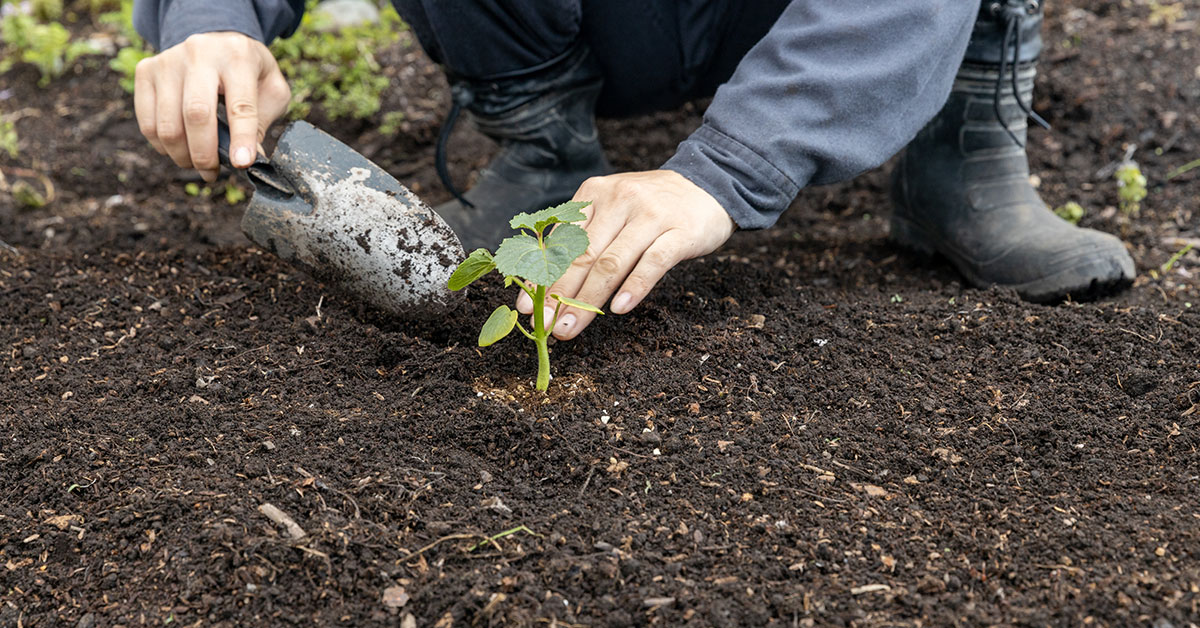

Are you a gardening enthusiast in Missouri looking to grow okra in your backyard? Well, you’ve come to the right place! In this article, we will discuss the best time to plant okra in Missouri, taking into consideration the unique climate and growing conditions of the region.
Okra, a warm-season vegetable known for its delicious pods, thrives in hot temperatures and requires a long growing season to reach its full potential. By understanding the ideal planting window and following some key tips, you’ll be well on your way to a bountiful okra harvest in no time. So, let’s dive in and discover the optimal time to sow okra seeds in Missouri and set yourself up for a successful gardening experience.
Best varieties of Okra to grow in Missouri
In Missouri, some good varieties of okra that perform well include:
- Clemson Spineless: This is a popular variety known for its high yield and tender pods. It is resistant to diseases and adapts well to Missouri’s climate.
- Emerald: This variety produces dark green, spineless pods that stay tender even when they reach a larger size. It is known for its excellent flavor and productivity.
- Louisiana Green Velvet: This variety is well-suited to Missouri’s hot and humid climate. It produces large, ribbed pods that are tender and flavorful.
- Annie Oakley II: This is a newer variety that is known for its disease resistance, including resistance to root-knot nematodes. It produces dark green pods that are both tender and delicious.
- Jambalaya: This variety is a good choice for Missouri as it has good disease resistance and produces an abundant harvest. The pods are tender and flavorful.
Remember to plant okra seeds or transplants after the danger of frost has passed and the soil has warmed up, usually around late spring or early summer. Okra plants prefer full sun and well-drained soil. Regular watering and fertilizing will help ensure healthy growth and a bountiful harvest.
When to plant Okra in Missouri
Missouri is divided into several hardiness zones, which provide valuable information for gardeners about the specific climate conditions in different regions. The hardiness zones in Missouri range from zone 4b in the north to zone 7a in the south. These zones are determined based on the average annual minimum winter temperatures.
When it comes to planting Okra in Missouri, it is important to consider both the hardiness zone and the specific characteristics of this heat-loving plant. Okra is a warm-season vegetable that thrives in hot and humid climates. It requires a long growing season with ample sunlight and warm soil temperatures.
In Missouri, the best time to plant Okra is after the last frost date, which usually falls between mid-April to early May in most regions. By this time, the soil has warmed up, and the danger of frost has passed. Planting Okra too early can result in poor germination or stunted growth, as this plant is sensitive to cold temperatures.
To ensure successful growth, it is recommended to start Okra seeds indoors 4-6 weeks before the last frost date. This will give the plants a head start and allow them to reach a more suitable size for transplanting. Once the soil has warmed up and the risk of frost has diminished, you can transplant the seedlings into your garden.
When planting Okra, choose a location that receives full sun for at least 6-8 hours a day. The soil should be well-draining, fertile, and rich in organic matter. Okra plants prefer a slightly acidic soil with a pH level around 6.0-6.8.
When transplanting the seedlings, make sure to space them properly, allowing about 12-18 inches between each plant. This will provide enough room for the plants to grow and spread out. It is also beneficial to add a layer of mulch around the base of the plants to help retain moisture and suppress weed growth.
Throughout the growing season, make sure to water the Okra plants regularly, especially during dry spells. Adequate moisture is crucial for the development of healthy and productive plants. Additionally, it is advisable to fertilize the plants every 4-6 weeks with a balanced organic fertilizer to provide them with the necessary nutrients.
Harvesting Okra can begin around 50-60 days after planting, depending on the variety. It is best to harvest the pods when they are 2-4 inches long and still tender. Regular harvesting encourages the production of more pods and helps to prevent them from becoming tough and woody.
By following these guidelines and considering the specific hardiness zone and planting recommendations, you can successfully grow Okra in your Missouri garden and enjoy a bountiful harvest.
When to harvest Okra in Missouri
The optimal time to harvest okra in Missouri is typically from mid-July to early October. Okra plants thrive in warm weather and require temperatures consistently above 60°F (15°C) for optimal growth. It is important to wait until the okra pods reach the desired size before harvesting. The pods are usually ready to harvest when they are around 3-4 inches long and still tender. Harvesting regularly, every 2-3 days, promotes continuous production. Be sure to wear gloves and use a sharp knife or pruners to avoid damaging the plant.
Other considerations
When growing okra in Missouri, there are a few additional considerations to keep in mind:
- Planting Time: Okra is a warm-season vegetable that thrives in hot temperatures. It is essential to wait until after the last frost date in Missouri, which usually occurs in mid to late April, before planting okra seeds or transplants.
- Variety Selection: Choose okra varieties that are well-suited for Missouri’s climate. Some recommended varieties for Missouri include Clemson Spineless, Emerald, and Annie Oakley II. These varieties are known for their heat tolerance and productivity.
- Soil Preparation: Okra prefers well-drained soil with a pH range of 6.0 to 6.8. Before planting, amend the soil with organic matter, such as compost or well-rotted manure, to improve its fertility and drainage.
- Sunlight and Location: Okra requires full sun exposure to produce a good yield. Choose a location in your garden that receives at least 6-8 hours of direct sunlight daily.
- Watering: Okra plants have deep taproots that help them access water from deeper in the soil. However, during hot and dry periods, regular watering is necessary to ensure healthy growth and prevent stress. Water deeply once or twice a week, providing around 1 inch of water each time.
- Mulching: Applying a layer of organic mulch, such as straw or wood chips, around the base of okra plants can help conserve moisture, suppress weed growth, and maintain more even soil temperatures.
- Pest and Disease Management: Keep an eye out for common pests that may attack okra plants, such as aphids, flea beetles, and stink bugs. Regularly inspect your plants and take appropriate measures, such as handpicking or using organic insecticides, if necessary. Additionally, watch for signs of diseases like powdery mildew or root rot and take appropriate action to prevent their spread.
- Harvesting: Okra pods should be harvested when they are tender but still firm, typically around 3-4 inches in length. Harvesting regularly encourages continuous production, as the plants will keep producing new pods as long as they are picked regularly.
By considering these factors and providing proper care, you can increase your chances of successfully growing okra in Missouri.