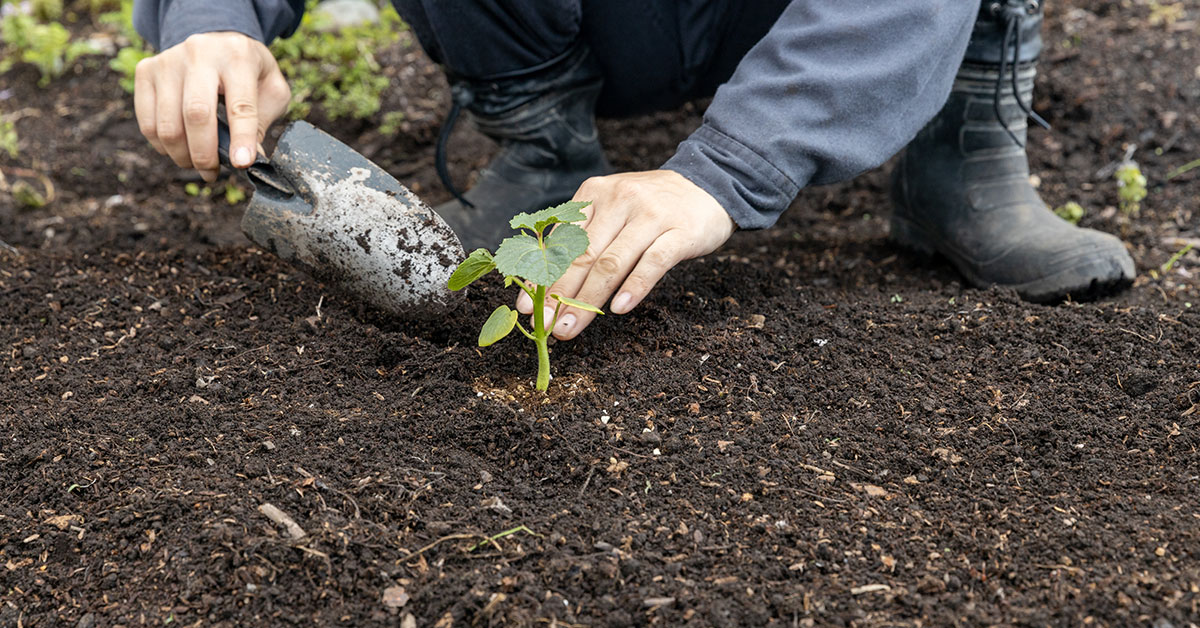

Welcome to the world of gardening in Minnesota! If you’re considering adding the versatile and heat-loving okra (Abelmoschus esculentus) to your garden, you’ve come to the right place. While Minnesota’s climate may pose some challenges for growing warm-season crops like okra, with the right timing and techniques, you can successfully cultivate this delicious and nutritious vegetable. In this article, we will explore the best time to plant okra in Minnesota, taking into account the state’s short growing season and cooler temperatures.
By following our expert advice, you’ll be well on your way to enjoying a bountiful harvest of tender and flavorful okra pods.
Best varieties of Okra to grow in Minnesota
In Minnesota, due to the shorter growing season and cooler temperatures, it is important to choose varieties of okra that have a shorter maturity period and are more tolerant to cooler conditions. Here are a few good varieties that perform well in Minnesota:
- Clemson Spineless: This is a classic variety that is widely grown. It produces high yields of tender, spineless pods. It has a maturity period of around 55-60 days, making it suitable for the shorter growing season in Minnesota.
- Emerald: This variety is known for its dark green pods and excellent flavor. It has a maturity period of around 50-55 days, making it one of the quickest maturing okra varieties available.
- Annie Oakley II: This variety is compact and perfect for container gardening. It produces good yields of tender, spineless pods. It has a maturity period of around 50-55 days.
- Jambalaya: This variety is known for its early maturity and abundant yield. It produces medium-sized, spineless pods. It has a maturity period of around 50-55 days.
- Cajun Delight: This variety is disease-resistant and performs well in cooler climates. It produces tender, spineless pods and has a maturity period of around 55-60 days.
Remember to provide these okra varieties with full sun, rich soil, and consistent moisture for optimal growth and yield.
When to plant Okra in Minnesota
In Minnesota, the state’s hardiness zones play a crucial role in determining the most suitable plants to grow. The United States Department of Agriculture (USDA) has divided Minnesota into four main hardiness zones – 3a, 3b, 4a, and 4b. These zones are based on the average annual minimum winter temperatures experienced in different regions of the state.
When it comes to planting okra, it’s important to consider the specific hardiness zone you reside in. Okra is a warm-season crop that thrives in hot and humid climates, typically found in zones 7 and above. Unfortunately, Minnesota’s cooler climate falls well below these zones. However, with some careful planning and techniques, it is still possible to grow okra successfully in Minnesota.
To grow okra in Minnesota, it is recommended to start the seeds indoors about 6-8 weeks before the last expected frost date. This allows enough time for the plants to develop and be transplanted outdoors when the weather warms up. In Minnesota, the last frost date typically falls between late April and mid-May, depending on your specific location within the state.
Once the last frost has passed, and the soil temperature has reached a consistent range of 65-75°F (18-24°C), it is safe to transplant the okra seedlings into your garden. Make sure to choose a sunny spot with well-drained soil for optimal growth.
It’s important to note that okra requires a longer growing season to reach maturity and produce a good harvest. In Minnesota, where the growing season is relatively shorter, it is advisable to select early-maturing or dwarf varieties of okra. These varieties tend to have a shorter time to maturity, allowing you to harvest before the first frost arrives in the fall.
To extend the growing season and provide additional warmth, you can also utilize techniques such as using raised beds, black plastic mulch, or row covers. These methods help trap heat and create a more favorable environment for okra growth.
Overall, while growing okra in Minnesota may present some challenges due to the cooler climate, it is still possible to enjoy a successful harvest with proper planning, early seed starting, and the selection of suitable varieties.
When to harvest Okra in Minnesota
In Minnesota, the optimal time to harvest okra is typically in late summer or early fall, when the plants have had enough time to develop mature pods. Okra plants require warm temperatures and a long growing season to thrive. It is best to wait until the pods are around 2-3 inches long before harvesting. Harvesting too early may result in underdeveloped pods, while waiting too long can lead to tough and woody okra. Regularly check the plants for mature pods and harvest them every few days to encourage continuous production.
Other considerations
When growing Okra in Minnesota, there are a few additional considerations to keep in mind:
- Early-maturing varieties: Choose early-maturing varieties of Okra to ensure that they have enough time to mature before the first frost. Look for varieties with a shorter growing season, typically around 55-60 days.
- Soil temperature: Okra prefers warm soil, so it’s important to wait until the soil has warmed up to at least 60°F (15°C) before planting. You can use a soil thermometer to monitor the soil temperature.
- Raised beds or containers: Consider growing Okra in raised beds or containers. Raised beds allow for better soil drainage and heat absorption, which can help warm up the soil faster in cooler climates. Containers also offer the advantage of being portable, allowing you to move the plants indoors or in a greenhouse if the temperatures drop too low.
- Full sun exposure: Okra requires full sun exposure to thrive. Choose a location in your garden that receives at least 6-8 hours of direct sunlight daily.
- Wind protection: Okra plants can be quite tall and can be susceptible to wind damage. Consider planting them in a spot that is sheltered from strong winds or use windbreaks such as fences or tall plants to provide protection.
- Adequate spacing: Give Okra plants enough space to grow and spread out. Plant them at least 12-18 inches apart to allow for proper air circulation and prevent overcrowding.
- Regular watering: Okra plants require consistent moisture, especially during hot and dry periods. Water them regularly, aiming to keep the soil evenly moist but not waterlogged. Mulching around the plants can help retain moisture and suppress weed growth.
- Pest and disease management: Keep an eye out for common pests like aphids, flea beetles, and spider mites, as well as diseases such as powdery mildew and root rot. Monitor your plants regularly and take appropriate measures, such as using organic insecticides or fungicides, if necessary.
By considering these factors, you can increase your chances of successfully growing Okra in Minnesota’s cooler climate.