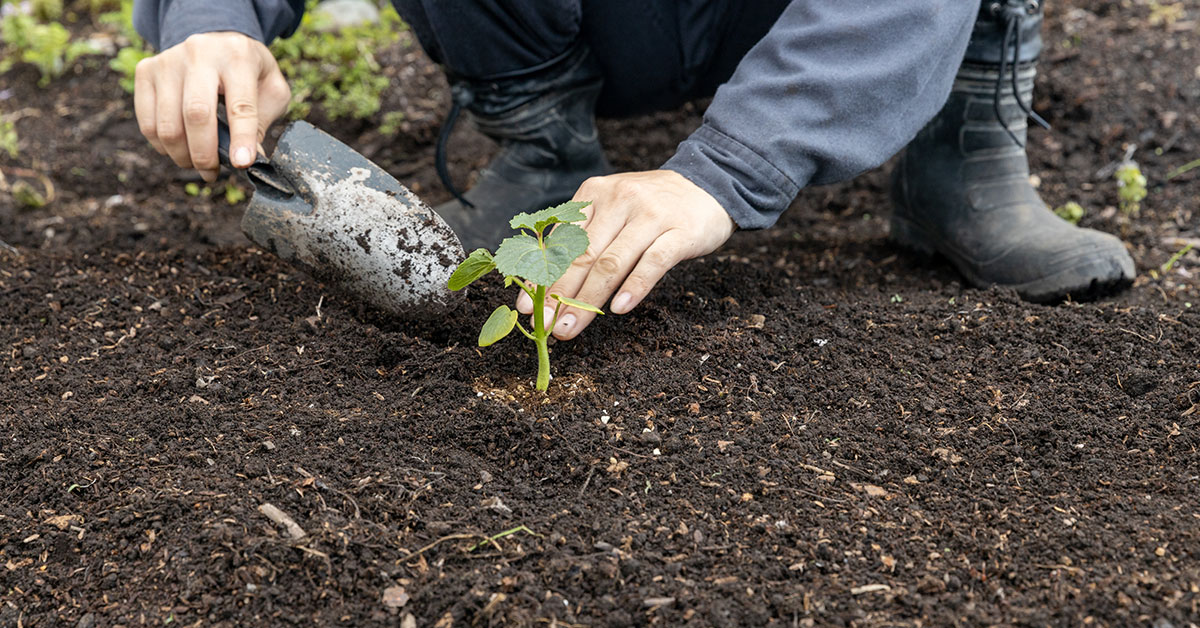

When should you plant Okra in Maryland? In this article, we’ll guide you on the best time to get this warm weather crop planted. If you’re a Maryland resident eager to cultivate your own fresh vegetables, look no further than the versatile and nutritious okra.
This warm-season crop, adored for its tender pods and delicate flavor, thrives in the state’s temperate climate. However, to ensure a successful harvest, understanding the best time to plant okra in Maryland is crucial.
Best varieties of Okra to grow in Maryland
There are several varieties of Okra that perform well in Maryland’s climate. Here are a few recommendations:
- Clemson Spineless: This is a popular variety known for its high yields and disease resistance. It produces tender pods that are spineless, making them easy to harvest.
- Annie Oakley II: This variety is known for its early maturity and vigorous growth. It produces dark green pods that are tender and flavorful.
- Emerald Green Velvet: This variety is known for its dark green, velvety pods. It is a high-yielding variety that performs well in warm climates like Maryland.
- Louisiana Green Velvet: Similar to Emerald Green Velvet, this variety produces dark green pods with a velvety texture. It is a heat-tolerant variety that thrives in Maryland’s hot summers.
- Jambalaya: This variety is relatively new but has gained popularity due to its disease resistance and high yields. It produces green pods that are tender and flavorful.
Remember to provide adequate water, sunlight, and space for your Okra plants to thrive. Happy gardening!
When to plant Okra in Maryland
Maryland, like most states, is divided into multiple hardiness zones to help gardeners determine which plants are most likely to thrive in their specific region. The hardiness zones in Maryland range from zone 5b in the western mountainous regions to zone 7a in the southern coastal areas. These zones are determined by factors such as average minimum winter temperatures.
When it comes to planting Okra (Abelmoschus esculentus) in Maryland, it is important to consider the specific hardiness zone you are in. Okra is a warm-season vegetable that prefers a long, hot growing season. It thrives in areas with a long frost-free period, which Maryland typically provides.
The best time to plant Okra in Maryland is after the danger of frost has passed and the soil temperature has warmed up. In most parts of the state, this occurs around mid to late May. However, it is always a good idea to check your local weather patterns and soil temperature to ensure optimal planting conditions.
Before planting, prepare the soil by adding organic matter, such as compost, to improve fertility and drainage. Okra plants prefer well-drained soil with a pH range of 6.0-6.8.
When planting Okra, sow the seeds directly into the garden soil, as they do not transplant well due to their sensitive root systems. Plant the seeds about 1 inch deep and 12-18 inches apart, leaving enough space for the plants to grow. Okra plants can reach a height of 3-6 feet, so ensure they have enough room to spread.
Okra requires full sun, at least 6-8 hours of direct sunlight per day, to thrive. It also needs regular watering, especially during dry spells, to keep the soil consistently moist. Mulching around the plants can help retain moisture and suppress weeds.
Harvesting Okra can begin around 50-60 days after planting, depending on the variety. Harvest the pods when they are around 3-4 inches long and still tender. Regular harvesting encourages the plant to produce more pods throughout the growing season.
In conclusion, the best time to plant Okra in Maryland is after the last frost, typically in mid to late May. Ensure the soil is warm and well-drained, and provide the plants with full sun and regular watering. With proper care, you can look forward to a bountiful Okra harvest in Maryland’s warm summer months.
When to harvest Okra in Maryland
The optimal time to harvest okra in Maryland is typically from mid to late summer, around 55-60 days after planting. Okra plants prefer warm weather, so make sure that the daytime temperatures consistently reach above 75°F (24°C) before harvesting. The pods should be firm, tender, and around 3-4 inches long for the best flavor and texture. It’s important to regularly check the okra plants as the pods can quickly become tough and fibrous if left on the plant for too long. Harvesting every 2-3 days is recommended to ensure you pick them at the perfect stage of ripeness.
Other considerations
When growing okra in Maryland, there are a few other considerations to keep in mind:
- Climate: Okra is a warm-season crop and requires a long growing season with consistently warm temperatures. In Maryland, it is best to wait until the soil has warmed up to at least 65°F before planting okra. The ideal temperature range for okra growth is between 75-95°F.
- Soil: Okra prefers well-draining, fertile soil with a pH level between 6.0-6.8. Before planting, amend the soil with organic matter, such as compost, to improve its fertility and drainage. Additionally, ensure the soil has good moisture retention capabilities as okra requires consistent moisture throughout its growing season.
- Sunlight: Okra thrives in full sun, so it is important to select a location that receives at least 6-8 hours of direct sunlight daily. Make sure there are no obstructions like trees or buildings that can shade the plants.
- Spacing: Give each okra plant enough space to grow and spread out. Plant the seeds or seedlings about 12-18 inches apart in rows that are spaced at least 3 feet apart. This spacing allows for good air circulation and prevents overcrowding, which can lead to disease and pest issues.
- Watering: Okra plants require consistent moisture, especially during dry periods. Water deeply and regularly, aiming to provide at least 1 inch of water per week. Avoid overwatering as it can lead to root rot and other fungal diseases. Mulching around the plants can help retain moisture and suppress weeds.
- Fertilization: Okra benefits from regular fertilization to promote healthy growth and fruit production. Before planting, incorporate a balanced organic fertilizer into the soil. Additionally, side-dress the plants with a nitrogen-rich fertilizer every 4-6 weeks during the growing season.
- Pest and Disease Management: Keep an eye out for common pests like aphids, flea beetles, and stink bugs, which can damage the plants and reduce yields. Regularly inspect the plants and use organic pest control methods if necessary. Okra is generally less susceptible to diseases, but it can be affected by fungal diseases such as powdery mildew. Maintain good air circulation, avoid overhead watering, and promptly remove any infected plant material to prevent disease spread.
- Harvesting: Harvest okra pods when they are young and tender, usually when they are 2-4 inches long. Harvesting regularly encourages the plant to produce more pods. Use a sharp knife or pruning shears to cut the pods from the plant, taking care not to damage the stem. Harvesting should be done every 2-3 days to ensure the pods are at their peak quality.
By considering these factors, you can increase your chances of successfully growing okra in Maryland and enjoy a bountiful harvest.