
Welcome to the world of gardening in Louisiana! If you’re a fan of warm-weather crops and are itching to grow some delicious and versatile okra in your garden, you’ve come to the right place. Louisiana’s climate is known for its hot and humid summers, which provide the perfect conditions for this beloved Southern vegetable to thrive. When should you plant Okra in Louisiana?
In this article, we will guide you through the best time to plant okra in Louisiana, taking into consideration the region’s unique weather patterns and ensuring that your plants have the best chance of flourishing. So grab your gardening gloves and let’s get started on this okra-growing adventure!
Best varieties of Okra to grow in Louisiana
In Louisiana, there are several varieties of okra that are well-suited to the climate and growing conditions. Here are a few recommended varieties:
- Clemson Spineless: This is a popular variety that is widely grown in Louisiana. It produces tender, spineless pods and is known for its high yield and disease resistance.
- Louisiana Green Velvet: This variety is specifically bred for Louisiana’s hot and humid climate. It is highly productive and produces dark green, smooth pods.
- Perkins Long Pod: This variety is known for its long, slender pods that are tender and flavorful. It is heat-tolerant and performs well in Louisiana’s growing conditions.
- Emerald: Emerald is a hybrid variety that is resistant to disease and produces high yields. It has dark green pods that are tender and delicious.
- Annie Oakley II: This variety is known for its early maturity and tolerance to heat and drought. It produces spineless pods that are tender and flavorful.
Remember to consider factors such as disease resistance, heat tolerance, and the specific characteristics you are looking for when choosing the right okra variety for your garden in Louisiana.
When to plant Okra in Louisiana
Louisiana, like many other states, follows the USDA Hardiness Zone Map to determine the suitable conditions for growing various plants. The state is divided into several different zones, ranging from Zone 8a to Zone 9a. These zones are determined by the average minimum winter temperatures and help gardeners understand which plants can thrive in their specific area.
When it comes to planting Okra in Louisiana, it is essential to consider the specific hardiness zone in which you reside. Okra is a warm-season vegetable that requires a long growing season and warm temperatures to thrive. In Louisiana, the best time to plant Okra is typically in late spring, after the danger of frost has passed and the soil has warmed up.
In Zone 8a, which covers the northern parts of Louisiana, it is generally safe to plant Okra around mid-April. However, it is recommended to monitor the local weather conditions and soil temperature before planting. If the soil is still cool, it is advisable to wait until it warms up to around 60°F (15°C) before sowing Okra seeds or transplanting seedlings.
In the southern parts of Louisiana, specifically in Zones 8b to 9a, the planting window for Okra is slightly earlier. In these zones, you can start planting Okra in early to mid-April, as the warmer climate allows for an extended growing season.
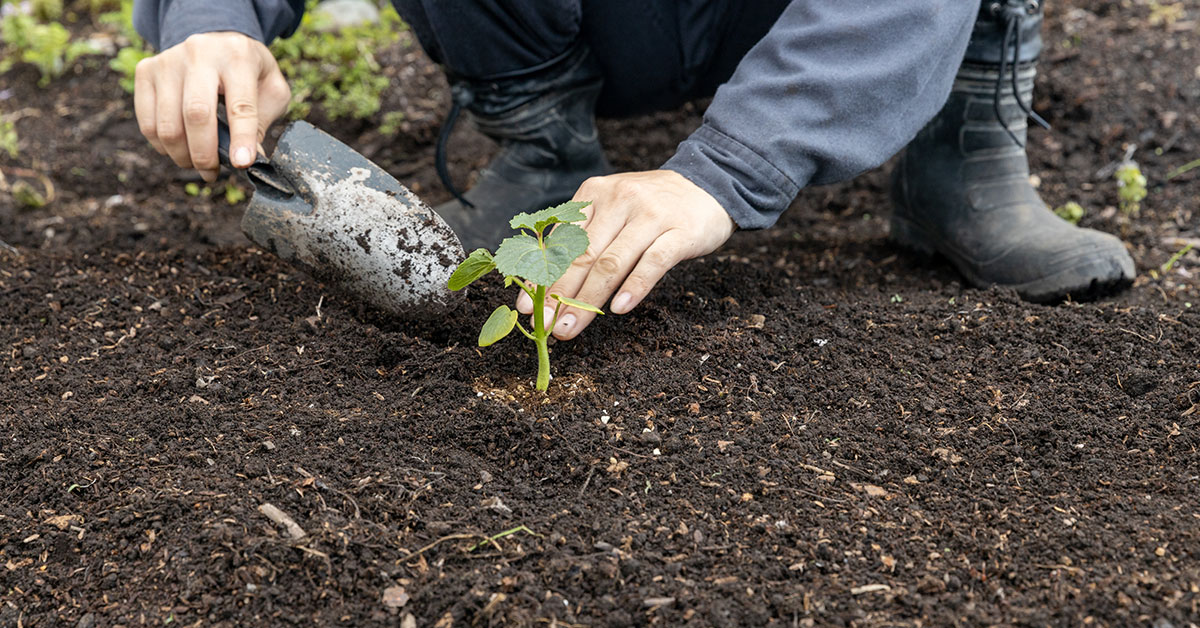
When planting Okra, choose a sunny location with well-drained soil. The seeds should be sown about 1 inch deep, spaced 12 to 18 inches apart. If you opt for transplanting seedlings, they should be around 4 to 6 inches tall before being planted outdoors.
Remember to provide regular watering, especially during the hot summer months, and consider adding organic matter or compost to improve soil fertility. Okra plants typically take around 55-65 days to reach maturity, and you can start harvesting the pods when they are about 2-3 inches long.
By following these guidelines and considering your specific hardiness zone, you can ensure successful Okra cultivation in Louisiana. Happy gardening!
When to harvest Okra in Louisiana
The optimal time to harvest okra in Louisiana is typically when the pods are young and tender, around 3-4 inches in length. Okra plants produce pods continuously throughout the growing season, so it’s best to check your plants regularly for mature pods. Harvesting should be done every 2-3 days to ensure you pick them at the right stage of maturity. It’s important not to let the pods get too large and tough, as they become less desirable for eating.
Other considerations
When growing okra in Louisiana, there are several additional considerations to keep in mind:
- Planting Time: Okra loves warm weather, so it’s important to plant it when the soil temperature reaches around 65°F to 70°F (18°C to 21°C). In Louisiana, this usually means planting okra in late April or early May.
- Soil Preparation: Okra thrives in well-drained soil with a pH range between 6.0 and 6.8. Before planting, amend the soil with organic matter like compost or well-rotted manure to improve its fertility and drainage.
- Sunlight: Okra requires full sun to produce abundant yields. Ensure that your chosen planting location receives at least 6 to 8 hours of direct sunlight each day.
- Spacing: Okra plants can grow quite large, so make sure to provide sufficient spacing between each plant. Aim for a spacing of around 12 to 18 inches (30 to 45 cm) between plants and maintain rows that are 2 to 3 feet (60 to 90 cm) apart.
- Watering: Okra plants prefer consistently moist soil but are also tolerant of short periods of drought. Water deeply, providing around 1 inch (2.5 cm) of water per week, especially during dry spells.
- Mulching: Mulching around the base of okra plants helps to retain soil moisture, suppress weed growth, and regulate soil temperature. Apply a layer of organic mulch, such as straw or wood chips, to a depth of 2 to 3 inches (5 to 7.5 cm).
- Fertilizing: Okra is a relatively heavy feeder and benefits from regular fertilization. Apply a balanced organic fertilizer or a slow-release granular fertilizer according to the package instructions. Side-dress the plants with fertilizer every 4 to 6 weeks throughout the growing season.
- Pest and Disease Control: Keep an eye out for common pests like aphids, flea beetles, and stink bugs. Regularly inspect your plants and use organic methods like handpicking or spraying with insecticidal soap or neem oil to control infestations. Additionally, some common diseases that can affect okra include Fusarium wilt and powdery mildew. Rotate your crops, practice good sanitation, and choose disease-resistant varieties to minimize the risk.
- Harvesting: Okra pods are ready for harvest when they are around 3 to 4 inches (7.5 to 10 cm) long. It’s essential to regularly harvest mature pods to encourage continuous production. Use a sharp knife or pruning shears to cut the pods from the stem, taking care not to damage the plant.
By considering these factors, you can maximize the success of your okra crop in Louisiana.