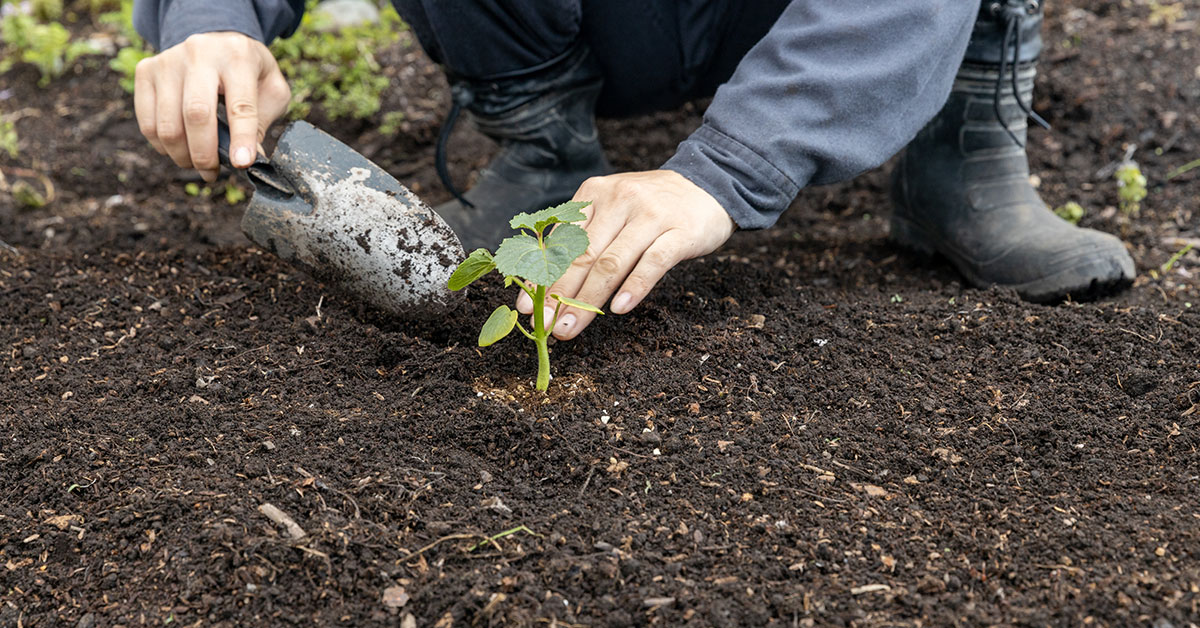

If you’re a fan of Southern cuisine and want to grow your own fresh okra, you’ve come to the right place. Okra, with its vibrant green pods and unique texture, is a versatile and nutritious vegetable that thrives in warm climates. However, being in the Midwest, Iowa’s variable weather patterns may pose a challenge when deciding the best time to plant this heat-loving crop. In this article, we will explore the ideal conditions for growing okra in Iowa, including the recommended planting time, soil requirements, and helpful tips to ensure a successful harvest.
What are good varieties for Okra in Iowa
In Iowa, there are a few varieties of okra that perform well in the local climate. Here are some recommended varieties:
- Clemson Spineless: This is a popular variety that produces tender, spineless pods. It is known for its high yield and resistance to diseases. Clemson Spineless is a reliable choice for Iowa gardens.
- Emerald: This variety is prized for its dark green pods and excellent flavor. It is known to have a good heat tolerance, which makes it suitable for Iowa’s summer temperatures.
- Annie Oakley II: This variety is known for its compact growth habit, making it a good choice for smaller gardens. It produces tasty, spineless pods and has good disease resistance.
- Burgundy: If you’re looking for something a bit different, Burgundy okra is a unique variety with deep red pods. It still maintains good flavor and tenderness, and it can add a pop of color to your garden.
- Jambalaya: This variety is known for its large, meaty pods that are great for cooking. It has good disease resistance and can handle the hot and humid Iowa summers.
Remember to provide okra with full sun and well-drained soil. It thrives in warm weather, so it’s best to wait until after the last frost to plant. Happy gardening!
When to plant Okra in Iowa
In Iowa, the state’s hardiness zones generally range from zone 4 in the northern parts to zone 6 in the southern regions. These hardiness zones are determined by the average annual minimum winter temperatures, which are crucial in determining what plants can survive and thrive in a particular area.
When it comes to planting okra in Iowa, it’s important to pay attention to the average last frost date in your specific zone. Okra is a warm-season crop that requires a long, hot growing season to produce a good harvest. Therefore, it’s best to plant okra outdoors after the danger of frost has passed and the soil has warmed up.
In most parts of Iowa, the average last frost date falls between mid-April to mid-May, depending on your specific location. Therefore, it is recommended to plant okra seeds or transplants in Iowa around late May or early June, once the soil has reached temperatures of at least 65°F (18°C). This will ensure that the plants have a favorable environment to establish and grow.
Before planting okra, it’s important to prepare the soil properly. Okra plants prefer well-draining soil, rich in organic matter. Adding compost or well-rotted manure to the soil before planting will help improve its fertility and drainage.
When planting okra seeds, sow them about 1 inch deep, spacing them around 6 to 8 inches apart. If using transplants, ensure they are hardened off and plant them at the same depth as they were in their containers.
Okra plants require full sun exposure, ideally receiving at least 6 to 8 hours of direct sunlight daily. They also need consistent moisture, so regular watering is essential, particularly during dry spells.
Throughout the growing season, it’s important to monitor the plants for pests and diseases, such as aphids, caterpillars, or fungal infections. Taking preventive measures, such as using organic pesticides and practicing good garden hygiene, can help protect your okra plants.
Harvesting of okra usually begins around 60 to 70 days after planting, depending on the specific variety. Harvest the pods when they are around 2 to 4 inches long, as larger pods tend to become tough and fibrous.
By following these guidelines and considering your specific hardiness zone, you can successfully grow okra in Iowa and enjoy a bountiful harvest of this delicious warm-season vegetable.
When to harvest Okra in Iowa
The optimal time to harvest okra in Iowa is typically from mid to late summer, usually around 55 to 70 days after planting. Okra plants prefer warm weather and need temperatures consistently above 60°F (15°C) to thrive. In Iowa, this usually occurs between July and September.
When harvesting okra, look for pods that are around 2-4 inches long and firm to the touch. Avoid waiting too long to harvest, as okra pods can become tough and fibrous if left on the plant for too long. Regularly check your okra plants and harvest the pods every 2-3 days to ensure they are at their prime.
Other considerations
When growing Okra in Iowa, there are a few additional considerations to keep in mind:
- Climate and Season: Okra is a warm-season crop that requires a long, hot growing season. In Iowa, it is important to start the seeds indoors about 4-6 weeks before the last expected frost date or use transplants. Make sure to choose a variety with a relatively short maturation period (around 55-60 days) to ensure a successful harvest before the first frost in the fall.
- Soil Preparation: Okra prefers well-drained soil with a pH range of 6.0-6.8. Before planting, amend the soil with organic matter like compost or aged manure to improve fertility and drainage. This will help retain moisture during dry spells and provide nutrients for healthy growth.
- Location and Sunlight: Okra requires full sun to thrive. Choose a location in your garden that receives at least 6-8 hours of direct sunlight per day. Additionally, consider planting okra along a southern-facing wall or fence to maximize sunlight exposure and heat retention.
- Watering: Okra prefers consistent moisture but does not tolerate waterlogged soil. Water regularly, providing about 1 inch of water per week, especially during dry spells. Avoid overhead watering to prevent the spread of diseases. Instead, use a soaker hose or drip irrigation to water at the base of the plants.
- Mulching: Apply a layer of organic mulch, such as straw or shredded leaves, around the base of the plants. Mulching helps retain soil moisture, suppresses weed growth, and regulates soil temperature.
- Pest and Disease Management: Keep an eye out for common pests like aphids, flea beetles, and spider mites. Monitor plants regularly and use organic pest control methods like handpicking, insecticidal soaps, or neem oil if necessary. Additionally, practice crop rotation to minimize the risk of soilborne diseases.
- Support and Pruning: Okra plants can grow quite tall, reaching heights of up to 6 feet. Consider providing support, such as stakes or cages, to prevent the plants from bending or breaking under the weight of the fruits. Prune the lower branches to improve airflow and reduce the risk of fungal diseases.
- Harvesting: Harvest okra pods when they are 2-4 inches long, firm, and tender. Avoid letting the pods become too mature, as they can become tough and fibrous. Harvest every 2-3 days to encourage continuous production.
By considering these factors, you can increase your chances of successfully growing Okra in Iowa and enjoy a bountiful harvest.