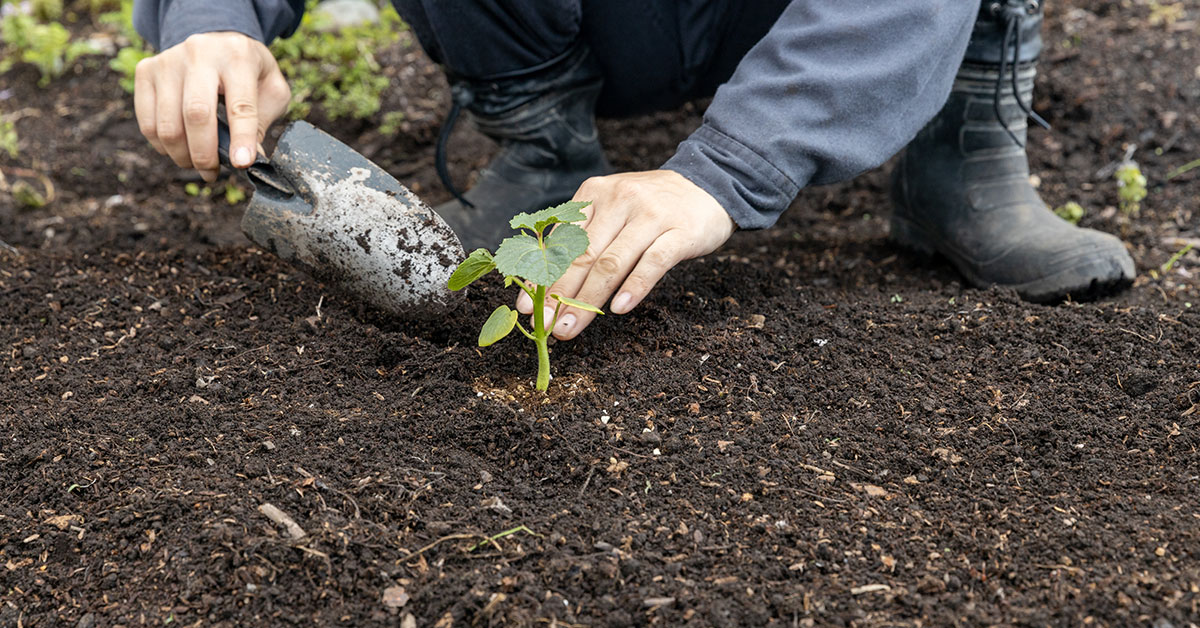

Are you an Idahoan gardener looking to add some flavor and diversity to your vegetable patch? Look no further than okra, a warm-season vegetable that thrives in the Gem State’s growing conditions. While it is traditionally associated with Southern cuisine, you can successfully grow okra in Idaho with a little planning and attention.
To ensure a successful harvest, it is crucial to plant okra at the right time. In this article, we will explore the best time to plant okra in Idaho, taking into consideration the state’s climate, soil conditions, and the optimal growing season for this versatile and delicious vegetable.
Whether you are a seasoned gardener or a beginner with a green thumb, understanding the ideal planting window for okra will set you on the path to a bountiful harvest and a delectable addition to your dinner table.
Best varieties of Okra to grow in Idaho
In Idaho, the growing season for okra can be quite short, so it’s important to choose varieties that have a shorter maturation time. Here are a few varieties of okra that are suitable for growing in Idaho:
- Clemson Spineless: This is a popular variety that is known for its tender pods and lack of spines, making it easier to harvest. It has a relatively short maturation time of around 50-60 days.
- Louisiana Green Velvet: This variety produces dark green, smooth-skinned pods that are tender and flavorful. It has a maturation time of about 55-60 days.
- Emerald: This variety is prized for its beautiful emerald green pods. It has a slightly longer maturation time of around 60-70 days but is well worth the wait for its delicious flavor.
- Burgundy: If you’re looking for a unique variety, Burgundy okra is a great choice. It produces deep burgundy-colored pods that turn green when cooked. It has a maturation time of about 55-65 days.
- Jing Orange: This variety stands out with its vibrant orange pods. It has a relatively short maturation time of around 50-55 days and offers a slightly sweeter taste compared to traditional green okra.
Remember to provide your okra plants with full sun, well-drained soil, and consistent watering to ensure healthy growth.
When to plant Okra in Idaho
In Idaho, the hardiness zones range from 3a to 7a, with the northern part of the state being in zone 3a and the southern part in zone 7a. These hardiness zones give an indication of the minimum average winter temperatures experienced in different regions, helping gardeners determine which plants are most likely to thrive.
When it comes to planting Okra in Idaho, it is important to consider the region’s shorter growing season and cooler temperatures. Okra is a warm-season crop that requires a long frost-free period to grow and produce a good harvest. Therefore, it is generally recommended to start okra seeds indoors or purchase seedlings to get a head start.
For northern regions of Idaho (zone 3a to 5a), it is advisable to start okra seeds indoors around 6-8 weeks before the last expected frost date. This will give the plants enough time to grow and mature before being transplanted outdoors. The last expected frost date in these areas is typically between late May and early June. Once all danger of frost has passed, and the soil temperature has warmed to around 60°F (15°C), the okra seedlings can be transplanted outside.
In southern regions of Idaho (zone 6a to 7a), the growing season is relatively longer, and direct sowing may be an option. However, starting okra seeds indoors a few weeks before the last frost date can still provide a head start. The last expected frost date in these areas is usually in mid to late May. When the soil temperature reaches around 60°F (15°C), okra seedlings can be transplanted outside.
It is worth noting that okra prefers full sun and well-drained soil. Adequate moisture is also essential for its growth and development. Regular watering and mulching around the plants can help retain moisture and prevent weeds.
By considering the hardiness zones and following the recommended planting times, gardeners in Idaho can give their okra plants the best chance of flourishing and producing a bountiful harvest.
When to harvest Okra in Idaho
Okra is a warm-season vegetable that requires a long growing season with hot temperatures to produce well. In Idaho, where the climate is cooler, growing okra can be a bit challenging. However, if you take certain measures to provide the plant with warmth and protection, you can still have a successful harvest.
To determine the optimal time for harvesting okra in Idaho, you need to consider the average number of days to maturity for the specific okra variety you are growing. This information is typically provided on the seed packet or plant label. Most okra varieties take around 55 to 60 days to reach maturity.
Additionally, keep an eye on the weather and temperature patterns in your area. Okra plants prefer temperatures between 75°F and 90°F (24°C to 32°C). If the temperatures in Idaho start dropping significantly below this range, it’s advisable to harvest the pods before they become tough and woody.
Another method to determine if the okra is ready for harvest is to observe the size of the pods. Ideally, okra pods should be around 2-3 inches long and still tender. If they grow larger, they can become tough and fibrous.
Remember to check your plants regularly and harvest the pods as soon as they reach the desired size and tenderness. Harvesting regularly will also encourage the plants to produce more pods.
In a cooler climate like Idaho, it’s best to start okra indoors from seeds or use transplants to give them a head start. You can also consider using row covers or other protective measures to create a warmer microclimate for your okra plants.
Overall, while growing okra in Idaho may present some challenges, with the right techniques and attention to temperature and maturity, you can still enjoy a successful harvest.
Other considerations
When growing Okra in Idaho, there are a few additional considerations to keep in mind due to the region’s climate and conditions:
- Short growing season: Idaho has a relatively short growing season, so it’s important to choose early-maturing varieties of Okra that can produce fruit within the limited timeframe. Look for varieties that mature in around 50-60 days.
- Soil preparation: Okra thrives in well-draining soil with a pH level between 6.0-6.5. Before planting, amend the soil with organic matter like compost to improve its fertility and drainage. This will also help retain moisture during the hot summer months.
- Temperature and sunlight: Okra is a warm-season crop that loves full sun. Ensure that your planting location receives at least 6-8 hours of direct sunlight daily. Consider using black plastic mulch to warm the soil and help retain heat, especially during cooler nights.
- Water requirements: Okra enjoys consistent moisture, so regular watering is essential, particularly during hot and dry periods. However, be cautious not to overwater, as soggy soil can lead to root rot. Aim for deep watering once or twice a week, allowing the soil to dry slightly between watering sessions.
- Row covers and microclimates: Given Idaho’s cooler climate, consider using row covers or creating microclimates to protect young Okra plants from cold temperatures and wind. Row covers can also help increase soil and air temperature, promoting faster growth.
- Pest management: Keep an eye out for common pests such as aphids, caterpillars, and spider mites. Regularly inspect your plants and use organic pest control methods like handpicking or applying neem oil to deter pests.
- Support and spacing: Okra plants can grow quite tall, reaching heights of 4-6 feet. Provide support, such as stakes or trellises, to prevent them from bending or breaking under the weight of the fruit. Adequate spacing between plants is essential to allow for good air circulation, reducing the risk of disease.
By considering these factors, you can increase your chances of successfully growing Okra in Idaho’s unique climate and enjoy a bountiful harvest.