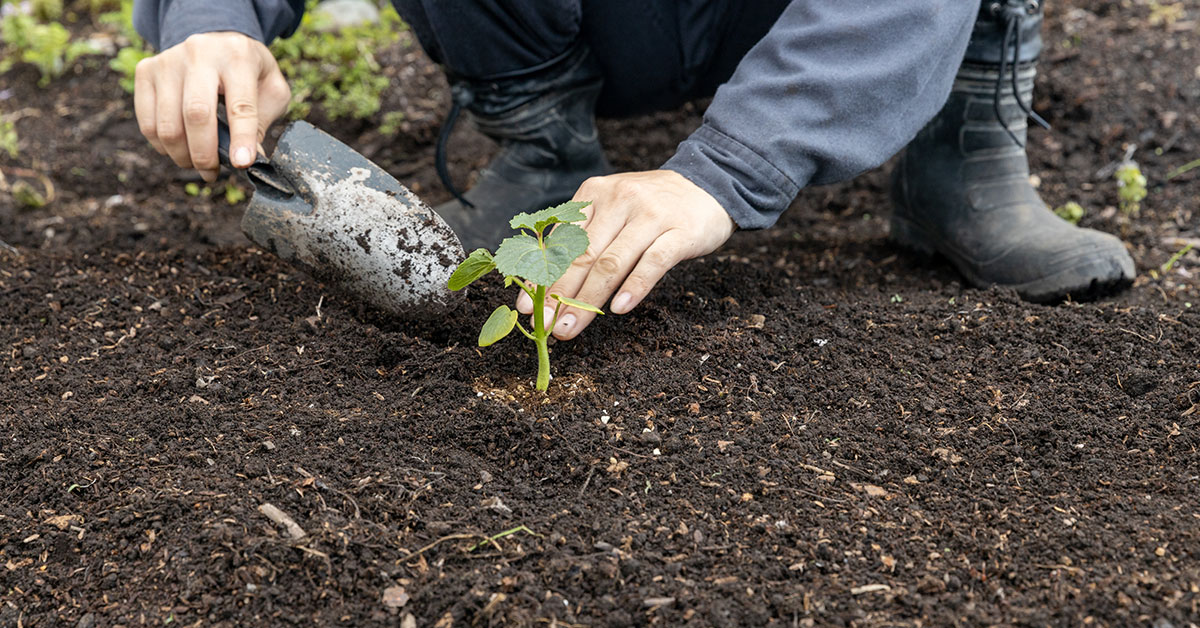

Are you an aspiring gardener in Arkansas looking to grow your own delicious okra? Well, you’ve come to the right place! As a seasoned gardener with years of experience, I understand the importance of timing when it comes to planting crops. In this article, we will explore the best time to plant okra in Arkansas, taking into consideration the climate, soil conditions, and optimal growing conditions for this beloved vegetable.
Whether you’re a seasoned gardener or a beginner, by following these guidelines, you’ll be well on your way to a bountiful harvest of okra in no time!
Best varieties of Okra to grow in Arkansas
In Arkansas, there are several varieties of okra that thrive in the region’s climate and growing conditions. Here are some popular varieties to consider:
- Clemson Spineless: This is a widely grown and highly productive okra variety. It produces tender, spineless pods that are excellent for cooking and frying.
- Emerald: Emerald is a popular variety known for its vibrant green pods. It is disease-resistant and produces high yields of tender okra.
- Annie Oakley II: This variety is well-suited for the Arkansas climate. It has a compact growth habit and produces spineless pods that are tender and flavorful.
- Lee: Lee okra is a heat-tolerant variety that performs well in Arkansas. It has a high yield potential and produces dark green, spineless pods.
- Cow Horn: Cow Horn okra is a traditional heirloom variety that grows well in Arkansas. It produces long, curved pods that are tender and flavorful.
It’s important to note that while these varieties are well-adapted to Arkansas, factors such as soil quality, watering, and overall care will also impact the success of your okra crop.
When to plant Okra in Arkansas
In Arkansas, the state’s hardiness zones range from Zone 6a in the northwest to Zone 8b in the southernmost regions. These zones categorize the area’s climate and help gardeners determine which plants are best suited for their specific location.
When it comes to planting okra in Arkansas, it is important to consider both the hardiness zone and the local weather patterns. Okra is a warm-season vegetable that thrives in hot temperatures and requires a long growing season. Therefore, it is crucial to wait until after the danger of frost has passed and the soil has warmed up before planting okra.
In most parts of Arkansas, the best time to plant okra is in late spring or early summer when the soil temperature consistently reaches around 65°F (18°C) or warmer. This generally falls between mid-April and mid-May, depending on your specific location within the state.
To ensure successful growth, follow these steps when planting okra in Arkansas:
- Prepare the soil: Okra prefers well-drained soil with a pH between 6.0 and 6.8. Before planting, work the soil thoroughly, removing any weeds or rocks. Adding compost or organic matter can improve the soil’s fertility and drainage.
- Choose the right variety: Select a variety of okra that is well-suited to your region and growing conditions. Some popular varieties for Arkansas include Clemson Spineless, Emerald, Annie Oakley, and Jambalaya.
- Sow or transplant: Okra can be directly sown into the garden or started indoors and transplanted later. If starting indoors, sow the seeds 4-6 weeks before the intended planting date. Transplant the seedlings once they have developed a few true leaves and the soil is warm enough.
- Planting depth and spacing: Plant okra seeds or seedlings about 1 inch deep and 12-18 inches apart, leaving about 2-3 feet between rows. This spacing allows the plants to receive enough sunlight and air circulation for optimal growth.
- Provide proper care: Okra plants require regular watering to ensure consistent moisture in the soil. Mulching around the base of the plants can help retain moisture and prevent weed growth. Fertilize the plants with a balanced vegetable fertilizer according to the package instructions.
- Harvesting: Okra pods are typically ready to be harvested around 50-60 days after planting. Harvest them when they are 3-4 inches long and still tender. Regularly harvesting the pods will encourage the plants to produce more.
By following these guidelines and considering your specific hardiness zone, you can successfully grow okra in Arkansas and enjoy a bountiful harvest of this delicious warm-season vegetable.
When to harvest Okra in Arkansas
The optimal time to harvest okra in Arkansas is typically in the summer months, specifically from late June to early September. Okra plants thrive in warm temperatures and require a long growing season to produce tender and flavorful pods. It is important to monitor the growth of the okra pods and harvest them when they are still young and tender, usually around 2 to 4 inches in length. Waiting too long to harvest can result in tough and fibrous pods. Regular harvesting, every 2 to 3 days, promotes continuous production and ensures the best flavor and texture of the okra.
Other considerations
When growing okra in Arkansas, there are a few additional considerations to keep in mind:
- Soil type: Okra prefers well-drained soil with a pH between 6.0 and 7.5. If your soil is heavy clay, you may need to amend it with organic matter or compost to improve drainage.
- Planting time: Okra is a warm-season crop and requires soil temperatures of at least 65°F (18°C) for successful germination. In Arkansas, it is best to plant okra seeds or transplants in late spring, once the soil has warmed up.
- Sunlight: Okra requires full sun for at least 6-8 hours a day. Ensure that your planting location receives adequate sunlight throughout the day.
- Watering: Okra plants need regular watering, especially during dry periods. Aim for about 1 inch of water per week, either through rainfall or supplemental irrigation. Mulching around the plants can help retain moisture and reduce weed competition.
- Spacing and trellising: Okra plants can grow fairly large, so provide adequate spacing between plants, typically about 18-24 inches apart. If you prefer, you can also trellis your okra plants to save space and make harvesting easier.
- Pest and disease management: Monitor your okra plants regularly for pests such as aphids, flea beetles, and stink bugs. Use organic pest control methods like handpicking, neem oil, or insecticidal soap if necessary. Also, be aware of common diseases like root rot and fusarium wilt. Choose disease-resistant varieties and practice crop rotation to minimize the risk.
- Harvesting: Okra pods are ready to harvest when they reach about 3-4 inches in length. Harvest them every 1-2 days to prevent the pods from becoming tough and fibrous. Use a sharp knife or shears to cut the pods from the plant, taking care not to damage the stems.
By considering these factors, you can increase your chances of successfully growing okra in Arkansas. Happy gardening!