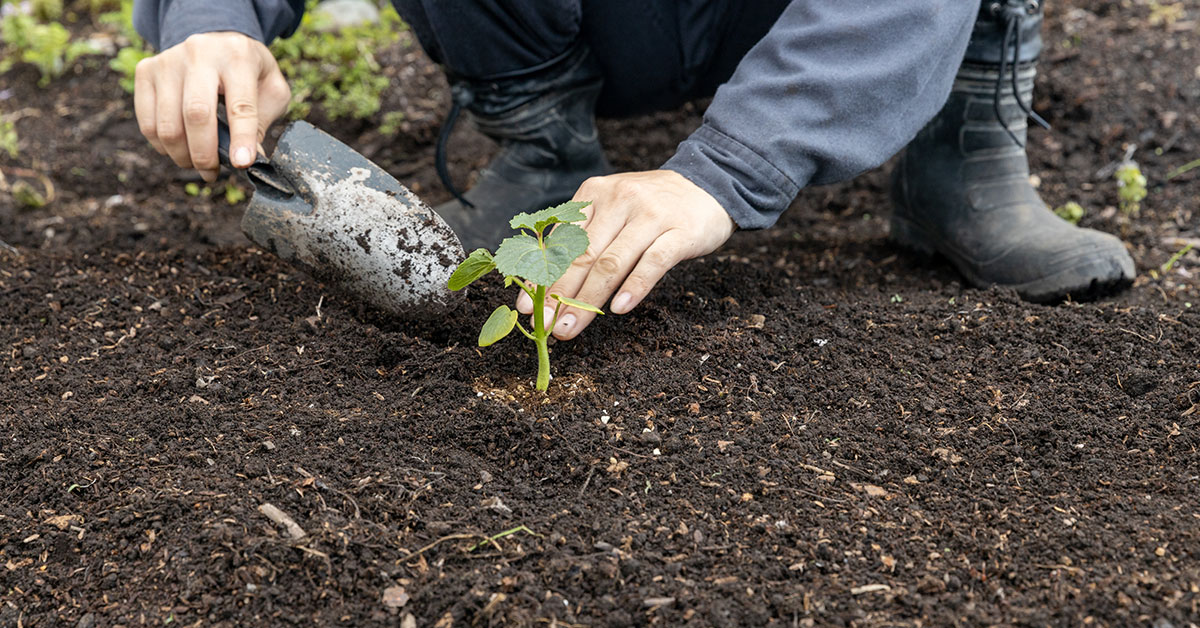

Welcome to the world of gardening in Arizona! If you’re a fan of okra and want to grow this versatile vegetable in your own backyard, you’ve come to the right place. Okra, scientific name Abelmoschus esculentus, is a warm-season crop that thrives in the desert climate of Arizona. However, to ensure a successful harvest, it’s crucial to plant okra in Arizona at the right time.
With scorching summers and mild winters, the best time to plant okra in Arizona varies depending on the region and prevailing weather conditions. In this article, we will delve into the optimal planting times for different areas of Arizona, taking into account the state’s unique climate and providing you with helpful tips to achieve a bountiful okra harvest. So grab your gardening tools and let’s get ready to plant some okra!
Best varieties of Okra to grow in Arizona
In Arizona, the weather can get quite hot during the summer months which makes it important to choose heat-tolerant varieties of okra. Here are a few recommended varieties that are known to do well in Arizona:
- Clemson Spineless: This is a popular variety that is known for its spineless pods, making it easier to handle during harvesting. Clemson Spineless is also highly productive and has good heat tolerance.
- Louisiana Green Velvet: This variety is well-suited for hot climates and has a high yield potential. The pods are green with a velvety texture, and it is known for its excellent flavor.
- Emerald: Emerald okra is a heat-resistant variety that produces dark green pods. It has a strong disease resistance and is known for its high productivity.
- Hill Country Red: This variety is unique because it produces red pods instead of the traditional green ones. Hill Country Red is heat-tolerant and has good disease resistance.
- Annie Oakley II: This variety is known for its compact growth habit, making it suitable for smaller garden spaces. It produces tender green pods and has good heat tolerance.
When selecting okra varieties, it’s important to consider factors such as heat tolerance, disease resistance, and personal preferences. Make sure to provide adequate water and sun protection during the hottest parts of the day to help your okra plants thrive in Arizona’s climate.
When to plant Okra in Arizona
In Arizona, the state’s hardiness zones play a crucial role in determining the best time to plant various crops, including okra. The hardiness zones provide valuable information about the average minimum winter temperatures a specific area experiences, helping gardeners understand which plants will thrive in their region.
Arizona is known for its diverse climate, ranging from hot desert conditions to cooler mountainous areas. The state is divided into several hardiness zones, including zones 5a, 5b, 6a, 6b, 7a, 7b, 8a, 8b, 9a, 9b, 10a, and 10b. Each zone has its own unique characteristics, such as temperature extremes and frost dates, which affect plant growth and survival.
When it comes to planting okra in Arizona, it is essential to consider the specific hardiness zone you reside in. Okra is a warm-season crop that thrives in temperatures above 60°F (15°C) and requires a long growing season to produce a bountiful harvest.
In the lower elevation regions of Arizona, such as zones 9 and 10, the climate is conducive to growing okra. These areas experience mild winters and long, hot summers, which are ideal for this heat-loving plant. In these zones, the best time to plant okra is typically in late April or early May, once the danger of frost has passed and the soil has warmed up.
For gardeners residing in higher elevation areas, such as zones 6 and 7, the cooler temperatures and shorter growing season pose a challenge for okra cultivation. To ensure successful growth, it is recommended to start okra seeds indoors around mid to late April. Once the seedlings have developed a strong root system and the risk of frost has diminished, usually around mid to late May, they can be transplanted into the garden.
Regardless of the hardiness zone, okra plants prefer well-drained soil enriched with organic matter. Adequate sunlight, regular watering, and occasional fertilization throughout the growing season will help maximize yields. Harvesting can begin approximately 55 to 60 days after planting, depending on the specific variety.
It’s important to note that microclimates can exist within different regions of Arizona, influenced by factors like elevation, proximity to bodies of water, and local topography. These microclimates can deviate slightly from the general hardiness zone guidelines, so it’s always advisable to consult with local agricultural extension offices or experienced gardeners in your area for more specific planting advice.
By understanding your hardiness zone and considering the unique climate conditions in your region, you can successfully cultivate okra in Arizona and enjoy a delicious harvest of this versatile vegetable.
When to harvest Okra in Arizona
The optimal time to harvest okra in Arizona is typically during the summer months, from June to September. Okra plants thrive in hot and dry conditions, which are common in Arizona during this time. The pods are ready to be harvested when they are about 2-4 inches long and firm to the touch. It’s important to regularly check the plants for mature pods, as okra can quickly become tough and fibrous if left on the plant for too long. Harvesting in the morning or evening when temperatures are cooler can also help maintain the quality of the okra.
Other considerations
When growing okra in Arizona, there are a few additional considerations to keep in mind:
- Soil: Okra prefers well-draining soil with a slightly acidic pH level between 6.0 and 6.8. In Arizona, where the soil tends to be alkaline, it is important to amend the soil with organic matter such as compost or peat moss to improve drainage and lower the pH level.
- Watering: Okra plants require consistent moisture, especially during the hot and dry climate of Arizona. Irrigate deeply and regularly, ensuring the soil remains evenly moist. Mulching around the plants can help retain moisture and reduce evaporation.
- Sun exposure: Okra is a warm-season crop that thrives in full sun. In Arizona, where the sun can be intense, it is important to provide adequate shade during the hottest part of the day to prevent heat stress. Consider using shade cloth or planting near taller plants that can provide some protection.
- Temperature: Okra is a heat-loving plant that prefers temperatures between 75-90°F (24-32°C). Arizona’s summer temperatures can exceed this range, so selecting heat-tolerant okra varieties or providing shade can help mitigate the effects of extreme heat.
- Pest control: Common pests that may affect okra in Arizona include aphids, whiteflies, and spider mites. Regularly inspect your plants for signs of infestation and use organic pest control methods such as insecticidal soaps or neem oil to combat these pests. Additionally, row covers can help protect young plants from pests.
- Timing: Since okra is a warm-season crop, it is essential to plant it after the last frost date in your area. In Arizona, this is typically in late February or early March. Make sure the soil has warmed up sufficiently before planting to ensure optimal growth.
- Harvesting: Okra pods are best harvested when they are tender and about 2-3 inches long. Regularly check your plants for mature pods and harvest them promptly to encourage continuous production. Leaving over-mature pods on the plant can slow down the production of new pods.
By considering these factors and providing the necessary care, you can successfully grow okra in Arizona’s climate.