
Welcome to the world of gardening in Alabama! If you’re a fan of okra, you’re in for a treat. Growing this popular warm-season vegetable can be a rewarding experience, but timing is everything. To ensure a successful harvest, it’s crucial to know the best time to plant okra in the Alabama climate.
With its long growing season and hot summers, Alabama provides ideal conditions for okra to thrive. In this article, we will delve into the specific timing considerations, including the average last frost date, soil temperature requirements, and tips for maximizing your okra yield.
Whether you’re a seasoned gardener or just starting out, this guide will equip you with the knowledge you need to grow delicious okra in your Alabama garden. So, grab your gardening gloves and let’s get started!
Best varieties of Okra to grow in Alabama
In Alabama, some good varieties of okra to consider are:
- Clemson Spineless: This is a classic okra variety that performs well in Alabama’s hot and humid climate. It produces tender and flavorful pods and is known for its disease resistance.
- Emerald: This variety is highly popular and well-suited for Alabama’s growing conditions. It produces dark green, spineless pods that are tender and tasty.
- Annie Oakley II: This variety is known for its high yields and disease resistance. It produces large, spineless pods that are excellent for cooking.
- Jambalaya: This variety is a favorite among gardeners in Alabama. It produces thick, meaty pods that are great for frying or using in gumbo.
- Cajun Delight: This variety is prized for its early maturity and high yield. It produces tender and flavorful pods that are perfect for southern-style cooking.
Remember to choose varieties that are resistant to common diseases in your area and consider factors such as growth habit and days to maturity to ensure a successful okra harvest.
When to plant Okra in Alabama
In Alabama, the state’s hardiness zones range from zone 7a in the northern parts to zone 9a in the southern regions. These zones are determined by the average minimum winter temperatures and provide valuable information for gardeners regarding plant selection and timing.
When it comes to planting Okra, which is a warm-season crop, the best time to do so in Alabama is after the last frost date has passed and the soil temperature has warmed up. In general, the last frost date in northern Alabama is around mid-April, while in southern Alabama, it can be as early as late February or early March.
To get a more accurate timing for planting Okra in your specific location, it is recommended to check with the local agricultural extension office or refer to a reliable gardening resource like the Alabama Cooperative Extension System. They can provide information on the average last frost date for your area and any specific recommendations for planting Okra.
Once the soil temperature reaches around 65°F (18°C) or higher, it is considered suitable for planting Okra. This warm-loving crop thrives in full sun and well-drained soil. Before planting, it is beneficial to amend the soil with organic matter such as compost or well-rotted manure to improve its fertility and drainage.
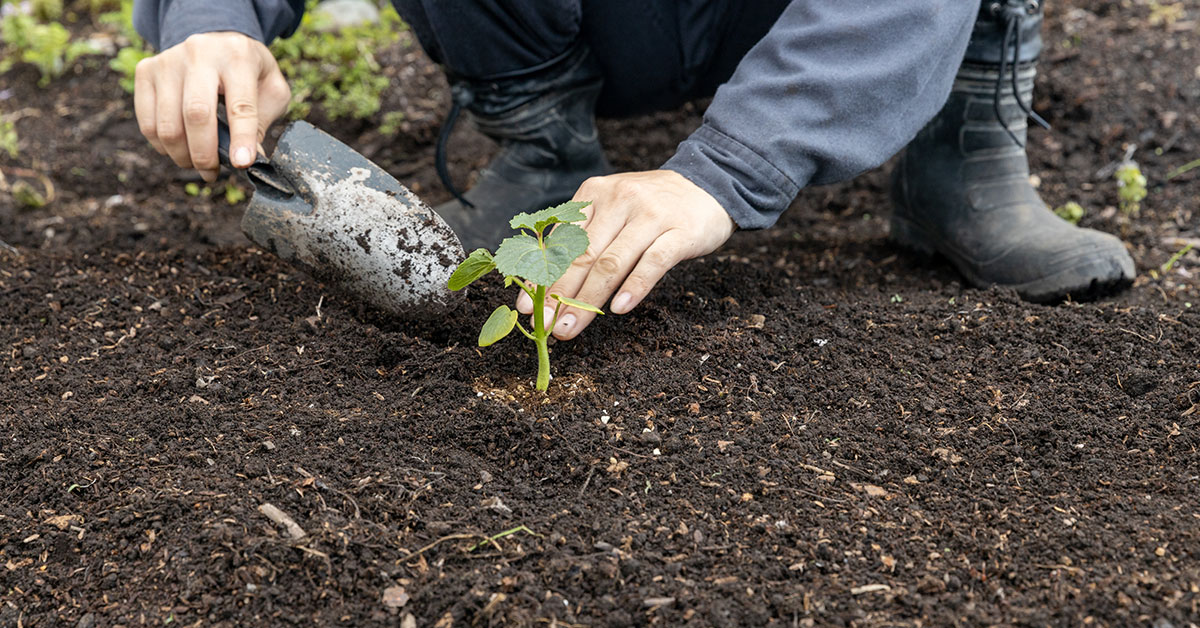
When planting Okra, space the seeds or seedlings about 12-18 inches apart in rows that are 3-4 feet apart. The seeds should be planted approximately 1 inch deep. Ensure the soil remains consistently moist during the germination and early growth stages.
As Okra is a relatively fast-growing plant, it is important to keep up with regular watering, especially during dry periods. Mulching around the base of the plants can help conserve moisture and suppress weed growth.
Harvesting Okra usually begins around 50-60 days after planting, depending on the variety. It is best to harvest the pods when they are 3-4 inches long and still tender. Leaving the pods on the plant for too long can result in tough and fibrous Okra.
By following these guidelines and paying attention to your local climate and specific growing conditions, you can enjoy a successful Okra harvest in Alabama. Happy gardening!
When to harvest Okra in Alabama
The optimal time to harvest okra in Alabama is generally when the pods are young and tender, usually between 2-4 inches in length. Okra plants typically begin producing pods about 50-60 days after planting. It’s important to check your plants regularly, as okra pods can quickly become tough and fibrous if left on the plant for too long. Harvesting every 2-3 days is recommended to ensure you pick the pods at their peak.
Other considerations
When growing Okra in Alabama, there are a few additional considerations to keep in mind:
- Soil: Okra grows best in well-draining soil with a pH between 6.0 to 6.8. Alabama soils can vary, so it’s important to test your soil and amend it if necessary. Adding organic matter like compost or aged manure can improve soil fertility and structure.
- Sunlight: Okra requires full sun to thrive, so choose a location in your garden that receives at least 6-8 hours of direct sunlight each day.
- Planting time: In Alabama, you can start planting Okra seeds or seedlings outdoors after the last frost date, which typically falls in early to mid-April. Okra is a warm-season crop, so make sure to wait until soil temperatures reach around 65°F (18°C) before planting.
- Watering: Okra plants need regular watering to ensure healthy growth and fruit production. During dry periods, provide about 1 inch of water per week, either through rainfall or irrigation. Avoid overwatering, as this can lead to root rot.
- Mulching: Applying a layer of organic mulch around Okra plants can help conserve moisture, suppress weed growth, and regulate soil temperature. Mulching also helps prevent soil-borne diseases by reducing splashing during rain or watering.
- Fertilizing: Okra is a heavy feeder and benefits from regular fertilization. Before planting, incorporate a balanced organic fertilizer into the soil. Throughout the growing season, you can use a side-dressing of compost or a balanced fertilizer every 4-6 weeks to provide additional nutrients.
- Pests and diseases: Keep an eye out for common pests like aphids, flea beetles, and stink bugs, which can damage Okra plants. Regularly inspect your plants and take appropriate measures such as handpicking, using insecticidal soap, or introducing beneficial insects to control pest populations. Okra can also be susceptible to diseases such as powdery mildew and root rot, so proper spacing, good air circulation, and avoiding overhead watering can help prevent these issues.
- Harvesting: Okra pods should be harvested when they are about 2-4 inches long and still tender. Harvesting regularly (every 2-3 days) promotes continuous production and prevents the pods from becoming tough and fibrous.
By considering these factors and providing the necessary care, you can successfully grow Okra in Alabama and enjoy a bountiful harvest.