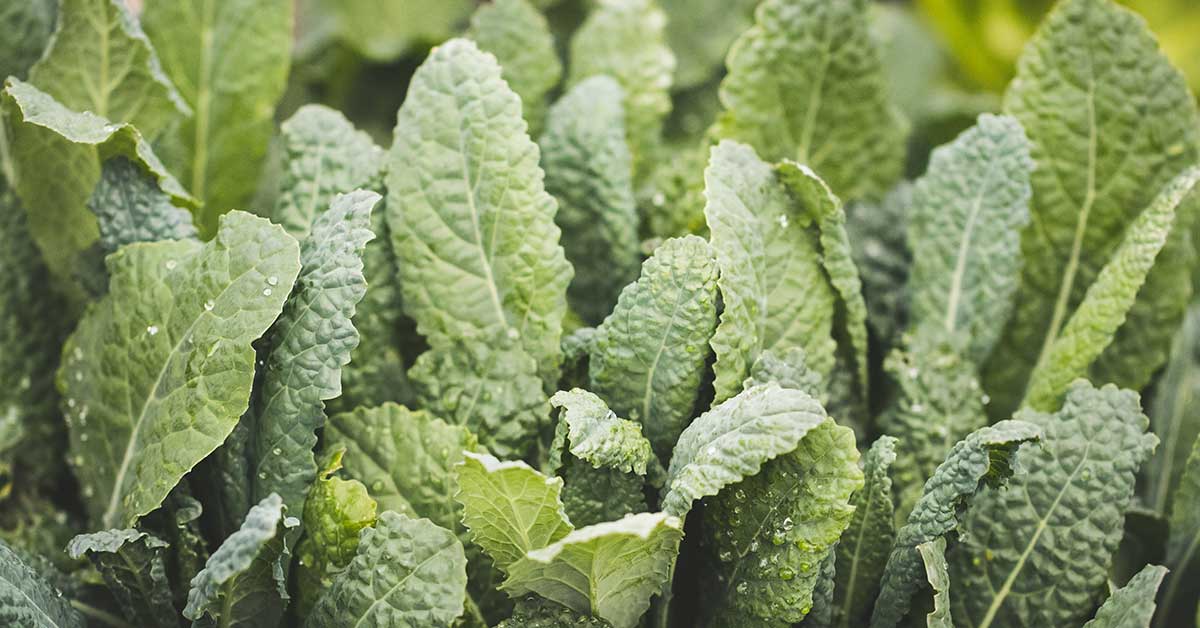

Welcome to the world of Lacinato Kale, also known as Tuscan or Dinosaur Kale! This unique and versatile vegetable has been cherished by gardeners and food enthusiasts alike for centuries. With its dark green, bumpy leaves, and robust flavor, Lacinato Kale stands out among its leafy green counterparts. Originating from Tuscany, Italy, this kale variety has gained popularity worldwide for its nutritional value and culinary uses.
Whether you are a seasoned gardener looking to add a new crop to your collection or a food lover seeking to incorporate more wholesome ingredients into your diet, Lacinato Kale is a fantastic choice. In this article, we will explore the fascinating history, cultivation techniques, and delectable recipes that showcase the incredible potential of this remarkable leafy green.
What is a Lacinato Kale?
Lacinato Kale, also commonly known as Tuscan Kale or Dinosaur Kale, is a variety of kale that is highly sought after for its unique appearance, texture, and flavor. It is native to Tuscany, Italy, and has been a staple in Italian cuisine for centuries. One of the distinguishing features of Lacinato Kale is its dark green, long, and narrow leaves. The leaves have a blistered or wrinkled texture, resembling the skin of a dinosaur, hence the name “Dinosaur Kale.” The leaves grow in a loose, upright manner, forming a rosette-like shape.
In terms of taste, Lacinato Kale has a slightly sweeter and more delicate flavor compared to other kale varieties. It has a pleasant earthy taste with subtle bitter notes. The texture of the leaves is tender yet slightly chewy, making it versatile for various cooking methods.
From a nutritional standpoint, Lacinato Kale is a powerhouse. It is packed with essential vitamins and minerals, including vitamins A, C, and K, as well as iron, calcium, and fiber. It is low in calories and carbohydrates, making it an excellent choice for those looking to maintain a healthy diet. Lacinato Kale is a cool-season crop that thrives in mild climates. It can tolerate frost and even improve in flavor after exposure to cold temperatures. It is relatively easy to grow and can be planted in both garden beds and containers.
When growing Lacinato Kale, it is essential to provide it with well-drained soil enriched with organic matter. It requires full sun to thrive but can tolerate some shade. Regular watering is necessary to keep the soil moist, but be careful not to overwater to prevent root rot. Harvesting Lacinato Kale is relatively straightforward. You can start harvesting the outer leaves when they reach about 8-10 inches in length, leaving the inner leaves to continue growing.
Regular harvesting promotes new growth and prolongs the harvest period. In the kitchen, Lacinato Kale can be enjoyed in various ways. It can be sautéed, steamed, stir-fried, or added to soups and stews. It can also be used as a flavorful addition to salads or even made into crispy kale chips. Overall, Lacinato Kale is a versatile and nutritious vegetable that not only adds beauty to your garden but also provides a delicious and healthy addition to your meals.
What does Lacinato Kale taste like?
Lacinato Kale, also known as Tuscan or Dinosaur Kale, has a unique and distinct taste compared to other varieties of kale. It has a slightly bitter and earthy flavor with a hint of sweetness. The taste is more mild and less peppery than curly kale, making it a favorite among many kale enthusiasts.
When cooked, Lacinato Kale becomes tender yet retains a slight chewiness. The leaves have a rich, almost nutty taste that pairs well with various seasonings and ingredients. Its hearty texture and flavor make it a versatile ingredient in a wide range of dishes.
Some describe the taste of Lacinato Kale as having a slight mineral undertone, similar to spinach or collard greens. It can be enjoyed raw in salads, where its flavor is slightly more pronounced, or cooked in soups, stir-fries, sautés, or even baked as kale chips.
Overall, Lacinato Kale offers a delightful combination of bitterness, sweetness, and earthiness, making it a popular choice for both culinary and health-conscious individuals.
How to start from seed
Starting Lacinato Kale (also known as Tuscan or Dinosaur Kale) from seeds is a relatively straightforward process. Here’s a step-by-step guide to help you get started:
- Seed selection: Choose high-quality Lacinato Kale seeds from a reputable source. Look for fresh seeds with a high germination rate.
- Germination: Start by filling seed trays or small pots with a well-draining seed starting mix. Moisten the soil lightly before sowing the seeds.
- Sowing seeds: Sprinkle the Lacinato Kale seeds evenly over the soil surface. Aim for a spacing of about 1-2 inches between each seed. Gently press the seeds into the soil, but do not bury them too deeply as they require light to germinate.
- Covering and labeling: Once the seeds are sown, lightly cover them with a thin layer of seed starting mix or vermiculite. This helps retain moisture and provides a conducive environment for germination. Label the trays or pots with the variety and date of sowing.
- Moisture and warmth: Place the trays or pots in a warm location with a temperature of around 60-75°F (15-24°C). Keep the soil consistently moist but not waterlogged. You can cover the trays with a plastic dome or use a plastic wrap to create a mini greenhouse effect, which helps maintain high humidity levels.
- Germination period: Lacinato Kale seeds usually germinate within 7-10 days, but it can take up to 14 days. Keep monitoring the trays and remove the cover once the seedlings start to emerge.
- Providing light: As soon as the seedlings emerge, move them to a location with bright, indirect sunlight or under grow lights. Adequate light is crucial for healthy growth.
- Transplanting: Once the seedlings have developed their first set of true leaves and are about 2-3 inches tall, they are ready to be transplanted into individual pots or a garden bed. Ensure the soil is well-draining and enriched with organic matter.
- Hardening off: Before transplanting the seedlings outdoors, gradually expose them to outdoor conditions over a period of 7-10 days. Start by placing them outdoors for a few hours each day, gradually increasing the time and exposure to direct sunlight.
- Planting outdoors: Choose a sunny location in your garden with fertile soil. Dig holes that are slightly larger than the root ball of the seedlings. Gently place the seedlings into the holes, backfill with soil, and firm it around the base of the plant.
- Watering and maintenance: Water the newly transplanted seedlings thoroughly and provide regular watering throughout their growth cycle. Mulching around the plants helps retain moisture and suppress weeds. Additionally, apply a balanced organic fertilizer every few weeks to promote healthy growth.
- Harvesting: Lacinato Kale typically takes around 55-65 days to mature. You can start harvesting the outer leaves when they reach 8-10 inches in length. Harvesting the outer leaves encourages the plant to produce more foliage.
By following these steps, you should be able to successfully start Lacinato Kale from seeds and enjoy a bountiful harvest of this nutritious leafy green.
Planting and growing Lacinato Kale
Planting and growing Lacinato kale, also known as Tuscan or Dinosaur kale, can be a rewarding experience. Here are the steps to help you successfully grow this nutritious and delicious leafy green:
- Choose the right time: Lacinato kale is a cool-season crop, so it’s best to plant it in early spring or late summer/early fall. It thrives in temperatures between 60-75°F (15-24°C).
- Prepare the soil: Kale prefers well-drained soil that is rich in organic matter. Before planting, amend the soil with compost or well-rotted manure to improve its fertility and drainage. Remove any weeds and loosen the soil to a depth of around 8-10 inches (20-25 cm).
- Sow the seeds: Either sow the seeds directly into the prepared soil or start them indoors 4-6 weeks before the last frost date. If sowing directly, plant the seeds about ¼ to ½ inch (0.6-1.3 cm) deep and 12-18 inches (30-45 cm) apart, in rows spaced 18-24 inches (45-60 cm) apart. If starting indoors, transplant the seedlings when they have developed 2-4 true leaves.
- Provide adequate water: Water the newly planted seeds or seedlings thoroughly and keep the soil consistently moist but not waterlogged. Once established, kale is relatively drought-tolerant, but regular watering is still necessary during dry spells.
- Mulch and weed control: Apply a layer of organic mulch around the plants to help retain moisture, suppress weeds, and regulate soil temperature. Keep the area around the plants weed-free to prevent competition for nutrients.
- Fertilize: Lacinato kale benefits from regular feeding. Apply a balanced fertilizer, such as a 10-10-10 or similar organic fertilizer, according to the package instructions. Side-dress the plants every 4-6 weeks during the growing season.
- Monitor pests and diseases: Keep an eye out for common kale pests like aphids, cabbage loopers, and flea beetles. Use organic pest control methods like handpicking, insecticidal soap, or neem oil to manage infestations. Proper spacing and good air circulation can help prevent diseases like powdery mildew and downy mildew.
- Harvesting: Lacinato kale can be harvested when the leaves reach a desirable size, usually around 8-10 inches (20-25 cm) long. Start by removing the outer leaves, leaving the center intact to allow for continued growth. Regular harvesting encourages new leaf production and extends the plant’s productive lifespan.
By following these steps, you can enjoy a bountiful harvest of Lacinato kale throughout the growing season.
When to harvest
The best time to harvest Lacinato Kale, or Tuscan or Dinosaur Kale, is when the leaves are mature and have reached their desired size. This usually occurs around 55 to 80 days after planting, depending on the specific variety and growing conditions.
To determine if the kale is ready for harvest, look for leaves that are dark green and have a firm texture. They should be around 8 to 10 inches long and 2 to 3 inches wide. Avoid waiting too long to harvest, as the leaves can become tough and bitter if left on the plant for too long.
It’s important to note that kale is a cool-season crop and can tolerate light frosts. In fact, some gardeners believe that a light frost can enhance the flavor of kale. However, if a hard freeze is expected, it’s best to harvest the kale before the cold weather arrives to prevent damage to the leaves.
When harvesting, use a sharp knife or garden scissors to cut the outer leaves of the kale plant, leaving the central growing point intact. This allows the plant to continue producing new leaves for future harvests. Alternatively, you can cut the entire plant at once, especially if you plan on using it for cooking or preserving.
Remember to always wash the harvested kale thoroughly before using it in your recipes. Enjoy the nutritious and delicious bounty from your garden!