
Italian arugula is a leafy green vegetable that is not only delicious but also packed with nutrients. Also known as rocket or rucola, Italian arugula is a staple in Mediterranean cuisine and has gained popularity worldwide for its peppery flavor and versatility in various dishes. This vibrant, leafy green is a member of the Brassicaceae family and is closely related to mustard greens and cabbage. Italian arugula is prized for its tender leaves, which have a distinct, slightly bitter taste that adds a unique kick to salads, sandwiches, pastas, and even pizzas.
In addition to its culinary uses, Italian arugula is also a beneficial addition to your garden, as it is relatively easy to grow and can be harvested multiple times throughout the growing season. Whether you are a seasoned gardener or a beginner looking to try your hand at growing your own vegetables, Italian arugula is an excellent choice that will not disappoint. In this article, we will explore everything you need to know about growing, caring for, and enjoying the flavorsome Italian arugula in your own backyard.
What is an Italian Arugula?
Italian arugula, also known as rocket or roquette, is a leafy green vegetable that belongs to the Brassicaceae family. It is native to the Mediterranean region, particularly Italy, hence its name. Italian arugula is highly valued for its distinct peppery and slightly bitter flavor, which adds a unique taste to salads, sandwiches, and various dishes. In terms of appearance, Italian arugula has elongated, deeply lobed leaves that are dark green in color. The leaves are typically smooth and slightly toothed, giving them a slightly frilly appearance. The plant can grow up to 2 feet tall and produces small white flowers when it matures.
One of the distinguishing features of Italian arugula is its fast growth. It is considered a cool-season crop, meaning it thrives in cooler temperatures like spring and fall. It is relatively easy to grow and can be cultivated in both garden beds and containers. Italian arugula is not only known for its unique flavor but also for its nutritional benefits. It is low in calories and rich in vitamins A, C, and K, as well as folate and calcium. It also contains antioxidants and other beneficial compounds that contribute to its health-promoting properties.
When harvesting Italian arugula, it is best to pick the outer leaves first, allowing the inner leaves to continue growing. This practice will ensure a continuous supply of fresh arugula throughout the growing season. Overall, Italian arugula is a versatile and flavorful green that can elevate the taste of various dishes. Its distinctive peppery kick and nutritional benefits make it a popular choice for both home cooks and professional chefs alike.
What does Italian Arugula taste like?
Italian arugula, also known as rocket or rucola, has a distinct and flavorful taste that sets it apart from other greens. It is known for its peppery, slightly bitter, and nutty flavor profile.
When you take a bite of Italian arugula, you will immediately notice a zesty kick that stimulates your taste buds. The peppery notes give it a unique tanginess, similar to mustard greens or radishes. However, the spiciness is not overwhelming and actually adds a pleasant depth to dishes.
Alongside the peppery kick, there is a subtle bitterness that adds complexity to the flavor. This bitterness is milder compared to other bitter greens like kale or collard greens, making it more palatable for those who may not enjoy strong bitter flavors.
Additionally, Italian arugula has a hint of nuttiness, which provides a delightful earthy undertone to its taste. This nutty aspect brings a touch of richness and balances out the overall flavor profile.
Overall, the taste of Italian arugula is lively, vibrant, and refreshing. Its distinct flavors make it a popular choice in salads, sandwiches, pasta dishes, and as a topping for pizzas. It can be enjoyed on its own or combined with other ingredients to create a well-rounded and flavorful dish.
How to start from seed
Starting Italian arugula from seeds is a relatively simple process. Here are the steps you can follow:
- Choose a suitable location: Italian arugula is a cool-season crop and prefers full sun to partial shade. Make sure the area you choose has well-draining soil.
- Prepare the soil: Loosen the soil to a depth of around 6-8 inches and remove any weeds or debris. Add organic matter, like compost, to improve soil fertility and drainage.
- Sow the seeds: You can start Italian arugula seeds directly in the garden or in containers. Plant the seeds about ¼ to ½ inch deep and space them around 1 inch apart. You can sow them in rows or scatter them in a wide band.
- Watering: After sowing the seeds, water the area gently to ensure the soil is moist. Avoid overwatering, as arugula prefers consistently moist soil but can rot if it becomes waterlogged.
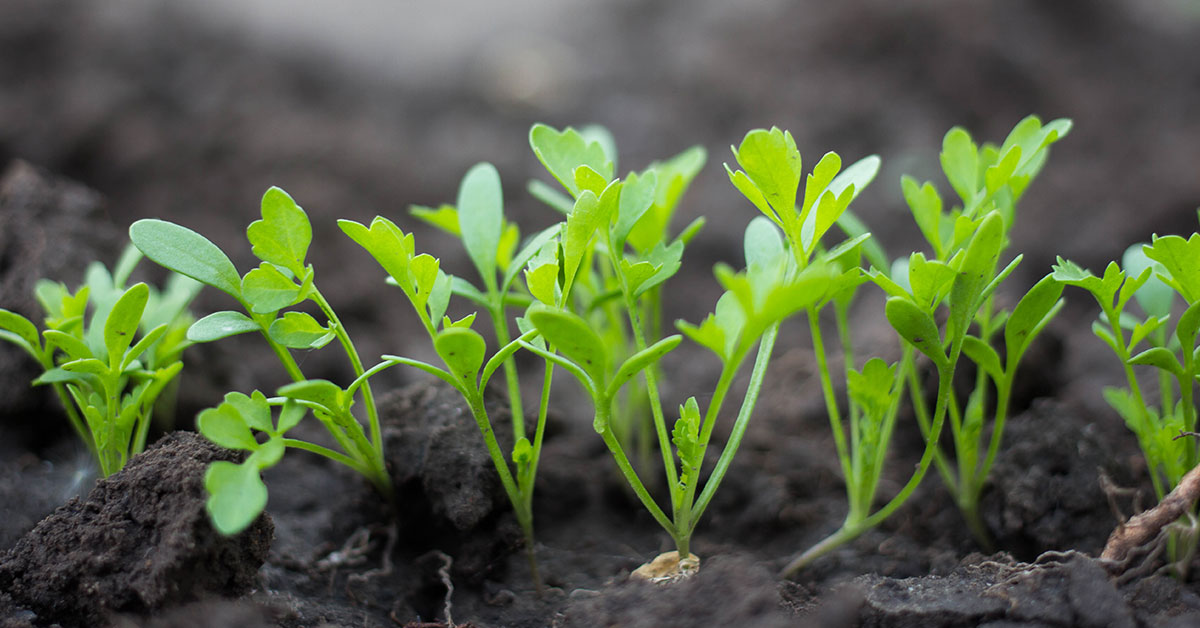
- Germination: The seeds usually germinate within 7-10 days, depending on the temperature and soil conditions. Keep the soil consistently moist during this period to aid germination.
- Thinning: Once the seedlings have grown a few inches tall and have developed their first true leaves, thin them out. Space the seedlings about 4-6 inches apart to allow enough room for growth.
- Care and maintenance: Italian arugula requires regular watering to keep the soil evenly moist. Mulching around the plants can help retain moisture and suppress weed growth. Arugula is generally a low-maintenance plant, but keep an eye out for pests like flea beetles or aphids, which can damage the leaves.
- Harvesting: Italian arugula is typically ready for harvest within 30-40 days after sowing. You can harvest the leaves individually by picking them from the outside of the plant or cut the entire plant off at ground level. Regular harvesting promotes new growth and extends the harvest period.
Remember, arugula is a fast-growing crop, so you can sow seeds every few weeks for a continuous harvest throughout the growing season. Enjoy your homegrown Italian arugula in salads, sandwiches, or as a garnish!
Planting and growing Italian Arugula
Planting and growing Italian arugula is relatively simple. Here are the steps to successfully grow Italian arugula:
- Choose the right time: Italian arugula prefers cool weather, so it’s best to plant it in early spring or fall. Avoid planting during the hot summer months.
- Select a suitable location: Choose a spot in your garden that receives partial shade to full sun. Italian arugula prefers well-drained soil, so make sure the location has good drainage.
- Prepare the soil: Loosen the soil in the planting area using a garden fork or tiller. Remove any weeds or rocks and incorporate organic matter, such as compost or aged manure, to improve soil fertility and drainage.
- Sow the seeds: It can be directly sown into the garden bed. Sprinkle the seeds evenly over the prepared soil, keeping in mind that arugula plants need space to grow. Lightly press the seeds into the soil, but do not cover them with too much soil, as they require light to germinate properly.
- Watering: After sowing the seeds, water the area gently but thoroughly. Keep the soil consistently moist during the germination period, which usually takes around 7-10 days. Once the seedlings emerge, continue to water regularly, ensuring the soil remains evenly moist but not waterlogged.
- Thinning the seedlings: Once the seedlings are a few inches tall, thin them out to allow enough space for proper growth. Space the plants around 6-8 inches apart to give them room to develop.
- Fertilization: Italian arugula is a fast-growing plant and benefits from regular fertilization. Apply a balanced, organic fertilizer every 4-6 weeks throughout the growing season to promote healthy growth.
- Harvesting: The leaves can be harvested when they are young and tender, usually around 4-6 weeks after planting. You can either pick individual leaves or cut the whole plant about an inch above the soil level. Regular harvesting encourages the plant to produce new leaves.
- Pests and diseases: This plant is relatively resistant to pests and diseases. However, keep an eye out for common issues like flea beetles or aphids. If necessary, use organic pest control methods or insecticidal soap to manage these pests.
By following these steps, you should be able to successfully plant and grow Italian arugula in your garden. Enjoy the fresh and peppery flavor of this delicious green!
When to harvest
The best time to harvest is when the leaves are young and tender. Generally, this occurs around 4-6 weeks after sowing the seeds. Arugula is typically ready for harvest when the leaves are about 2-3 inches in length. However, you can also harvest baby arugula leaves when they are smaller, around 1-2 inches long, for a milder flavor. It’s important to regularly monitor your plants and harvest the leaves as needed rather than waiting for them to become overgrown, as they can become more bitter and tough.