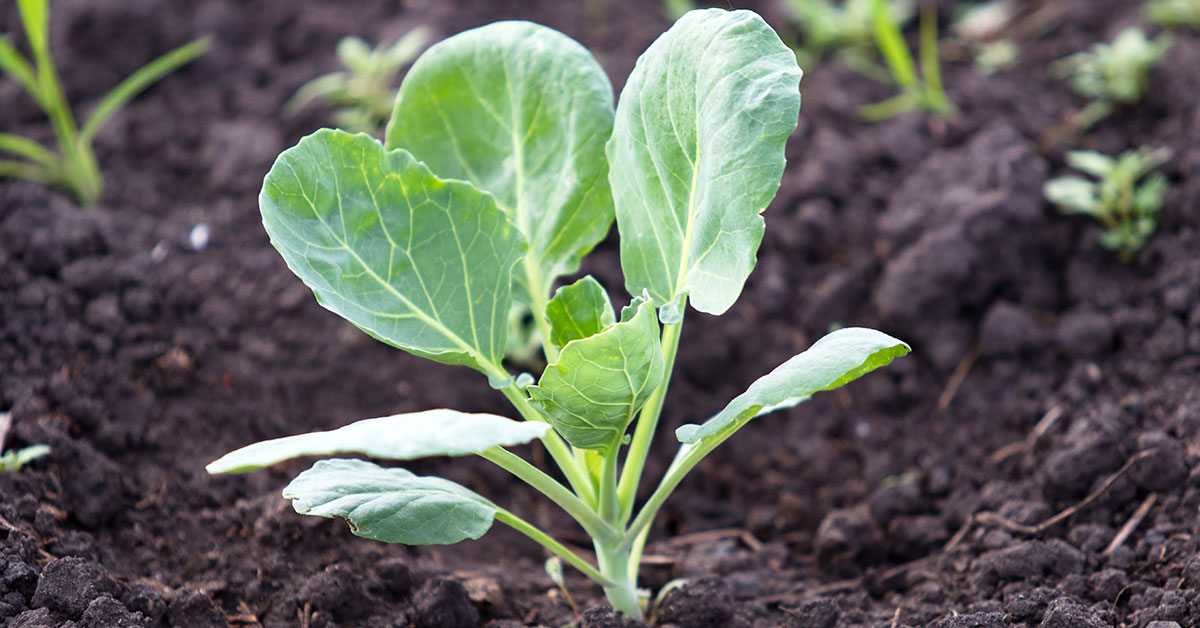

If you’re looking to add some variety to your vegetable garden this season, let me introduce you to the Hestia Brussels sprout. This compact and versatile plant is a popular choice among gardeners, known for its high yields and delicious flavor. Whether you’re a seasoned gardener or just starting out, Hestia Brussels sprouts are relatively easy to grow and offer a rewarding experience.
In this article, we’ll explore the characteristics of the Hestia Brussels sprout, offer some expert tips on cultivation, and share how to make the most of this delightful vegetable in your kitchen. So, grab your gardening tools and let’s dig in!
What is a Hestia Brussels Sprout?
The Hestia Brussels Sprout is a variety of Brussels sprout plant that is highly regarded in the gardening community. It is a compact and dwarf variety, making it suitable for those with limited garden space or even container gardening.
The Hestia Brussels Sprout plant typically grows to a height of around 18-24 inches (45-60 cm) and has a spread of 12-18 inches (30-45 cm). Its compact size makes it an excellent choice for small gardens or for those looking to grow Brussels sprouts in pots or raised beds. One of the notable features of the Hestia variety is its ability to produce an abundance of small, round sprouts. These sprouts are typically about 1 inch (2.5 cm) in diameter and are tightly packed along the stalk.
The flavor of Hestia Brussels sprouts is mild and sweet, making them a popular choice for cooking and roasting. The plant itself has sturdy stems and dark green leaves, providing good support for the developing sprouts. It is a relatively early-maturing variety, usually ready for harvest around 90-100 days after transplanting. When it comes to cultivation, the Hestia Brussels Sprout prefers full sun but can tolerate partial shade. It requires well-drained soil that is rich in organic matter.
Regular watering is essential to keep the soil moist, especially during the dry summer months. Like other Brussels sprout varieties, Hestia benefits from regular fertilization to ensure healthy growth. It is also important to remove any yellowing or damaged leaves to prevent the spread of diseases and encourage better air circulation.
Overall, the Hestia Brussels Sprout is a fantastic choice for gardeners who want to enjoy the delicious taste of homegrown Brussels sprouts, even in limited gardening spaces. Its compact size, abundant yield, and mild flavor make it a popular variety among gardening enthusiasts and culinary enthusiasts alike.
What does Hestia Brussels Sprout taste like?
The Hestia Brussels Sprout is known for its delicious and unique flavor profile. When cooked to perfection, it offers a delicate balance of sweetness and nuttiness with a hint of bitterness. The taste of Hestia Brussels Sprouts can be described as earthy, slightly cabbage-like, and subtly sweet. The texture is firm and tender, providing a satisfying bite. This variety of Brussels sprouts is often praised for its milder and less pungent flavor compared to other varieties, making it a favorite among both Brussels sprout enthusiasts and those who may be new to this vegetable.
How to start from seed
To start growing Hestia Brussels sprouts, follow these steps:
- Choose the right time: Brussels sprouts are cool-season crops, so it’s best to start them indoors about 10-12 weeks before the last expected frost date in your area. This will give them enough time to grow and mature before being transplanted outside.
- Gather the supplies: You will need the following supplies to start Hestia Brussels sprouts: Hestia Brussels sprout seeds, seed trays or pots, seed starting mix, a watering can or spray bottle, and a grow light (optional).
- Fill the seed trays or pots: Fill the trays or pots with a seed starting mix, which is light and well-draining. Leave about 1/4 inch of space at the top to allow for watering.
- Sow the seeds: Place 2-3 Hestia Brussels sprout seeds in each cell or pot, and gently press them into the soil. Cover the seeds with a thin layer of seed starting mix.
- Water the seeds: Use a watering can or spray bottle to moisten the soil thoroughly. Avoid overwatering, as it can lead to damping-off disease. Keep the soil consistently moist but not waterlogged throughout the germination period.
- Provide adequate light: Brussels sprouts need bright light to grow. If you don’t have access to natural sunlight, you can use a grow light placed about 2-3 inches above the seedlings. Keep the light on for about 14-16 hours a day.
- Maintain optimal temperature: Brussels sprouts prefer temperatures between 60-70°F (15-21°C) for germination. Once the seeds have sprouted, maintain a slightly cooler temperature of around 55°F (13°C) to prevent the seedlings from becoming leggy.
- Thin the seedlings: Once the seedlings have developed their first true leaves, thin them to one strong seedling per cell or pot. Remove the weaker seedlings by carefully snipping them at soil level to avoid damaging the remaining one.
- Harden off the seedlings: About a week before transplanting, gradually expose the seedlings to outdoor conditions. Start by placing them outdoors for a few hours in a sheltered spot and gradually increase the time and exposure to sun and wind over the course of a week.
- Transplant outdoors: When the seedlings are 6-8 weeks old and the danger of frost has passed, prepare the garden bed by incorporating compost or well-rotted manure. Transplant the Hestia Brussels sprout seedlings into the garden, spacing them about 18-24 inches apart. Ensure the crown of the plant is level with the soil surface.
- Provide proper care: Water the transplants deeply after planting and continue to keep the soil consistently moist throughout the growing season. Mulching around the plants can help with moisture retention and weed suppression. Fertilize every 3-4 weeks with a balanced organic fertilizer to support healthy growth.
- Monitor for pests and diseases: Keep an eye out for common Brussels sprout pests such as cabbage worms, aphids, and flea beetles. Consider using organic pest control methods if necessary. Also, watch for diseases like clubroot and powdery mildew and take appropriate measures to prevent or treat them.
- Harvesting: Hestia Brussels sprouts generally take about 90-100 days from transplant to harvest. Harvest the sprouts when they reach a desirable size, usually around 1-2 inches in diameter. Start from the bottom of the stalk and work your way up, picking the sprouts as needed.
By following these steps, you can successfully start and grow Hestia Brussels sprouts in your garden. Good luck with your gardening endeavors!
Planting and growing Hestia Brussels Sprout
1. Choose the right location: Hestia Brussels sprouts prefer a sunny spot in your garden with well-drained soil. Ensure that the area receives at least six hours of direct sunlight each day.
- Prepare the soil: Before planting, prepare the soil by removing any weeds or debris. Loosen the soil using a garden fork or tiller, and amend it with organic matter like compost or well-rotted manure to improve drainage and fertility.
- Start seeds indoors (optional): If you want an early start, you can start Hestia Brussels sprouts indoors about 6-8 weeks before the last frost date in your area. Sow the seeds in seed trays or pots filled with seed-starting mix. Keep the soil consistently moist and place the trays in a warm location with sufficient light.
- Transplant seedlings: Once the danger of frost has passed, and the seedlings have grown to about 4-6 inches tall with a few sets of leaves, they are ready to be transplanted outdoors. Harden off the seedlings by gradually exposing them to outdoor conditions over the course of a week. Then, space the plants about 18-24 inches apart in rows that are 2-3 feet apart.
- Plant directly in the garden: Alternatively, you can directly sow the seeds outdoors when the soil temperature reaches around 45°F (7°C). Plant the seeds about ½ inch deep and 1-2 inches apart. Once the seedlings emerge, thin them to the desired spacing.
- Provide proper care: Water the plants regularly, aiming to keep the soil consistently moist without waterlogging it. Mulching around the plants can help retain moisture and suppress weed growth. Fertilize the plants every 3-4 weeks with a balanced organic fertilizer.
- Support the plants: As the plants grow taller, they may require support to prevent them from toppling over. You can insert stakes or use a trellis system to provide support and keep the plants upright.
- Monitor for pests and diseases: Keep an eye out for common pests like aphids, cabbage loopers, and cabbage worms. If you notice any signs of infestation, treat them promptly with organic pest control methods. Also, watch for diseases like clubroot and take necessary precautions such as crop rotation.
- Harvesting: Hestia Brussels sprouts typically mature within 90-100 days. Harvest the sprouts when they reach a firm and compact size, about 1-2 inches in diameter. Start from the bottom of the plant and remove the sprouts by twisting them gently. You can continue harvesting the sprouts as needed, even after the lower leaves have fallen.
By following these steps, you should be able to successfully plant and grow Hestia Brussels sprouts in your garden. Enjoy the fresh and delicious harvest!
When to harvest
The best time to harvest Hestia Brussels Sprouts is when the sprouts have reached a good size and are firm to the touch. This usually occurs when they are about 1-2 inches in diameter. It is important to harvest them before they become too large and start to lose their flavor and tenderness. Generally, Hestia Brussels Sprouts are ready for harvest approximately 90-110 days after transplanting, depending on growing conditions and climate.