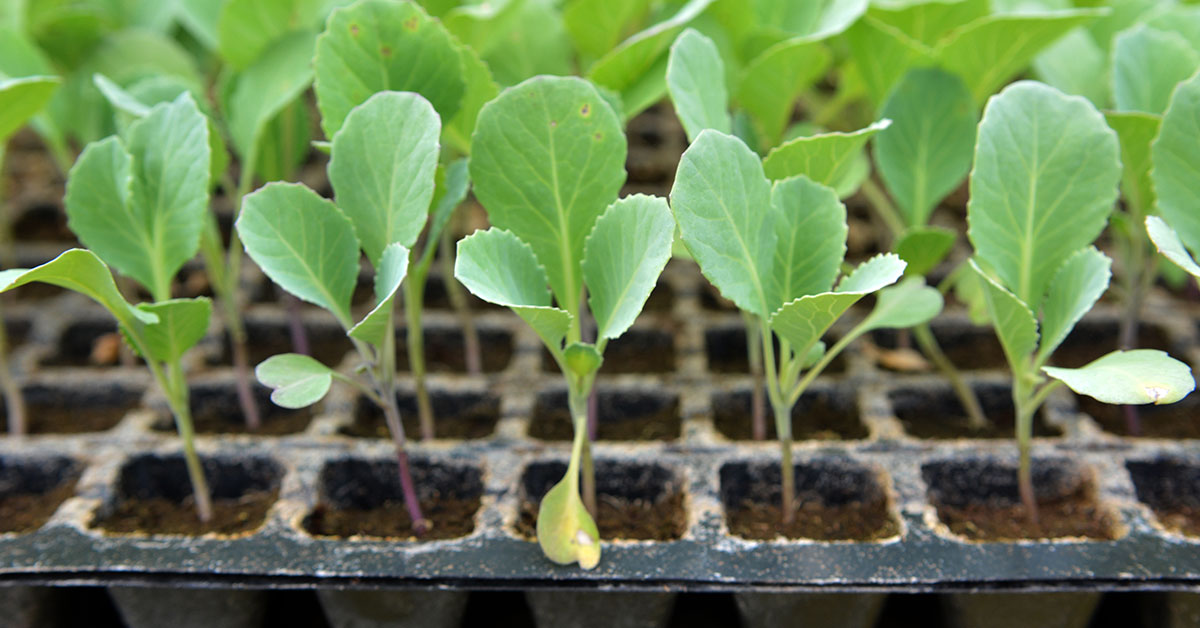

The Golden Acre cabbage is a versatile and nutritious vegetable that deserves a prominent place in every gardener’s plot. Golden Acre cabbage, scientifically known as Brassica oleracea var. capitata, is a compact and hardy variety that is cherished for its sweet and tender leaves, making it a favorite among both home gardeners and commercial farmers.
With its vibrant golden-green color, crisp texture, and delightful flavor, Golden Acre cabbage is not only a delight to the taste buds but also a nutritional powerhouse, packed with essential vitamins and minerals. Whether you are a beginner or an experienced gardener, this article will guide you through the process of growing, caring for, and harvesting Golden Acre cabbage, ensuring a bountiful and rewarding gardening experience.
What is a Golden Acre Cabbage?
Golden Acre Cabbage, also known as Brassica oleracea var. capitata ‘Golden Acre’, is a popular variety of cabbage that is widely cultivated in home gardens and commercial farms. It is known for its compact head, sweet flavor, and tender leaves. The cabbage head of Golden Acre is typically round in shape, with tightly packed, pale green to yellow-green leaves. It is relatively small in size, making it perfect for smaller gardens or for those who prefer smaller portions.
The head can reach a diameter of about 6 to 8 inches (15 to 20 centimeters), and it has a firm texture. One of the key features of Golden Acre Cabbage is its ability to grow quickly. It matures in approximately 60 to 70 days from transplanting, making it an ideal choice for gardeners who want to enjoy an early harvest. It is also a hardy plant that can tolerate cooler temperatures, making it suitable for both spring and fall planting.
When it comes to taste, Golden Acre Cabbage is known for its mild and sweet flavor. The leaves are tender and crispy, making them versatile in various culinary preparations. Whether you want to enjoy it raw in salads, add it to stir-fries, or cook it in soups and stews, Golden Acre Cabbage provides a delightful taste and texture.
As a gardener, it is important to note that Golden Acre Cabbage requires fertile, well-drained soil and full sun exposure for optimum growth. It is recommended to plant them in rows, leaving adequate spacing between each plant to allow proper airflow and prevent overcrowding.
Regular watering and occasional fertilization will help promote healthy growth and maximize yield. Additionally, keep an eye out for common cabbage pests such as aphids, cabbage loopers, and cabbage worms, and take appropriate measures to control them if necessary. In summary, Golden Acre Cabbage is a compact, fast-growing, and flavorful variety of cabbage. Its small size, sweet taste, and tender leaves make it a popular choice among gardeners and vegetable enthusiasts alike.
What does Golden Acre Cabbage taste like?
Golden Acre cabbage is known for its delicate and mild flavor. When cooked, it has a slightly sweet taste with a hint of earthiness. The leaves have a tender and crisp texture, making it a versatile vegetable for various cooking methods. Whether steamed, sautéed, or used in salads, the taste of Golden Acre cabbage is refreshing and subtly sweet. It pairs well with a range of ingredients and seasonings, allowing its flavor to shine through without overpowering other flavors in a dish. Overall, the taste of Golden Acre cabbage is pleasingly mild and enjoyable for both raw and cooked preparations.
How to start from seed
Starting Golden Acre Cabbage from seeds is a relatively straightforward process. Here’s a step-by-step guide to help you get started:
- Selecting seeds: Choose high-quality Golden Acre Cabbage seeds from a reputable seed supplier or garden center. Look for fresh seeds with a high germination rate.
- Timing: Cabbage is a cool-season crop, so it’s important to time your planting correctly. Golden Acre Cabbage is typically started indoors 6-8 weeks before the last frost date in your area. Check your local frost dates to determine the best time to start your seeds.
- Soil preparation: Prepare a seed-starting mix or use a combination of peat moss, vermiculite, and perlite. Fill seed trays or small pots with the seed-starting mix, leaving about half an inch of space at the top.
- Sowing seeds: Place 2-3 seeds in each pot or cell, pressing them gently into the soil about a quarter of an inch deep. Space the seeds about 2 inches apart. Mist the soil with water to moisten it.
- Germination: Cabbage seeds typically germinate within 7-10 days when kept at an optimal temperature of around 70°F (21°C). To encourage germination, cover the seed trays with a plastic dome or wrap them in a clear plastic bag. Keep the soil consistently moist but not waterlogged.
- Light and temperature: Once the seeds have germinated, remove the plastic covering and place the seedlings in a location that receives bright, indirect light. Maintain a temperature between 60-70°F (15-21°C) during the day and slightly cooler at night.
- Thinning: After a week or two, when the seedlings have developed their first true leaves, thin them out by removing the weaker seedlings, leaving only the strongest one in each cell or pot. Snip the smaller seedlings at the soil line to avoid disturbing the roots of the remaining plant.
- Transplanting: When the seedlings have grown to about 3-4 inches tall and have a few sets of true leaves, they are ready to be transplanted into the garden. Harden off the seedlings by gradually exposing them to outdoor conditions over a period of a week.
- Planting in the garden: Choose a sunny location in your garden with well-draining soil. Dig a hole slightly larger than the root ball of the seedling and gently place the plant in the hole. Space the plants about 12-18 inches apart, depending on the desired size of the heads.
- Care and maintenance: Water the seedlings well after transplanting and keep the soil consistently moist throughout the growing season. Mulching around the plants can help retain moisture and control weeds. Fertilize the plants with a balanced vegetable fertilizer according to the package instructions.
- Harvesting: Golden Acre Cabbage typically matures in about 70-80 days from transplanting. Harvest the cabbage heads when they reach a desirable size and firmness. Cut the heads from the stem, leaving a few outer leaves intact to protect the inner head.
By following these steps, you can successfully start and grow your own Golden Acre Cabbage plants. Enjoy the process and the tasty rewards of your garden!
Planting and growing Golden Acre Cabbage
Planting and growing a Golden Acre cabbage involves several steps. Here is a guide to help you successfully grow this variety:
- Choose the right time: Golden Acre cabbage is a cool-season crop, so it’s best to plant it in early spring or late summer/early fall. Make sure the soil temperature is above freezing, ideally between 45-75°F (7-24°C).
- Select a suitable location: Cabbage plants require full sun exposure, so choose a spot in your garden that receives at least 6 hours of direct sunlight per day. Ensure the soil is well-draining and rich in organic matter.
- Prepare the soil: Before planting, loosen the soil to a depth of 12-15 inches (30-38 cm) using a garden fork or tiller. Remove any weeds, rocks, or debris. Incorporate well-aged compost or organic matter to improve soil fertility and drainage.
- Start seeds indoors (optional): This vegetable can be directly sown outdoors, but starting seeds indoors 4-6 weeks before the last expected frost can give you a head start. Use seed-starting trays or small pots filled with seed-starting mix. Plant the seeds ¼ inch (0.6 cm) deep and keep them in a warm, well-lit area until they germinate.
- Transplanting seedlings: Once the seedlings have developed a couple of true leaves and outdoor conditions are favorable, transplant them into the garden. Space the seedlings about 12-18 inches (30-45 cm) apart, allowing enough room for them to grow and develop.
- Watering: Cabbage plants need consistent moisture for optimal growth. Water the plants regularly, aiming for about 1 inch (2.5 cm) of water per week. Avoid overhead watering to reduce the risk of diseases. Instead, use a soaker hose or water at the base of the plant.
- Fertilizing: Cabbage plants benefit from regular feeding. Apply a balanced vegetable fertilizer according to the package instructions every 3-4 weeks or use a slow-release fertilizer at planting time. Additionally, side-dress the plants with compost or well-rotted manure halfway through the growing season.
- Pest and disease control: Keep an eye out for common cabbage pests such as cabbage worms, slugs, and aphids. Use organic pest control methods like handpicking, neem oil, or insecticidal soap if necessary. Floating row covers can also help prevent pest infestations. Monitor for diseases such as clubroot, black rot, or powdery mildew and take appropriate measures if detected.
- Harvesting: Golden Acre cabbage typically matures in about 70-90 days after planting. Harvest the heads when they are firm and have reached their full size, usually around 6-7 inches (15-18 cm) in diameter. Use a sharp knife to cut the cabbage just above the soil level.
By following these steps, you should be able to successfully plant and grow Golden Acre cabbage in your garden. Happy gardening!
When to harvest
The best time to harvest a Golden Acre cabbage is when the head feels firm and solid to the touch. Typically, this occurs when the cabbage head reaches its full size, which is usually around 6-7 inches in diameter. It is important to harvest the cabbage before it bolts (starts to flower) as this can affect the flavor and texture of the cabbage. Generally, Golden Acre cabbages are ready for harvest approximately 70-80 days after transplanting.