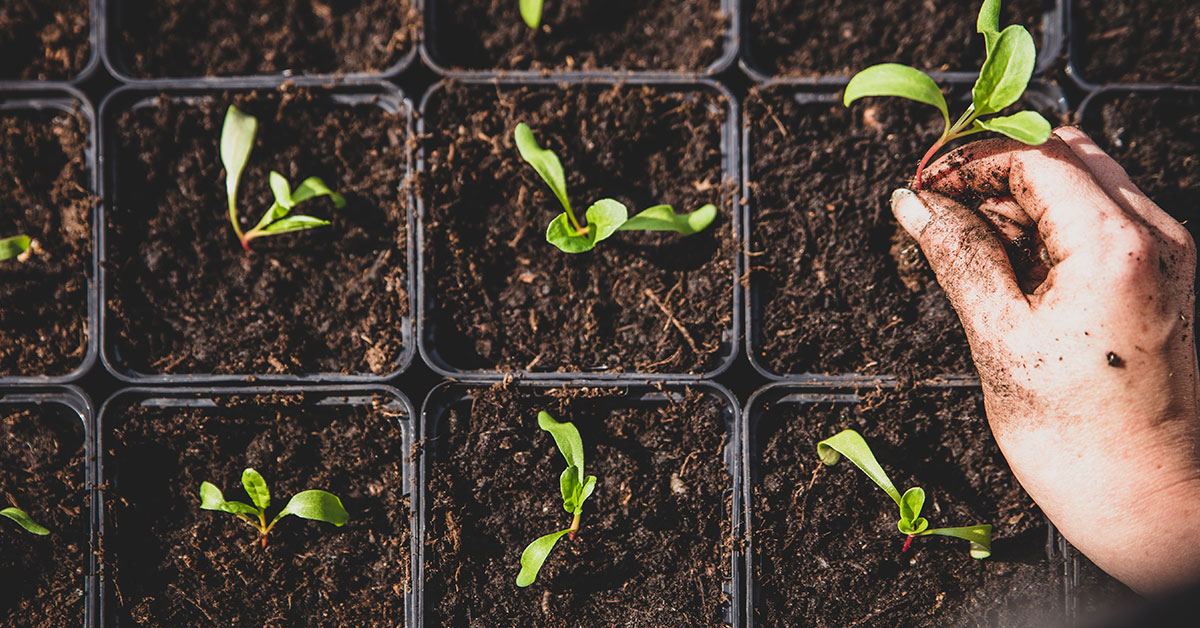

Welcome to our comprehensive guide on Five Color Silverbeet Chard, the vibrant and versatile leafy green that will bring a burst of color to your garden! Whether you are a seasoned gardener or a novice looking to expand your vegetable patch, Five Color Silverbeet Chard is a fantastic addition to any garden. With its stunning range of vibrant hues, including deep red, bright yellow, and rich purple, this chard variety is not only visually appealing but also packed with nutrients.
In this article, we will delve into the fascinating world of Five Color Silverbeet Chard, exploring its history, growing requirements, culinary uses, and health benefits. So, get ready to embark on a journey of discovery as we uncover the secrets of this fantastic leafy green!
What is a Five Color Silverbeet Chard?
Five Color Silverbeet Chard, also known as Swiss chard or simply chard, is a vibrant and versatile leafy green vegetable that is popular among gardeners and cooks alike. As the name suggests, this particular variety of chard offers a stunning array of colors, making it visually appealing in the garden and on the plate. The leaves of Five Color Silverbeet Chard are large and glossy, with a slightly wrinkled texture. The colors range from deep green to vibrant shades of yellow, orange, pink, and red. These colorful stems are thick, fleshy, and often ribbed, adding both texture and flavor to the plant.
One of the most appealing aspects of this chard variety is its ability to add a splash of color to any garden or dish. The different hues of the leaves and stems create a beautiful contrast when grown together. Making it an eye-catching addition to ornamental vegetable gardens or edible landscapes. In terms of taste, Five Color Silverbeet Chard has a mild and slightly earthy flavor with a hint of sweetness. The leaves are commonly used in salads, stir-fries, and soups. While the stems can be cooked and enjoyed like asparagus or added to various dishes for a crunchy texture.
Growing Five Color Silverbeet Chard is relatively easy. It thrives in well-draining soil and requires full sun or partial shade to grow to its full potential. Regular watering and occasional fertilization are beneficial for healthy growth. This variety is known for its ability to withstand cooler temperatures, making it suitable for both spring and fall planting. Whether you are looking to enhance the visual appeal of your garden or add a pop of color to your meals, Five Color Silverbeet Chard is an excellent choice. With its vibrant colors, mild flavor, and versatility in the kitchen, it is sure to be a delightful addition to any garden or plate.
What does Five Color Silverbeet Chard taste like?
The Five Color Silverbeet Chard is a visually stunning variety of Swiss chard, known for its vibrant and diverse color palette. When it comes to taste, this chard offers a delightful combination of earthy, slightly bitter, and slightly sweet flavors.
The leaves of Five Color Silverbeet Chard have a tender, yet slightly crisp texture, making them perfect for both raw and cooked preparations. The taste is often described as similar to spinach or beet greens, but with a milder sweetness and less tanginess. The bitterness is subtle, adding a pleasant depth to the overall flavor profile.
When harvested young, the leaves are more tender and have a milder taste. As the plant matures, the leaves become slightly tougher and the flavor intensifies. However, even at their peak maturity, Five Color Silverbeet Chard remains quite enjoyable to eat.
Whether sautéed, steamed, stir-fried, or incorporated into soups and stews, the Five Color Silverbeet Chard brings a unique and delicious taste to any dish. Its vibrant colors also make it an appealing addition to salads, providing both visual interest and a delightful flavor.
How to start from seed
To start a Five Color Silverbeet Chard, also known as Swiss chard, you can follow these steps:
- Choosing the right time: Swiss chard is a cool-season crop, so it’s best to start growing it in early spring or late summer for a fall harvest. Make sure the soil temperature is above 50°F (10°C) for optimal germination.
- Selecting a suitable location: Swiss chard prefers a sunny location, but it can tolerate partial shade as well. Ensure that the chosen spot has well-draining soil and is away from strong winds.
- Preparing the soil: Before sowing, prepare the soil by removing any weeds, rocks, or debris. Loosen the soil to a depth of about 8-10 inches. Then mix in organic matter like compost or well-rotted manure to improve the soil’s fertility and drainage.
- Sowing the seeds: Swiss chard seeds are relatively large and easy to handle. Make furrows in the soil about ½ inch deep, spacing them 12-18 inches apart. Sow the seeds about 1 inch apart in the furrows and cover them with soil. Alternatively, you can sow the seeds in seedling trays or pots and transplant them later.
- Watering: After sowing, water the area thoroughly but gently to ensure the soil is evenly moist. Keep the soil consistently moist throughout the germination process, which usually takes around 7-14 days.
- Thinning the seedlings: Once the seedlings have emerged and grown a few inches tall, thin them out to provide enough space for each plant to grow. Leave about 6-8 inches of space between each seedling.
- Mulching and fertilizing: Apply a layer of organic mulch around the plants to help retain moisture, suppress weed growth, and maintain even soil temperature. Additionally, you can fertilize the plants with a balanced organic fertilizer according to the manufacturer’s instructions to provide them with essential nutrients.
- Regular maintenance: Swiss chard requires regular watering, especially during dry periods. Ensure that the soil remains consistently moist but not waterlogged. Monitor the plants for any signs of pests or diseases, and take appropriate measures if necessary.
- Harvesting: Swiss chard leaves can be harvested when they reach a usable size, usually around 8-10 inches long. You can pick individual leaves or harvest the entire plant by cutting it just above the soil level. Regular harvesting promotes continuous growth and ensures tender leaves.
By following these steps, you can successfully start and grow your Five Color Silverbeet Chard, enjoying its vibrant and nutritious leaves throughout the growing season.
Planting and growing Five Color Silverbeet Chard
To plant and grow a Five Color Silverbeet Chard, follow these steps:
- Choose a suitable location: Select a spot in your garden that receives full sun or partial shade. Ensure the soil is well-draining and rich in organic matter.
- Prepare the soil: Loosen the soil using a garden fork or tiller. Remove any weeds or debris and work in compost or well-rotted manure to improve the soil’s fertility.
- Sow the seeds: Silverbeet chard can be directly sown into the garden or started indoors before transplanting. If starting indoors, sow the seeds in seedling trays or pots filled with a seed-starting mix, about 6-8 weeks before the last expected frost date. Plant the seeds 1/2 inch deep and keep the soil consistently moist until germination occurs.
- Transplanting: If you started the seeds indoors, transplant the seedlings into the garden when they have developed a few sets of true leaves and the danger of frost has passed. Space the seedlings about 12-18 inches apart to allow them room to grow.
- Watering: Keep the soil evenly moist throughout the growing season. Water deeply, but avoid overwatering, as it can lead to root rot. Silverbeet chard prefers consistent moisture levels.
- Mulching: Apply a layer of organic mulch, such as straw or wood chips, around the plants to help retain moisture, suppress weed growth, and maintain an even soil temperature.
- Fertilizing: Silverbeet chard benefits from regular fertilization. Apply a balanced organic fertilizer or compost around the base of the plants every 4-6 weeks throughout the growing season.
- Pests and diseases: Keep an eye out for common pests like aphids, slugs, and snails. Use organic pest control methods such as handpicking, neem oil, or insecticidal soap to manage infestations. Monitor for diseases such as leaf spot or powdery mildew and take appropriate measures if needed.
- Harvesting: Begin harvesting the outer leaves of the chard when they reach a suitable size, typically around 6-8 inches long. Cut the leaves at the base, leaving the center intact to allow for continued growth. Regular harvesting promotes new leaf growth.
By following these steps, you should be able to successfully plant and grow Five Color Silverbeet Chard in your garden. Enjoy the vibrant and nutritious harvest!
When to harvest
The best time to harvest Five Color Silverbeet Chard is when the leaves are young and tender, typically around 6-8 weeks after planting. You can start harvesting individual leaves as soon as they reach a size of around 6-8 inches in length. It’s important not to wait too long to harvest, as the leaves can become tough and bitter if left on the plant for too long. Regularly harvesting the outer leaves will encourage the plant to produce more leaves for continued harvest throughout the growing season.