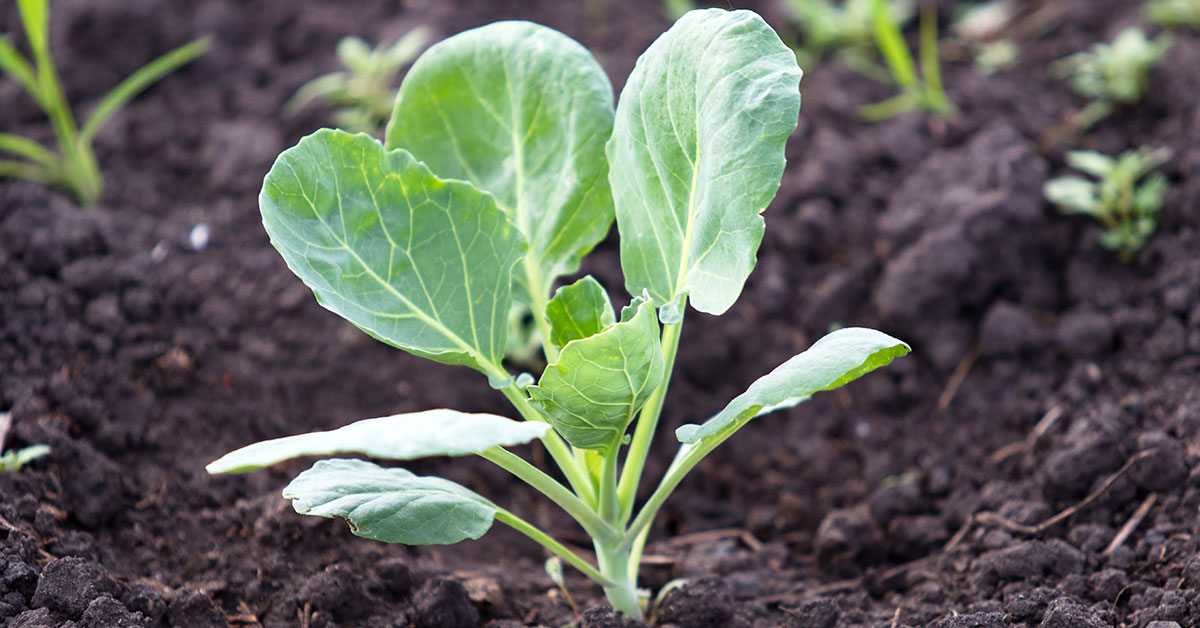

The Falstaff Brussels Sprout is a delightful and nutritious vegetable that holds a special place in any garden. From its compact size and vibrant foliage to its delectable taste and versatility in the kitchen, the Falstaff Brussels Sprout is a must-have addition to any garden.
So, whether you are a seasoned green thumb or a gardening novice, join me as we journey through the ins and outs of growing and caring for this remarkable vegetable. Get ready to embark on a rewarding journey that will not only enhance your gardening skills but also provide you with a delicious and healthy addition to your culinary repertoire.
What is a Falstaff Brussels Sprout?
Falstaff Brussels Sprout is a variety of Brussels sprout plant that is known for its exceptional taste and reliable growth. It belongs to the Brassica oleracea species, which also includes cabbage, kale, and broccoli.
The Falstaff Brussels Sprout plant typically grows to a height of about 2 to 3 feet (60-90 cm) and has a compact, sturdy structure. Its leaves are dark green and slightly wrinkled, forming a dense rosette at the top of the plant. The sprouts themselves are small, round, and tightly packed, with a vibrant green color. One of the distinguishing features of the Falstaff Brussels Sprout is its ability to produce abundant yields of sprouts. It usually takes around 90-100 days from planting to harvest, although this can vary depending on the climate and growing conditions.
The sprouts mature from the bottom of the plant upward, allowing for a staggered harvest. In terms of flavor, the Falstaff Brussels Sprout is known for its sweet and nutty taste. The sprouts have a tender texture, especially when harvested at their peak freshness. They can be enjoyed both raw and cooked, and are often used in various culinary dishes, such as stir-fries, roasts, and salads.
Like other Brussels sprout varieties, the Falstaff Brussels Sprout prefers cool temperatures and full sun exposure. It requires well-drained soil that is rich in organic matter. Adequate watering and regular fertilization are essential for its healthy growth. Additionally, protecting the plant from pests like aphids and cabbage worms is important, as these can cause damage to the leaves and sprouts.
Overall, the Falstaff Brussels Sprout is a popular choice among gardeners due to its delicious taste, high yield, and ease of cultivation. Whether you are a beginner or an experienced gardener, this variety can be a rewarding addition to your vegetable garden.
What does Falstaff Brussels Sprout taste like?
The Falstaff Brussels Sprout has a delicious and unique taste. It is characterized by a slightly sweet and nutty flavor, with a hint of bitterness. The sprouts are tender and have a crisp texture, making them enjoyable to bite into. When cooked, they develop a rich and savory taste that pairs well with a variety of dishes. The flavor profile of the Falstaff Brussels Sprout is often described as earthy and robust, making it a delightful addition to any culinary creation. Whether roasted, sautéed, or steamed, the taste of Falstaff Brussels Sprouts is sure to impress even the most discerning palates.
How to start from seed
Starting a Falstaff Brussels Sprout plant involves a few key steps. Here’s a guide to help you through the process:
- Seed Selection: Choose high-quality Falstaff Brussels Sprout seeds from a reputable source. Look for fresh, viable seeds with a good germination rate.
- Germination: Start by germinating the seeds indoors, about 6-8 weeks before the last frost date in your area. Fill a seed tray or small pots with a sterile seed-starting mix. Moisten the mix evenly, but avoid making it too soggy. Plant the seeds about 1/4 inch deep, spacing them about 2 inches apart. Cover the seeds lightly with the seed-starting mix.
- Warmth and Moisture: Place the seed tray or pots in a warm location with a temperature of around 70-75°F (21-24°C). Maintain consistent moisture by misting the soil lightly or using a spray bottle regularly. Ensure the soil remains moist but not waterlogged.
- Germination Period: Brussels Sprout seeds usually take 7-14 days to germinate. During this time, keep an eye on the moisture levels and ensure the seeds receive sufficient light. Once the seedlings emerge, provide them with bright, indirect light or use supplemental grow lights to promote healthy growth.
- Transplanting: When the seedlings have grown their first true leaves and are about 3-4 inches tall, they are ready for transplanting. Harden them off gradually by exposing them to outdoor conditions for increasing periods over a week. Choose a well-draining garden bed or large containers with nutrient-rich soil. Brussels Sprouts prefer fertile soil with a pH of 6.0-7.5.
- Spacing: Brussels Sprouts need ample space to grow, so ensure each plant is spaced about 18-24 inches apart. This spacing allows adequate airflow and prevents overcrowding.
- Care and Maintenance: Provide regular water to keep the soil evenly moist, especially during dry spells. Apply a layer of organic mulch around the base of the plants to retain moisture, suppress weeds, and regulate soil temperature. Fertilize the plants every 3-4 weeks with a balanced organic fertilizer, following the package instructions.
- Staking: As the plants grow, they may become top-heavy. Consider providing support, such as stakes or cages, to prevent plants from bending or breaking under their weight.
- Pruning: To encourage vigorous growth, remove any yellowing or damaged leaves as needed. This helps maintain good air circulation and prevents the spread of diseases.
- Harvesting: Falstaff Brussels Sprouts are ready to harvest when the sprouts are firm and about 1-2 inches in diameter. Start picking from the bottom of the stalk, working your way up. You can harvest the entire plant when the lower sprouts are ready or pick them selectively as they mature.
By following these steps, you’ll be on your way to growing healthy and delicious Falstaff Brussels Sprouts in your garden. Happy gardening!
Planting and growing Falstaff Brussels Sprout
To plant and grow a Falstaff Brussels Sprout, follow these steps:
- Choose the right time: Brussels sprouts are a cool-season crop, so it’s best to plant them in early spring for a fall harvest. You can also start them indoors 6-8 weeks before the last frost date.
- Prepare the soil: Select a sunny location in your garden with well-draining soil. Brussels sprouts prefer fertile soil rich in organic matter. Amend the soil with compost or aged manure to improve its nutrient content.
- Start seeds or seedlings: If starting from seeds, sow them indoors in seed trays or pots. Plant the seeds about ¼ inch deep and keep the soil consistently moist. Once the seedlings have developed a few true leaves, you can transplant them outdoors. Alternatively, you can purchase young Brussels sprout seedlings from a local nursery.
- Transplanting: Before transplanting, harden off the seedlings by gradually exposing them to outdoor conditions over a week. Space the plants about 18-24 inches apart, allowing enough room for the mature plants to grow. Dig a hole slightly larger than the root ball, place the seedling in the hole, and backfill with soil. Gently firm the soil around the base of the plant.
- Watering: Keep the soil consistently moist, but avoid overwatering, as it can lead to root rot. Water deeply and regularly, especially during dry periods. A layer of mulch around the plants can help retain moisture and suppress weeds.
- Fertilizing: Brussels sprouts are heavy feeders. Fertilize the plants every 3-4 weeks with a balanced organic fertilizer or apply a slow-release fertilizer at the time of planting. Side-dress the plants with compost or aged manure throughout the growing season to provide additional nutrients.
- Support: As the plants grow taller, they may require support to prevent them from toppling over in strong winds. You can use stakes or cages to provide support to the main stem.
- Pest and disease management: Brussels sprouts are prone to pests like aphids, cabbage worms, and cabbage loopers. Regularly inspect the plants for any signs of pest damage and take appropriate measures such as handpicking or using organic pest controls. Additionally, watch out for common diseases like clubroot and powdery mildew. Rotate crops annually and ensure good airflow around the plants to minimize disease risks.
- Harvesting: Falstaff Brussels sprouts typically take around 90-120 days to mature. Begin harvesting the sprouts from the bottom of the plant when they are firm and 1-2 inches in diameter. Remove the lower leaves as you harvest to encourage the growth of larger sprouts higher up the stalk. Harvesting can continue until the first frost, as the flavor of the sprouts improves after a light frost.
By following these steps, you can successfully plant and grow your Falstaff Brussels Sprouts and enjoy a bountiful harvest.
When to harvest
The best time to harvest Falstaff Brussels sprouts is typically when the sprouts are firm and reach about 1.5 to 2 inches in diameter. This usually occurs around 90-100 days after transplanting the seedlings into the garden. However, it’s important to keep in mind that the exact timing can vary depending on your specific growing conditions and the maturity of the plant. To check if the sprouts are ready for harvest, gently squeeze one of the lower sprouts. If it feels firm and tightly closed, it is likely ready to be harvested. Harvesting the sprouts from the bottom of the stalk upwards will allow the upper sprouts to continue growing and maturing.