
In the hustle and bustle of our modern lives, the simple pleasure of tending a garden can offer a sanctuary of tranquillity and an opportunity to connect with nature. But did you know that choosing to grow flowers native to the United Kingdom in your garden can have far-reaching impacts on your local ecosystem and biodiversity? In the United Kingdom, the rich horticultural heritage is a testament to the variety and beauty of native flowers, each uniquely adapted to our climate and soils, having evolved over thousands of years.
In this article, we delve into the world of the UK’s native flowers, celebrating their beauty and resilience. We’ll not only introduce you to some of the most enchanting species you can cultivate in your back garden but also explain their ecological importance.
Whether you are a novice gardener looking to add a splash of local colour to your yard or an experienced horticulturist aiming to cultivate a more sustainable and wildlife-friendly garden, growing native flowers opens a world of opportunities. Join us as we explore the array of UK native flowers, their care, and their contribution to preserving our cherished biodiversity.
Why choose native flowers in the UK?
Choosing to plant native flowers in your UK garden comes with several advantages:
- Support Local Biodiversity: Native plants provide important habitats and food sources for wildlife, including bees, butterflies, birds, and other beneficial insects. By choosing native plants, you can help to preserve and enhance your local ecosystem.
- Adapted to Local Conditions: Native plants are well-adapted to the climate, soil conditions, and pests of their native region, making them generally easier to care for than non-native species. They are often drought-tolerant and disease-resistant, which reduces the need for watering, fertilizers, and pesticides.
- Seasonal Variety: Native plants tend to offer a wide variety of shapes, sizes, and colours throughout the year, providing seasonal interest in the garden.
- Environmentally Friendly: Since native plants are adapted to local conditions, they typically require less maintenance and fewer resources, such as water and fertilizers. This makes them a more environmentally friendly choice.
- Preservation of Heritage: Planting native species can help preserve the natural heritage of an area and maintain the UK’s unique landscape aesthetic.
- Resilience: Gardens with native plants can often recover more quickly from environmental disturbances, like storms or drought, as these plants have evolved to survive the natural variations of their local climate.
While there are many benefits to planting native species, it’s also okay to incorporate non-native species into your garden, particularly if they offer benefits for wildlife. However, it’s important to avoid invasive non-native species that can harm local ecosystems. Always check whether a plant is invasive in your area before adding it to your garden.
Annual Flowers Native To The United Kingdom
Annual flowers typically grow, bloom, produce seeds, and die in a single growing season. Here are a few native annual flowers in the United Kingdom that you might want to consider for your garden:
- Cornflower (Centaurea cyanus): Known for its intense blue colour, cornflowers are a favourite for their ability to attract pollinators. They prefer full sun and well-drained soil.
- Field Poppy (Papaver rhoeas): Also known as the common poppy, this plant produces vibrant red flowers. It prefers full sun and well-drained soil. It can often be seen in fields and along road sides.
- Corn Marigold (Glebionis segetum): This flower sports bright yellow blooms that resemble small sunflowers. It’s a sturdy plant that prefers full sun.
- Corncockle (Agrostemma githago): Once common in wheat fields, corncockle has large, magenta flowers and prefers full sun.
- Night-flowering Catchfly (Silene noctiflora): This plant produces white flowers that open in the evening and at night, releasing a sweet fragrance.
- Charlock (Sinapis arvensis): A member of the mustard family, charlock produces yellow flowers. It’s a hardy plant that can tolerate a variety of conditions.
Remember, annual plants need to be replanted each year, so they’re a good choice if you enjoy changing up your garden’s look every spring. It’s also worth noting that many of these plants are often found in wildflower mixes, which can be an easy way to introduce a range of native annual flowers to your garden. These plants are also great for attracting and supporting native wildlife.
Perennial Flowers Native To The United Kingdom
Perennial flowers return year after year, making them a low-maintenance choice for many gardeners. Here are several perennial flowers native to the United Kingdom that you can consider:
- Primrose (Primula vulgaris): These charming perennials flower in early spring and prefer well-drained, moist soil in partial shade.
- Wood Anemone (Anemone nemorosa): These delicate, usually white, flowers are a great choice for shaded areas in your garden.
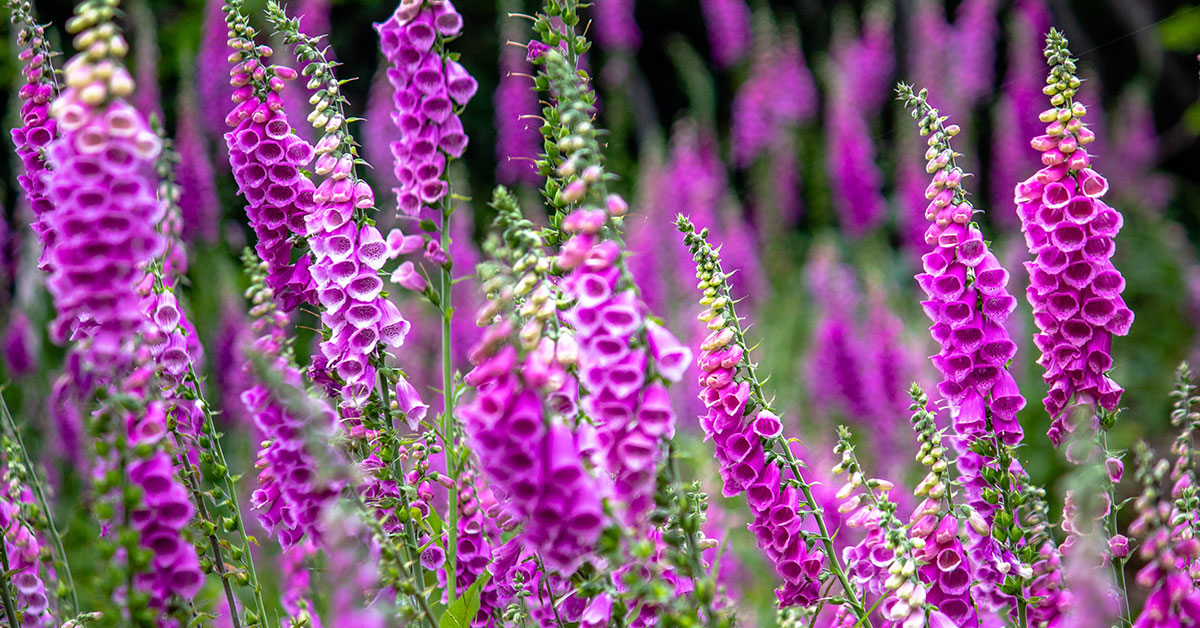
- Foxglove (Digitalis purpurea): This tall plant, with its distinctive spike of bell-shaped flowers, is an excellent choice for a woodland garden or a shaded border.
- Dog Rose (Rosa canina): Dog roses are climbing plants that produce pretty pink or white flowers. They’re perfect for wilder parts of the garden and can be used to cover a wall or fence.
- Meadow Cranesbill (Geranium pratense): This hardy geranium is a great border plant and produces purple-blue flowers.
- Sea Thrift (Armeria maritima): Also known as Sea Pink, it produces small pink flowers and is great for rock gardens or borders.
- Harebell (Campanula rotundifolia): Known as the ‘bluebell of Scotland’, this plant produces delicate bell-shaped blue flowers and prefers well-drained soil.
- Cowslip (Primula veris): This is another early spring bloomer with yellow flowers. Cowslips prefer full sun or partial shade and well-drained soil.
- Oxeye Daisy (Leucanthemum vulgare): This cheerful plant produces large white daisy-like flowers with yellow centres. It prefers full sun and well-drained soil.
- Betony (Stachys officinalis): This plant produces spikes of purple flowers and is a great choice for a sunny or partially shaded spot in your garden.
Planting perennials native to the UK not only creates a sense of place, but also provides vital habitats and food sources for native wildlife, including bees, butterflies, and other beneficial insects.