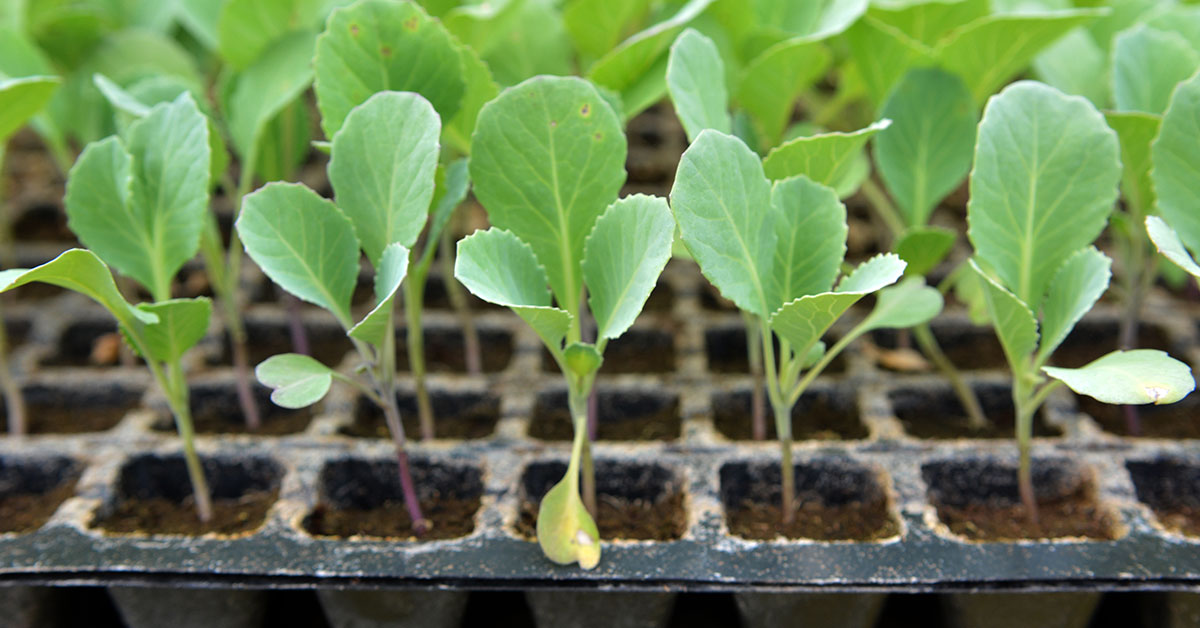

Welcome to our gardening guide, where we aim to equip you with the knowledge and expertise to cultivate a successful cabbage crop in the beautiful state of Utah. As an experienced gardener, I understand the importance of timing when it comes to planting vegetables, and cabbage is no exception. In this article, we will delve into the best time to plant cabbage in Utah, taking into consideration the unique climate and growing conditions of this region.
Whether you are a seasoned gardener looking to optimize your cabbage harvest or a beginner eager to embark on your first vegetable garden adventure, read on to discover the optimal planting times, tips, and tricks to ensure a bountiful cabbage harvest in Utah.
Best cabbage varieties to grow in Utah
In Utah, there are several varieties of cabbage that thrive well in the climate and growing conditions. Here are some recommended varieties:
- Early Jersey Wakefield: This is a popular early-season variety that produces small to medium-sized heads. It matures in around 63 days and is known for its sweet and tender flavor.
- Copenhagen Market: This variety is known for its compact size and short internal core, making it ideal for small gardens. It matures in approximately 70-80 days and produces solid, round heads.
- Red Express: If you prefer red cabbage, Red Express is a great choice. It has a shorter growing season compared to other red cabbage varieties, maturing in about 70-80 days. The heads are medium-sized, with vibrant red leaves.
- Golden Acre: This is a classic variety with medium-sized, round heads that have a mild flavor. Golden Acre cabbage matures in approximately 60-70 days and is resistant to cracking and splitting.
- Stonehead: Known for its excellent cold tolerance, Stonehead cabbage is a reliable choice for Utah’s colder climate. It produces medium-sized, dense heads that are resistant to splitting. It usually takes around 70-80 days to mature.
Remember to consider your specific growing conditions and preferences when choosing cabbage varieties. Additionally, always check the specific growing requirements and recommendations provided by seed suppliers for your selected varieties.
When to plant Cabbage in Utah
Utah is located in USDA hardiness zones 4 to 8, with the northern parts of the state falling into zone 4 and the southern parts into zone 8. These hardiness zones help gardeners determine which plants are most likely to thrive in their specific climate conditions.
When it comes to planting cabbage in Utah, it is important to consider both the average last frost date in spring and the first frost date in fall. Cabbage is a cool-season vegetable that prefers moderate temperatures and can tolerate light frost.
In Utah, the best time to plant cabbage is in early spring, as soon as the soil can be worked and the danger of heavy frost has passed. This typically falls around mid to late April in the lower elevations and can be delayed until early May in the higher elevations.
To ensure successful growth, cabbage requires well-drained soil with plenty of organic matter. Before planting, prepare the soil by incorporating compost or aged manure to improve fertility and drainage. Cabbage plants should be spaced about 12 to 24 inches apart, depending on the variety, to allow sufficient room for growth.
Regular watering is crucial for cabbage plants, especially during dry periods. Aim to provide about 1 inch of water per week, either through rainfall or irrigation. Mulching around the plants can help conserve moisture and suppress weed growth.
To protect cabbage from pests such as cabbage worms or aphids, consider implementing organic pest control methods. This can include using row covers or applying natural insecticidal soaps or neem oil.
Harvesting cabbage typically occurs around 70 to 90 days after planting, depending on the specific variety. To harvest, cut the cabbage head at the base, leaving a few outer leaves intact. Cabbage can be stored for extended periods in a cool, dry place or preserved through methods such as fermentation or freezing.
By following these guidelines and paying attention to the specific climate and conditions in your area of Utah, you can enjoy a successful cabbage harvest and a bountiful garden.
When to harvest Cabbage in Utah
The optimal time to harvest cabbage in Utah is typically in the late summer or early fall, around 70-90 days after transplanting. This can vary depending on the specific variety of cabbage you are growing, so it’s important to check the seed packet or plant label for the recommended maturity date. Additionally, keep an eye on the size and firmness of the cabbage heads – they should be firm and fully formed before harvesting.
Other considerations
When growing cabbage in Utah, there are several other considerations to keep in mind:
- Climate: Utah has a diverse climate, with different regions experiencing varying temperatures and growing seasons. It is important to choose the right cabbage variety that is suitable for your specific area. Some varieties are more tolerant of cold temperatures, while others are better suited for warmer climates.
- Growing season: Cabbage is a cool-season crop and can be grown in both spring and fall in Utah. The timing of planting is crucial to ensure optimal growth. In spring, you should start seeds indoors 6-8 weeks before the last frost date or directly sow seeds outdoors 4-6 weeks before the last frost. In the fall, start seeds indoors 10-12 weeks before the first frost date or directly sow seeds outdoors 12-14 weeks before the first frost.
- Soil preparation: Cabbage requires well-draining soil that is rich in organic matter. Before planting, amend the soil with compost or well-rotted manure to improve its fertility and drainage. Conduct a soil test to determine if any additional amendments, such as lime or sulfur, are necessary to adjust the pH level.
- Sunlight and spacing: Cabbage plants require a minimum of 6-8 hours of direct sunlight daily. Ensure that you select a planting location that receives adequate sunlight. Cabbage plants also need enough space to grow, so plant them at least 18-24 inches apart to allow for proper air circulation and prevent overcrowding.
- Watering: Cabbage plants require consistent and even moisture throughout the growing season. Water deeply whenever the top inch of soil feels dry, aiming to provide about 1-2 inches of water per week. Avoid overhead watering, as it can promote the spread of diseases. Instead, use a drip irrigation system or water at the base of the plants.
- Pest and disease control: Cabbage is susceptible to various pests and diseases, including cabbage worms, aphids, slugs, and clubroot. Regularly inspect your plants for signs of infestation or disease and take appropriate measures to control them. This may include handpicking pests, applying organic insecticides or fungicides, and practicing crop rotation.
- Harvesting: Cabbage is ready for harvest when the heads feel firm and reach the desired size. Cut the cabbage heads off at the base, leaving a few outer leaves intact. Store harvested cabbage in a cool and humid place, such as a root cellar or refrigerator, to maintain its quality and freshness.
By considering these factors, you can increase your chances of successfully growing cabbage in Utah. Happy gardening!