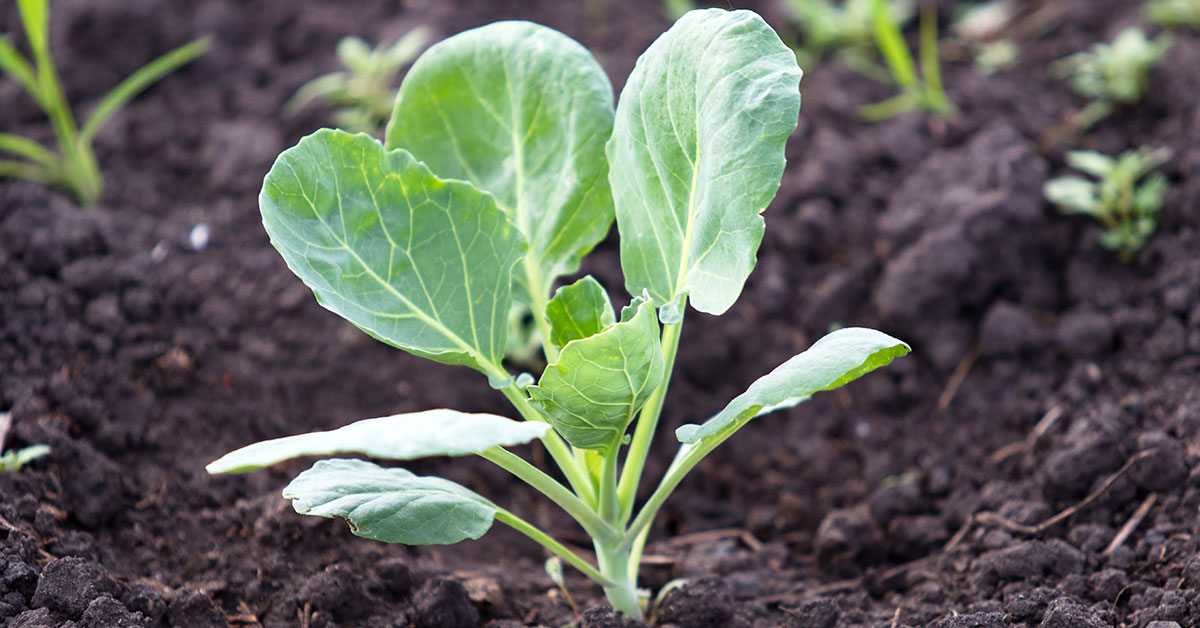

The Diablo Brussels Sprout is a unique and captivating vegetable. Also known as Brassica oleracea gemmifera ‘Diablo,’ this veggie is a true delight for both the eyes and the taste buds.
With its striking dark purple coloration and compact growth habit, the Diablo Brussels Sprout stands out in any garden, adding a touch of elegance and mystery. Whether you are a seasoned gardener or just starting out, the Diablo Brussels Sprout will undoubtedly captivate your imagination and become a cherished addition to your vegetable patch.
What is a Diablo Brussels Sprout?
The Diablo Brussels Sprout, also known as Brassica oleracea ‘Diablo’, is a unique and attractive variety of Brussels sprouts. It is characterized by its vibrant, deep purple color, making it a visually stunning addition to any garden or vegetable patch. This particular variety is known for its compact growth habit, producing small, round sprouts that are tightly packed together along the stem. The sprouts themselves have a slightly bitter, nutty flavor, which is a common characteristic of Brussels sprouts.
The Diablo Brussels Sprout is a relatively easy plant to grow, requiring full sun exposure and well-drained soil. It is a cold-hardy vegetable, making it suitable for growing in cooler climates. It typically takes around 90-100 days to reach maturity, with the sprouts developing after about 60 days. When planting Diablo Brussels Sprouts, it is important to space the seedlings or transplants adequately to ensure proper airflow and prevent overcrowding. This will promote healthy growth and minimize the risk of disease. Regular watering and occasional fertilization are also essential for optimal growth.
Harvesting Diablo Brussels Sprouts is typically done by picking the sprouts from the bottom of the stem upwards, as they mature at different rates. It is important to harvest them when they are firm and about 1-1.5 inches in diameter. Overly mature sprouts may become bitter and lose their appealing taste. The Diablo Brussels Sprout is not only a delicious addition to your culinary repertoire, but it also adds a vibrant touch of color to your garden. With proper care and attention, you can enjoy a bountiful harvest of these striking purple sprouts, perfect for roasting, sautéing, or adding to various dishes.
What does Diablo Brussels Sprout taste like?
The Diablo Brussels Sprout has a distinct and flavorful taste that sets it apart from regular Brussels sprouts. It has a slightly bitter and earthy flavor, with a hint of sweetness. The taste is robust and intense, making it a favorite among those who enjoy more flavorful vegetables. The flavor is often described as nutty, with some spice undertones. Overall, the Diablo Brussels Sprout offers a unique and delicious taste that adds depth to any dish it is used in.
How to start from seed
Starting Diablo Brussels Sprouts requires a few steps, but it’s a rewarding process. Here’s a step-by-step guide to help you get started:
- Choose the Right Time: Diablo Brussels Sprouts are typically grown as cool-season crops. Start the seeds indoors about 12-14 weeks before the last frost date in your area. This will give the plants enough time to grow and develop before transplanting them outdoors.
- Gather Supplies: You’ll need the following supplies to start Diablo Brussels Sprouts:
- Diablo Brussels Sprout seeds
- Seed starting trays or pots
- Seed starting mix or a well-draining potting mix
- Watering can or spray bottle
- Grow lights or a sunny window sill
- Plant labels (optional)
- Prepare the Seed Starting Mix: Fill the seed starting trays or pots with the seed starting mix or potting mix. Make sure the mix is moist but not waterlogged.
- Sow the Seeds: Plant the Diablo Brussels Sprout seeds about 1/4 to 1/2 inch deep in the prepared seed starting mix. Space the seeds about 2 inches apart and cover them lightly with the mix.
- Provide Proper Conditions: Place the seed trays or pots in a warm location with a temperature of around 70-75°F (21-24°C). If you’re using grow lights, position them about 2-4 inches above the seed trays. If you’re relying on natural light, place the trays on a sunny windowsill.
- Maintain Moisture: Keep the seed starting mix consistently moist but not overly saturated. You can water the trays from the bottom by placing them in a shallow tray filled with water, or use a watering can or spray bottle to gently water from the top.
- Ensure Adequate Lighting: Diablo Brussels Sprouts require at least 12-16 hours of bright light each day. If you’re using grow lights, keep them on for this duration. If relying on natural light, make sure the seedlings receive sufficient sunlight or supplement with artificial lighting if needed.
- Monitor Germination: Diablo Brussels Sprout seeds typically germinate within 7-10 days. Once the seedlings emerge, remove any covering or plastic wrap from the trays and continue to provide them with appropriate lighting and moisture.
- Transplanting: When the seedlings have developed their first true leaves and are about 4-6 inches tall, they are ready for transplanting. Harden off the seedlings by gradually exposing them to outdoor conditions for a week or two before transferring them to their final location.
- Planting Outdoors: Select a sunny location in your garden with well-draining soil. Space the Diablo Brussels Sprout plants about 18-24 inches apart, leaving enough room for proper growth. Dig holes slightly larger than the root balls of the seedlings and gently place them in the holes. Fill the holes with soil, firm it gently around the plants, and water thoroughly.
- Care and Maintenance: Diablo Brussels Sprouts require consistent moisture, so make sure to water them regularly. Mulching around the plants will help retain soil moisture and suppress weed growth. Additionally, provide support to the plants as they grow taller by staking them or using a trellis system. Monitor for pests and diseases, and take appropriate measures if necessary.
- Harvesting: Diablo Brussels Sprouts develop small, cabbage-like heads along the stems. Harvest the sprouts when they reach a desirable size, usually around 1-1.5 inches in diameter. Start picking from the bottom of the stalk, working your way up, as the lower sprouts mature earlier.
Following these steps should set you on the path to growing healthy and delicious Diablo Brussels Sprouts. Enjoy the gardening process and the tasty rewards!
Planting and growing Diablo Brussels Sprout
Planting and growing Diablo Brussels sprouts involves several steps. Here are the general guidelines to help you successfully grow them:
- Start with quality seeds or seedlings: Purchase Diablo Brussels sprout seeds from a reputable source or buy healthy seedlings from a local nursery. Ensure that the seeds or seedlings are fresh and disease-free.
- Choose the right location: Select a sunny spot in your garden that receives at least 6-8 hours of direct sunlight per day. Brussels sprouts also prefer well-drained soil with a pH level between 6.0 and 7.5.
- Prepare the soil: Before planting, prepare the soil by removing any weeds, rocks, or debris. Work in organic matter like compost or well-rotted manure to improve soil fertility and drainage.
- Sow the seeds or transplant seedlings: If starting from seeds, sow them indoors 6-8 weeks before the last frost date. Plant the seeds about ¼ inch deep in seed trays or small pots filled with seed-starting mix. Keep the soil moist and provide adequate warmth until the seedlings emerge. Once the seedlings have grown 4-6 leaves, transplant them into larger pots or directly into the garden.
- Planting spacing: If transplanting seedlings, space them about 18-24 inches apart in rows with 30-36 inches between each row. Ensure adequate spacing to allow proper airflow and room for the plants to grow.
- Watering: Brussels sprouts require consistent moisture to thrive. Water the plants regularly, aiming for about 1-1.5 inches of water per week. Ensure the soil remains evenly moist, but avoid overwatering or allowing the soil to become waterlogged.
- Fertilization: Brussels sprouts are heavy feeders. Apply a balanced fertilizer or compost approximately four weeks after planting. Repeat the application every 4-6 weeks during the growing season to provide the necessary nutrients.
- Mulching: Apply a layer of organic mulch around the plants to conserve moisture, suppress weed growth, and maintain a more even soil temperature.
- Stake or support the plants: As the Diablo Brussels sprouts grow taller, they may need support to prevent them from toppling over. Use stakes or cages to provide support and prevent damage to the plants.
- Pest and disease control: Keep a watchful eye for common pests such as aphids, cabbage worms, and slugs. Use organic pest control methods like handpicking, neem oil, or insecticidal soap to manage infestations. Additionally, practice good garden hygiene to prevent diseases, such as black rot or clubroot, by rotating crops and removing any infected plant material.
- Harvesting: Diablo Brussels sprouts typically take around 90-110 days to mature. Harvest the sprouts when they reach a firm size of about 1-1.5 inches in diameter. Begin by picking the lower sprouts first and work your way up the stem. To harvest, twist or cut off the sprouts from the stem.
By following these steps and providing the necessary care, you can enjoy a bountiful harvest of Diablo Brussels sprouts in your garden.
When to harvest
The best time to harvest Diablo Brussels Sprouts is when the sprouts are firm, about 1-2 inches (2.5-5 cm) in diameter, and a deep green color. This typically occurs around 90-100 days after transplanting. You can start harvesting the sprouts from the bottom of the plant, working your way up as they mature. It’s important not to wait too long, as overripe sprouts may become loose and bitter. Regularly check your plants and harvest as needed for the freshest and tastiest Brussels sprouts.