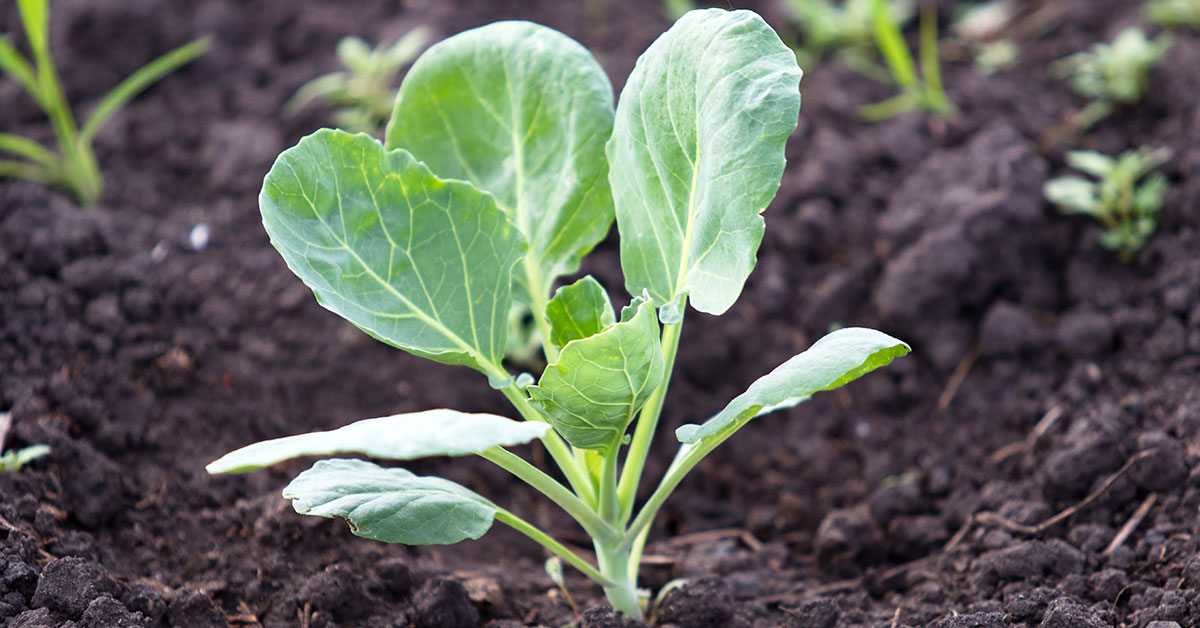

The Churchill Brussels Sprout is a heirloom variety of Brussels sprouts known for its exceptional flavor and robust growth habits. Named after the famous British Prime Minister, Winston Churchill, this vegetable is a favorite among gardeners for its reliable performance and excellent yields.
Whether you are a seasoned gardener or a beginner, the Churchill Brussels Sprout is sure to impress with its dense, sweet-flavored sprouts that are perfect for roasting, sautéing, or steaming. In this article, we will explore the history, cultivation, and care of the Churchill Brussels Sprout, offering valuable insights and tips to help you successfully grow this remarkable vegetable in your own garden.
What is a Churchill Brussels Sprout?
A Churchill Brussels sprout is a variety of Brussels sprout plants. It is named after the former British Prime Minister, Winston Churchill, who was known to be fond of this vegetable. The Churchill Brussels sprout is a cool-season, biennial plant that belongs to the Brassicaceae family, which also includes cabbage, kale, and broccoli. It is cultivated for its small, round edible buds, known as Brussels sprouts, that grow along the length of its stem.
The plant itself typically reaches a height of about 2 to 3 feet (60 to 90 centimeters) and has a sturdy, upright growth habit. The leaves are dark green and deeply lobed, resembling the leaves of a cabbage or kale plant. The sprouts develop in the leaf axils, forming tight clusters that can be harvested when they reach a desired size.
Churchill Brussels sprouts are known for their excellent flavor and texture. They have a mild, slightly nutty taste that becomes sweeter and more tender when cooked. The sprouts are typically harvested when they are about 1 to 2 inches (2.5 to 5 centimeters) in diameter, although some gardeners prefer to harvest them smaller for a more delicate flavor. To grow Churchill Brussels sprouts, it is best to start the seeds indoors in early spring or late winter, about 8 to 10 weeks before the last expected frost.
Once the seedlings are around 4 to 6 inches (10 to 15 centimeters) tall and the danger of frost has passed, they can be transplanted into a well-drained garden bed with full sun exposure. The plants require regular watering and benefit from fertile soil enriched with compost or well-rotted manure.
It takes approximately 90 to 100 days from the time of transplanting for the Churchill Brussels sprouts to reach maturity. During this time, it is important to provide regular care, including adequate watering, fertilizing, and protection from common pests, such as aphids or cabbage worms. Harvesting the Churchill Brussels sprouts is a gradual process, starting from the bottom of the stem and working upwards. The sprouts can be picked when they are firm and have a vibrant green color. To harvest, simply snap or cut the sprouts off the stem, leaving the leaves intact.
Churchill Brussels sprouts can be cooked in various ways, including roasting, steaming, stir-frying, or even added to soups and stews. They are nutritious vegetables, rich in vitamins C and K, fiber, and antioxidants. Overall, the Churchill Brussels sprout is a popular variety among gardeners and vegetable enthusiasts due to its delicious flavor, ease of cultivation, and substantial yield.
What does Churchill Brussels Sprout taste like?
The taste of a Churchill Brussels Sprout is earthy, mildly sweet, and slightly nutty. It has a distinct cabbage-like flavor, but with a milder and more delicate profile. When properly cooked, the sprouts become tender and have a pleasant texture, with a slight crispness. The flavor can be enhanced by roasting, sautéing, or steaming, bringing out the natural sweetness and nuttiness of the sprouts. Overall, Churchill Brussels Sprouts have a delicious and satisfying taste that pairs well with a variety of dishes.
How to start from seed
Starting Churchill Brussels sprouts from seeds requires a few steps. Here’s a simplified guide to help you through the process:
- Seed selection: Purchase high-quality Churchill Brussels sprout seeds from a reputable garden center or seed supplier. Ensure that the seeds are fresh and have not expired.
- Timing: Start your Brussels sprout seeds indoors about 6-8 weeks before the last expected frost date in your area. This will give the plants ample time to grow and develop before transplanting them outdoors.
- Containers and soil: Use seed trays or small pots with drainage holes to sow the seeds. Fill the containers with a well-draining seed starting mix or a combination of potting soil and vermiculite. Avoid heavy garden soil, as it may hinder germination.
- Sowing seeds: Plant two to three seeds per container, placing them about a quarter to a half-inch deep into the soil. Gently cover the seeds with a thin layer of soil and lightly pat it down.
- Moisture and warmth: Keep the soil consistently moist but not waterlogged. To retain moisture, cover the containers with plastic wrap or use a humidity dome. Place the trays in a warm location, ideally around 70-75°F (21-24°C).
- Germination: Brussels sprout seeds usually take around 7-14 days to germinate. Once the seedlings emerge, remove the plastic cover, and place them in a bright location or under grow lights. Aim for at least 12-16 hours of light per day.
- Transplanting: When the seedlings have developed a few sets of true leaves and are about 4-6 inches tall, they are ready for transplanting. Harden off the seedlings by gradually exposing them to outdoor conditions for a week before planting.
- Outdoor planting: Choose a sunny spot in your garden with well-draining soil. Brussels sprouts prefer fertile soil with a pH between 6.5 and 7.5. Space the plants about 18-24 inches apart to allow sufficient room for growth.
- Planting depth: Dig a hole slightly larger than the root ball of the seedling. Gently remove the plant from its container, being careful not to damage the delicate roots. Place it in the hole, making sure the top of the root ball is level with the soil surface. Backfill the hole and lightly firm the soil around the plant.
- Watering and care: Water the transplanted seedlings thoroughly after planting and continue to keep the soil consistently moist throughout the growing season. Mulching around the plants can help retain moisture and suppress weeds. Monitor for pests, such as aphids or cabbage worms, and take appropriate measures if necessary.
- Harvesting: Brussels sprouts take around 90-100 days from transplanting to reach maturity. Harvest the sprouts when they are firm and about 1-1.5 inches in diameter. Start from the bottom of the plant and work your way up, picking the sprouts as needed. Remove any yellowing or damaged leaves as well.
By following these steps, you can successfully start and grow Churchill Brussels sprouts in your garden. Happy gardening!
Planting and growing Churchill Brussels Sprout
To plant and grow Churchill Brussels Sprouts, follow these steps:
- Timing: Start by checking the recommended planting time for your specific region. Brussels sprouts are cool-season crops, so they are typically planted in early spring or late summer for a fall harvest.
- Location: Choose a location that receives full sun for at least six hours a day. Brussels sprouts prefer well-drained soil with a pH of 6.0 to 7.5.
- Soil preparation: Prepare the soil by removing any weeds and debris. Add organic matter such as compost or well-rotted manure to improve soil fertility and drainage.
- Planting: Start by sowing the seeds indoors about 6-8 weeks before the last expected frost date. Sow the seeds about ¼ inch deep in seed trays or pots filled with seed-starting mix. Keep the soil evenly moist and provide warmth for germination.
- Transplanting: Once the seedlings have grown to about 3-4 inches tall and have developed a few true leaves, they can be transplanted into the garden. Space the plants about 18-24 inches apart, allowing enough room for them to grow and develop.
- Care: Regularly water the plants to keep the soil consistently moist, but avoid overwatering. Mulching around the plants can help retain moisture and suppress weeds. Fertilize the plants every 3-4 weeks with a balanced vegetable fertilizer.
- Support: As the plants grow taller, they may require support to prevent them from falling over. Stake or cage the plants to provide support and ensure they stay upright.
- Pest and disease control: Monitor the plants regularly for pests such as aphids, cabbage worms, and slugs. Use organic pest control methods like handpicking, neem oil, or insecticidal soap if necessary. Preventive measures like crop rotation and good garden hygiene can help minimize disease issues.
- Harvesting: Brussels sprouts take approximately 90-100 days to mature. Harvest the sprouts from the bottom of the stalk upwards as they reach a suitable size, usually around 1-2 inches in diameter. Twist or cut the sprouts off the stalk, starting from the bottom. Leave the top of the plant intact to allow smaller sprouts to continue developing.
By following these steps, you should have a successful harvest of Churchill Brussels Sprouts. Enjoy your homegrown vegetables!
When to harvest
The best time to harvest Churchill Brussels Sprouts is when the sprouts reach a mature size of about 1 to 2 inches in diameter. This usually occurs around 90-100 days after transplanting. It’s important to keep an eye on the plants because the sprouts can become loose and start opening if left on the stalk for too long. Harvesting can be done by gently twisting or cutting off the sprouts from the main stalk, starting from the bottom and working your way up.