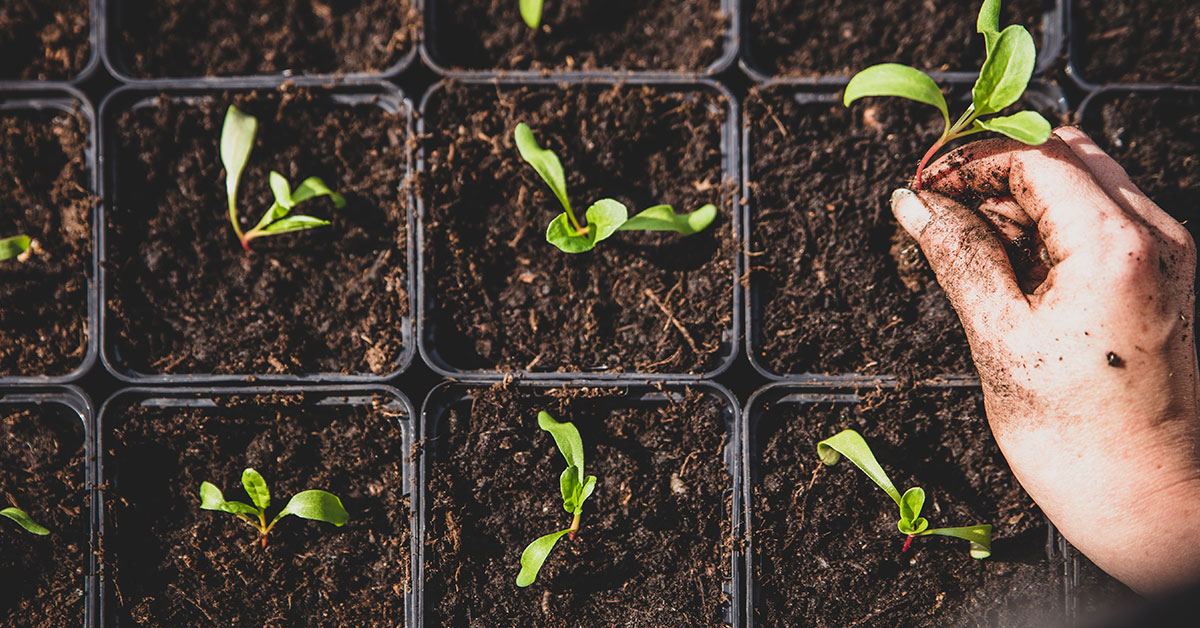

Celebration Swiss Chard is a vibrant and versatile vegetable that thrives in both the garden and the kitchen. With its stunning array of colors, ranging from deep purple to vibrant red and golden yellow, Celebration Swiss Chard is not only a visual delight but also a nutritional powerhouse.
Whether you are an experienced gardener looking to add a pop of color to your landscape or a beginner seeking a low-maintenance and rewarding crop to grow, this article will guide you through the ins and outs of cultivating and enjoying Celebration Swiss Chard. From planting and care tips to creative recipe ideas, get ready to embark on a colorful journey with this exceptional leafy green.
What is a Celebration Swiss Chard?
Celebration Swiss Chard is a variety of chard, scientifically known as Beta vulgaris subsp. vulgaris var. cicla. It is a popular leafy green vegetable that is prized for its vibrant and colorful foliage. The leaves of Celebration Swiss Chard are large and elongated, with a glossy texture. The color palette of this variety is particularly striking, featuring a mix of bright and intense hues. The leaves can display shades of deep red, vibrant orange, sunny yellow, and even shades of pink and purple.
This vibrant coloration not only adds visual appeal but also indicates the presence of various beneficial plant compounds such as antioxidants. The stalks of Celebration Swiss Chard are also colorful and can range from white to yellow, orange, and even pink. The stalks are thick and firm, providing a satisfying crunch when cooked. They are often used in culinary preparations, adding both flavor and texture to dishes. Celebration Swiss Chard is a versatile vegetable and can be enjoyed both raw and cooked. It has a mild and slightly earthy flavor, similar to spinach but with a slightly more robust taste.
The leaves can be used in salads, wraps, or smoothies, while the stalks are commonly cooked and used in stir-fries, soups, or sautés. In terms of cultivation, Celebration Swiss Chard is relatively easy to grow. It thrives in well-drained soil and requires full sun or partial shade. It is a cool-season crop and can tolerate light frosts, making it suitable for growing in various climates. Regular watering and occasional fertilization will ensure healthy growth and vibrant foliage. Overall, Celebration Swiss Chard is not only a visually stunning addition to any garden but also a nutritious and delicious vegetable that can be enjoyed in a variety of culinary creations.
What does Celebration Swiss Chard taste like?
The taste of Celebration Swiss Chard is delightfully mild and earthy, with a hint of sweetness. It has a similar flavor profile to regular Swiss chard but is slightly sweeter and more tender. The leaves have a subtle nuttiness that adds depth to its overall taste. When cooked, Celebration Swiss Chard retains its mild flavor and has a pleasant, slightly crisp texture. It pairs well with a variety of other ingredients and can be used in a multitude of recipes, from stir-fries to salads. Overall, the taste of Celebration Swiss Chard is refreshing, wholesome, and enjoyable for those who appreciate the flavors of fresh greens.
How to start from seed
Starting Celebration Swiss Chard from seeds is a relatively simple process. Here’s a step-by-step guide to help you get started:
- Timing: Swiss Chard is a cool-season crop, so it’s best to start the seeds indoors about 4 to 6 weeks before the last expected frost date in your area. Alternatively, you can sow the seeds directly in the garden once the soil has warmed up and there’s no more risk of frost.
- Seed starting containers: Use small seed trays or pots with drainage holes. Fill them with a good quality seed starting mix, which is well-draining and lightweight.
- Sowing the seeds: Moisten the seed starting mix before sowing the seeds. Make small holes or furrows in the soil about ¼ to ½ inch deep, spacing them about 2 inches apart. Place 2 to 3 seeds in each hole and cover them with soil, gently firming it down.
- Germination: Swiss Chard seeds typically germinate in 7 to 14 days. To encourage germination, keep the soil consistently moist by misting it with water or using a spray bottle. You can also cover the tray or pots with a plastic dome or plastic wrap to create a greenhouse-like environment that retains moisture.
- Light and temperature: Once the seeds have germinated, remove the plastic cover and place the seedlings in a bright location where they can receive at least 6-8 hours of direct sunlight each day. If you don’t have enough natural light, you can use fluorescent grow lights positioned about 2-3 inches above the seedlings.
- Watering and fertilizing: Keep the soil evenly moist but not waterlogged. Water from the bottom by placing the trays in a shallow tray of water and allowing the soil to absorb the moisture. Avoid overwatering, as it can lead to root rot. After the seedlings have developed a few true leaves, you can start fertilizing them with a balanced liquid fertilizer diluted to half strength.
- Transplanting: When the seedlings have grown to about 2-3 inches tall and have developed a few sets of true leaves, they are ready to be transplanted into larger pots or into the garden. Harden off the seedlings by gradually exposing them to outdoor conditions for a week before transplanting.
- Planting in the garden: Choose a sunny location in your garden with well-draining soil. Space the plants about 8-12 inches apart, with rows spaced 18-24 inches apart. Dig a hole slightly larger than the root ball of the seedling, place it in the hole, and gently firm the soil around the roots. Water thoroughly after transplanting.
- Maintenance: Keep the soil consistently moist, especially during dry periods. Mulching around the plants can help retain moisture and suppress weeds. Regularly remove any damaged or yellowing leaves to encourage new growth. You can also continue fertilizing with a balanced fertilizer throughout the growing season.
With proper care and maintenance, your Celebration Swiss Chard plants should thrive, providing you with delicious and nutritious greens to enjoy throughout the season!
Planting and growing Celebration Swiss Chard
Here are the steps for planting and growing Celebration Swiss Chard:
- Choose a suitable location: Swiss chard prefers full sun but can tolerate some partial shade. Ensure that the soil is well-drained and rich in organic matter.
- Prepare the soil: Remove any weeds or debris from the planting area. Loosen the soil with a garden fork or tiller to a depth of about 8-10 inches. Incorporate compost or well-rotted manure into the soil to improve fertility.
- Planting seeds: Swiss chard can be directly sown outdoors once the soil has warmed up in spring or started indoors 4-6 weeks before the last frost date. Plant the seeds about 1/2 inch deep and 2-3 inches apart. Space rows about 12-18 inches apart.
- Watering: Keep the soil consistently moist but not waterlogged. Swiss chard requires regular watering, especially during dry spells. Avoid overhead watering to prevent diseases.
- Thinning and transplanting: Once the seedlings have emerged and grown a few inches tall, thin them out, leaving the strongest plants spaced about 6-8 inches apart. If starting indoors, transplant the seedlings outdoors once they have developed a few sets of true leaves.
- Mulching: Apply a layer of organic mulch around the plants to conserve moisture, suppress weeds, and maintain an even soil temperature.
- Fertilizing: Swiss chard is a heavy feeder, so it benefits from regular fertilization. Apply a balanced organic fertilizer or a slow-release granular fertilizer according to the package instructions. Alternatively, you can side-dress the plants with compost or well-rotted manure during the growing season.
- Regular maintenance: Keep the planting area weed-free to minimize competition for nutrients and water. Monitor for pests like aphids, caterpillars, or slugs and take appropriate measures if necessary.
- Harvesting: Celebration Swiss chard can be harvested when the leaves are young and tender, usually around 30-60 days after planting. Harvest outer leaves by cutting them at the base, leaving the center intact for continuous growth. Regular harvesting will encourage the plant to produce more leaves.
By following these steps, you should have a successful crop of Celebration Swiss Chard in your garden. Enjoy the harvest!
When to harvest
The best time to harvest Celebration Swiss Chard is when the leaves are young and tender, typically around 30-60 days after planting. You can start harvesting individual outer leaves when they reach about 4-6 inches in length. It’s important to regularly harvest the outer leaves and leave the inner leaves to continue growing. This will allow the plant to keep producing throughout the growing season.