
Brunswick Cabbage is a unique and versatile vegetable that has captured the hearts of gardeners and food enthusiasts alike. With its rich history and distinctive characteristics, Brunswick Cabbage has become a beloved addition to gardens around the world.
Join us as we uncover the secrets behind this remarkable plant, from its origins and cultivation techniques to its culinary delights and health benefits. Whether you are a seasoned gardener or a curious beginner, this article will provide you with all the information you need to successfully grow and enjoy the bountiful rewards of Brunswick Cabbage.
What is a Brunswick Cabbage?
A Brunswick cabbage is a type of cabbage that is known for its large size and round shape. It is a variety of green cabbage that is widely grown in many regions. The leaves of the Brunswick cabbage are thick, crisp, and have a vibrant green color. One of the distinctive features of the Brunswick cabbage is its size. It can reach a diameter of up to 10-12 inches (25-30 cm) and can weigh several pounds. The large size of the cabbage makes it an excellent choice for creating delicious and hearty meals.
The Brunswick cabbage has a mild and slightly sweet flavor, which makes it versatile in the kitchen. It can be used in a variety of dishes, including salads, stir-fries, soups, and stews. The leaves are tender and can be eaten raw or cooked, depending on personal preference. When it comes to cultivation, the Brunswick cabbage requires fertile and well-drained soil. It prefers full sun exposure and regular watering to ensure healthy growth. It is a cool-season crop that thrives in temperatures between 45-75°F (7-24°C). It is typically planted in early spring or late summer for a fall harvest.
Like other cabbage varieties, the Brunswick cabbage is also rich in nutrients and packed with health benefits. It is a good source of vitamins C and K, as well as dietary fiber. It is low in calories and high in antioxidants, making it a nutritious addition to a balanced diet. Overall, the Brunswick cabbage is a popular choice among gardeners and cooks alike. Its large size, mild flavor, and versatility in cooking make it a favorite for home gardens and professional kitchens.
What does Brunswick Cabbage taste like?
The taste of a Brunswick cabbage can be described as mild and sweet with a hint of earthiness. It has a crisp and crunchy texture, making it a great addition to salads or coleslaw. When cooked, Brunswick cabbage becomes tender yet retains its slight sweetness, making it delicious in stir-fries, soups, or even roasted as a side dish. Its flavor is not overpowering, allowing it to blend well with other ingredients and seasonings. Overall, the taste of Brunswick cabbage is refreshing and versatile, making it a popular choice for many dishes.
How to start from seed
Starting a Brunswick cabbage is a relatively straightforward process. Here’s a step-by-step guide to help you get started:
- Choose the right time: Cabbage is a cool-season crop, so it’s important to start seeds indoors about 6-8 weeks before the last expected frost date in your area. Alternatively, you can directly sow the seeds in the garden once the soil reaches a temperature of around 45-75°F (7-24°C).
- Prepare the soil: Cabbage prefers well-draining soil that is rich in organic matter. Before planting, work the soil to a depth of about 8-10 inches (20-25 cm) and incorporate compost or aged manure to improve fertility.
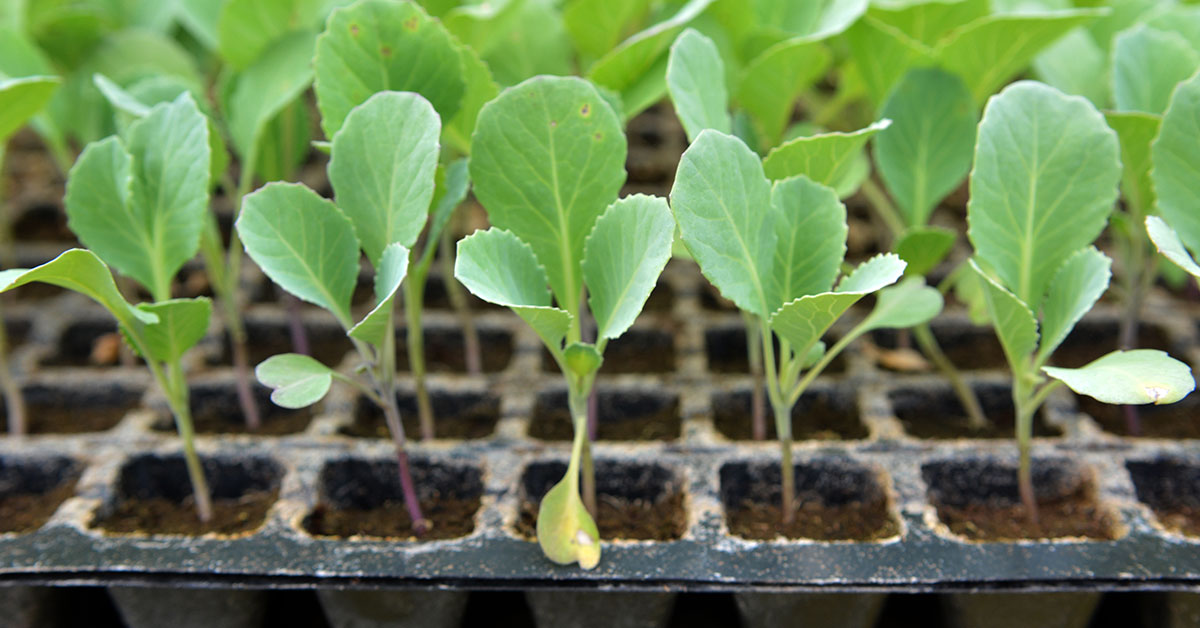
- Start seeds indoors (optional): If you choose to start seeds indoors, fill seed trays or small pots with seed-starting mix. Moisten the mix and sow the seeds about ¼ inch (0.6 cm) deep. Maintain a temperature of around 60-70°F (15-21°C) for optimal germination. Transplant the seedlings into larger containers once they develop their first true leaves.
- Direct sow in the garden: If you prefer direct sowing, prepare the garden bed by removing any weeds and loosening the soil. Sow the seeds about ¼ inch (0.6 cm) deep and space them about 12-18 inches (30-45 cm) apart, leaving about 2-3 feet (60-90 cm) between rows.
- Provide proper care: Cabbage requires consistent moisture to ensure healthy growth. Water the plants regularly, aiming to keep the soil evenly moist but not waterlogged. Mulching around the plants can help retain moisture and suppress weeds.
- Fertilize: Cabbage is a heavy feeder, so it’s important to provide adequate nutrients. Apply a balanced organic fertilizer or compost around the plants when they are about 3-4 weeks old, following the recommended application rates on the packaging.
- Protect from pests and diseases: Cabbage is susceptible to various pests like cabbage worms, aphids, and cabbage loopers. Regularly check the plants for signs of infestation and take appropriate measures such as handpicking pests or using organic insecticides if necessary. Common diseases include clubroot, powdery mildew, and black rot, so keep an eye out for any signs and take preventive measures like crop rotation and proper sanitation.
- Harvesting: Brunswick cabbage typically takes around 80-100 days to mature. Harvest the heads when they reach a desirable size, usually around 6-8 inches (15-20 cm) in diameter. Cut the heads at the base of the stem using a sharp knife, leaving a few outer leaves intact to protect the inner leaves during storage.
By following these steps and providing the right growing conditions, you should be able to successfully start and grow Brunswick cabbage in your garden.
Planting and growing Brunswick Cabbage
To plant and grow Brunswick cabbage, follow these steps:
- Choose the right time: Brunswick cabbage is best planted in early spring or late summer for a fall harvest. Check the seed packet or consult with a local gardening expert to determine the best time to plant in your specific region.
- Prepare the soil: Cabbage prefers well-draining, fertile soil. Amend the soil with organic matter such as compost or aged manure to improve its fertility and drainage. Remove any weeds or debris from the planting area.
- Start seeds indoors (optional): If you have a short growing season, you can start cabbage seeds indoors about 4-6 weeks before the last frost date. Use seed trays or small pots filled with seed-starting mix and keep them in a warm, well-lit area until they germinate.
- Transplant seedlings or direct sow: Once the danger of frost has passed, you can either transplant the seedlings started indoors or direct sow the seeds outdoors. If transplanting, space the seedlings about 18-24 inches apart in rows that are 2-3 feet apart. If direct sowing, sow the seeds about ¼ inch deep, with similar spacing.
- Provide adequate sunlight: Brunswick cabbage requires full sun to grow properly. Ensure that the plants receive at least 6-8 hours of direct sunlight each day.
- Water regularly: Cabbage plants need consistent moisture to thrive. Water them deeply once or twice a week, providing about 1 inch of water each time. Avoid over-watering, as it can lead to diseases.
- Mulch the soil: Apply a layer of organic mulch, such as straw or shredded leaves, around the base of the plants. Mulching helps to retain soil moisture, suppresses weed growth, and regulates soil temperatures.
- Fertilize: Cabbage plants are heavy feeders. Apply a balanced fertilizer, such as a 10-10-10 or a compost tea, once a month throughout the growing season to provide essential nutrients.
- Monitor for pests and diseases: Keep an eye out for common cabbage pests like aphids, cabbage worms, and slugs. Use organic pest control methods or insecticidal soap to control infestations. Also, watch for signs of diseases like clubroot, blackleg, or downy mildew and take appropriate action if necessary.
- Harvesting: Harvest Brunswick cabbage when the heads are firm and reach their full size, usually around 70-90 days after planting. Use a sharp knife to cut the cabbage head just above the soil level.
By following these steps, you should be able to successfully plant and grow Brunswick cabbage in your garden. Enjoy the process and the delicious harvest!
When to harvest
The best time to harvest a Brunswick cabbage is when the head feels firm and reaches its full size. This typically occurs around 75-90 days after transplanting or 110-120 days after sowing the seeds. The cabbage head should be solid and dense, and the outer leaves should still be green and healthy. Avoid waiting too long to harvest, as the cabbage may become overmature and start to split. Regularly checking the cabbage’s progress and gently squeezing the head can help determine if it is ready for harvesting.