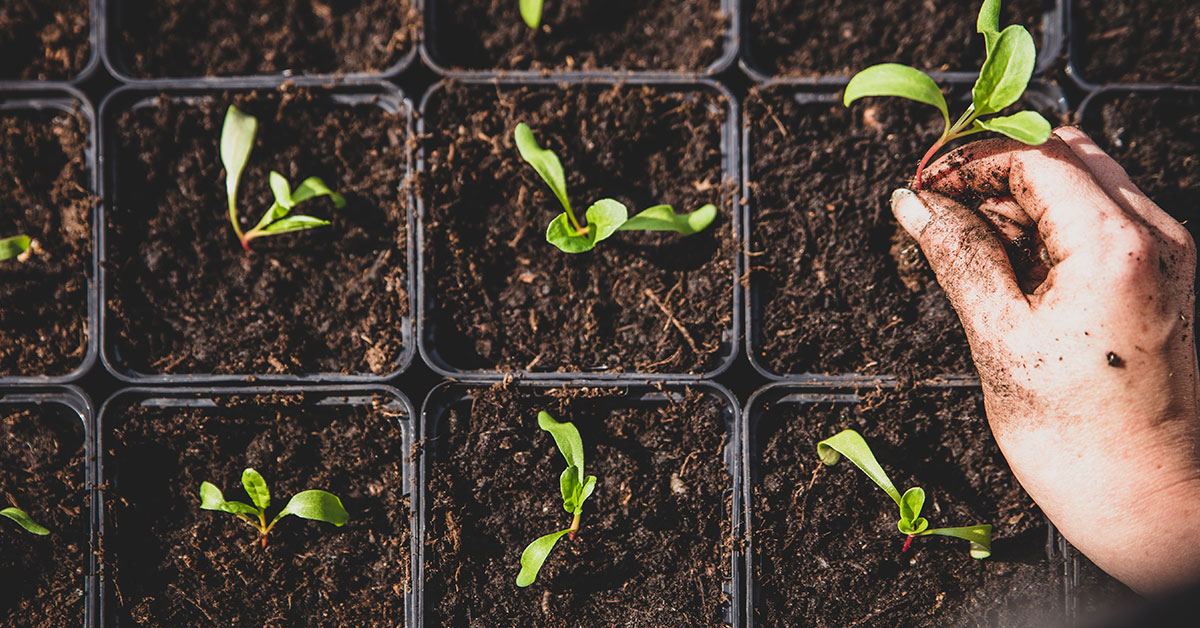

Bright Lights Swiss Chard is a vibrant and versatile addition to any garden. With its stunning array of colorful stems and glossy green leaves, this variety of chard not only adds visual appeal to your garden beds but also packs a nutritional punch. Bright Lights Swiss Chard is known for its rich flavor and tender texture, making it a favorite among gardeners and chefs alike.
Whether you are an experienced gardener looking to diversify your harvest or a beginner eager to explore new leafy greens, this article will guide you through the cultivation, care, and culinary uses of this delightful and nutritious vegetable. Get ready to brighten up your garden and your plate with the captivating and delicious Bright Lights Swiss Chard.
What is a Bright Lights Swiss Chard?
Bright Lights Swiss Chard is a vibrant and visually appealing variety of Swiss chard. It is known for its colorful and bright stems and crisp, glossy green leaves. The stems come in a range of vibrant colors, including shades of red, orange, yellow, and pink, giving it a striking appearance in the garden. The leaves of Bright Lights Swiss Chard are large and have a smooth texture.
They are rich in nutrients and have a mild and slightly earthy flavor, making them a versatile and tasty addition to various culinary dishes. The leaves can be eaten raw in salads or cooked in stir-fries, soups, stews, or sautéed as a side dish. This variety of Swiss chard is relatively easy to grow and can thrive in a variety of climates. It prefers full sun or partial shade and well-drained soil.
Bright Lights Swiss Chard is a biennial plant, meaning it will produce leaves in its first year and then go to seed in its second year. However, it is often grown as an annual, especially in colder climates, where the plants may not survive the winter. Overall, Bright Lights Swiss Chard is not only a beautiful addition to any garden but also a nutritious and delicious leafy green that can be enjoyed in a variety of culinary preparations.
What does Bright Lights Swiss Chard taste like?
Bright Lights Swiss Chard has a delightful and unique taste that is both earthy and slightly sweet. The leaves of this variety are tender and have a mild, spinach-like flavor. They are not as bitter as some other leafy greens, making them more palatable to those who are not fond of strong flavors.
When cooked, Bright Lights Swiss Chard develops a rich, savory taste with a hint of nuttiness. The stems, which come in a variety of vibrant colors like yellow, orange, and red, have a slightly crunchy texture and a subtly sweet taste.
Overall, the taste of Bright Lights Swiss Chard is delicate and pleasant, making it a versatile ingredient that can be used in a variety of dishes. Whether consumed raw in salads, sautéed, steamed, or added to soups and stews, this variety of Swiss chard adds a refreshing and delicious element to any meal.
How to start from seed
Starting Bright Lights Swiss Chard is a relatively simple process. Here’s a step-by-step guide to help you get started:
- Choose the right time: Swiss chard is a cool-season crop, so it’s best to start it in early spring or late summer/early fall when temperatures are cooler.
- Select a suitable location: Swiss chard prefers full sun but can tolerate partial shade. Make sure the planting area has well-draining soil that is rich in organic matter.
- Prepare the soil: Before planting, loosen the soil to a depth of about 8-10 inches. Remove any weeds or rocks, and incorporate compost or well-rotted manure to enrich the soil.
- Sow the seeds: Swiss chard can be grown from seeds. Sow the seeds directly into the prepared soil, about ½ inch deep, and space them 6-12 inches apart. You can also sow the seeds in containers or trays and transplant them later.
- Watering: After sowing the seeds, water the area thoroughly to ensure good seed-to-soil contact. Keep the soil consistently moist until germination occurs, which usually takes around 7-14 days.
- Thinning: Once the seedlings have emerged and grown a few inches tall, thin them out to provide adequate space for each plant. Thin to a spacing of 6-12 inches between plants.
- Fertilization: Swiss chard benefits from regular fertilization. Apply a balanced organic fertilizer or a slow-release granular fertilizer according to the package instructions. Side-dress the plants every few weeks to provide them with essential nutrients.
- Mulching: Apply a layer of organic mulch around the plants to help retain moisture, suppress weed growth, and regulate soil temperature.
- Maintenance: Keep the soil consistently moist but avoid overwatering, as Swiss chard prefers slightly moist soil rather than being waterlogged. Regularly remove any weeds that may compete with the plants for nutrients and water.
- Harvesting: Swiss chard leaves can be harvested when they reach a usable size, usually around 8-10 inches in length. You can either cut the outer leaves individually or harvest the whole plant by cutting it back to about an inch above the soil. The plants will often regrow for a second harvest.
By following these steps, you’ll be on your way to growing vibrant and nutritious Bright Lights Swiss Chard in your garden.
Planting and growing Bright Lights Swiss Chard
Here are the steps for planting and growing Bright Lights Swiss Chard:
- Choose the right time: Swiss Chard is a cool-season vegetable, so it’s best to plant it in early spring or fall. Avoid planting it in the heat of summer.
- Find a suitable location: Swiss Chard thrives in full sun to partial shade. Make sure the area has well-drained soil.
- Prepare the soil: Remove any weeds or rocks from the planting area. Loosen the soil with a garden fork or tiller and add compost or organic matter to improve fertility and drainage.
- Sow the seeds: Plant the seeds about ½ inch deep and 1-2 inches apart in rows that are 12-18 inches apart. You can also start seeds indoors 4-6 weeks before the last frost and transplant them later.
- Watering: Keep the soil consistently moist but not waterlogged. Swiss Chard requires about 1 inch of water per week. Water deeply, allowing the soil to dry slightly between watering.
- Thin the seedlings: Once the seedlings have grown a few inches tall and have a couple of true leaves, thin them out to give each plant about 6-12 inches of space.
- Fertilize: Swiss Chard is a heavy feeder. Apply a balanced organic fertilizer or compost every 2-3 weeks to provide necessary nutrients.
- Mulch: Mulching around the plants helps retain moisture, suppress weeds, and regulate soil temperature. Apply a layer of organic mulch, such as straw or shredded leaves, around the plants.
- Harvesting: You can start harvesting Swiss Chard when the leaves are around 6-8 inches long. Harvest the outer leaves first, leaving the inner ones to continue growing. Regular harvesting encourages new growth.
- Pests and diseases: Watch out for pests like aphids, leaf miners, and slugs. Use organic pest control methods if necessary. Swiss Chard is generally resistant to diseases but keep an eye out for common issues like powdery mildew.
By following these steps, you should be able to successfully plant and grow Bright Lights Swiss Chard in your garden.
When to harvest
The best time to harvest Bright Lights Swiss Chard is when the leaves are about 6-8 inches long. This usually occurs around 50-60 days after planting, depending on the growing conditions. You can start harvesting individual outer leaves once they reach the desired size, or you can cut the entire plant about 1-2 inches above the soil level for a bunch harvest. Regularly harvesting the outer leaves will encourage new growth and prolong the harvest period.