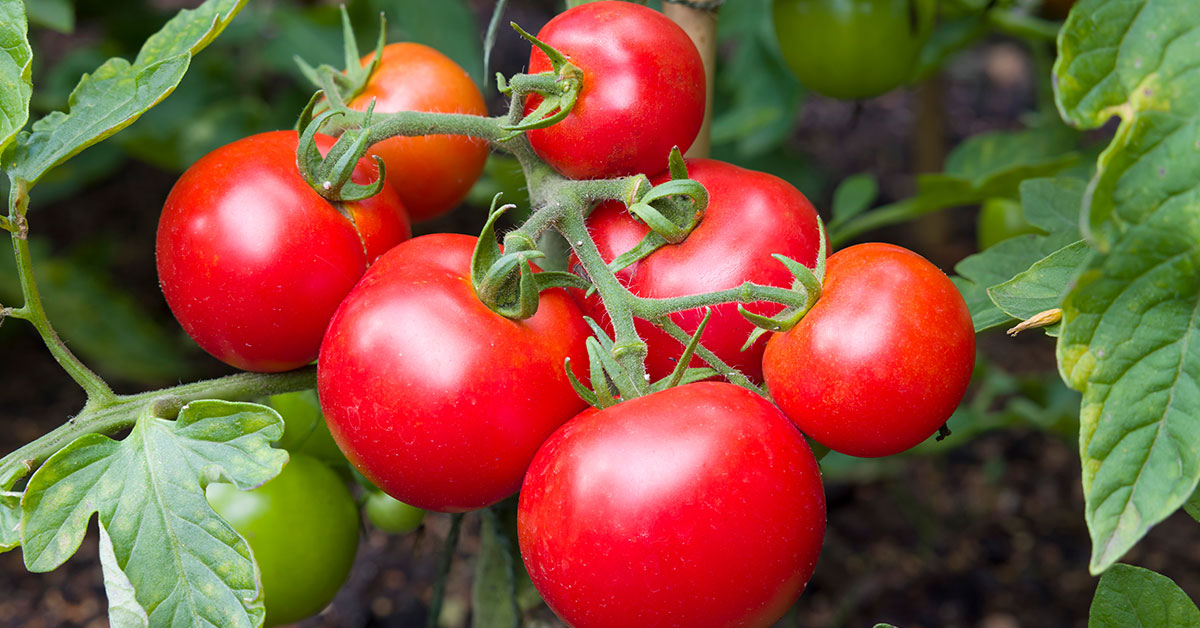

No one has ever said “No thanks, I don’t need more tomatoes!” Whether you’re a seasoned gardener seeking higher productivity or a beginner eager to taste the fruits of your labor, this article is your ultimate guide to maximizing your tomato yield.
From proper planting techniques to essential care tips, we’ll explore a range of strategies that will transform your garden into a tomato haven. Get ready to nurture your plants, understand their needs, and discover the magic behind fostering a thriving tomato crop.
So, roll up your sleeves, grab your gardening tools, and let’s embark on a journey to unlock the secrets that will ensure your tomato harvest is nothing short of spectacular.
14 ways to ensure you get the maximum tomato yield
Improving your tomato yield requires a combination of proper care, attention to detail, and favorable growing conditions. Here are some essential tips to help you increase the productivity of your tomato plants:
- Choose the Right Varieties: Opt for tomato varieties that are known for their high-yield capabilities. Look for disease-resistant and indeterminate varieties, as they continue to produce fruit throughout the growing season.
- Start with Healthy Transplants: If you’re using transplants, select healthy and vigorous seedlings from a reputable source. Avoid plants with yellowing leaves or signs of disease.
- Provide Adequate Sunlight: Tomatoes thrive in full sun, so choose a location in your garden that receives at least 6-8 hours of direct sunlight daily.
- Good Soil Preparation: Prepare the soil well before planting by adding organic matter such as compost or well-rotted manure. Ensure the soil is well-draining, as tomatoes don’t like to sit in waterlogged soil.
- Proper Spacing: Give your tomato plants enough space to grow. Proper spacing allows for good air circulation, reducing the risk of diseases and promoting better growth.
- Stake or Support Your Plants: As the tomato plants grow, provide support by staking or using cages to prevent them from sprawling on the ground. This helps keep the fruits clean, minimizes the risk of rot, and allows for easier harvesting.
- Consistent Watering: Tomatoes need consistent moisture throughout their growing season. Water them deeply and regularly, particularly during hot and dry periods.
- Mulch: Apply a layer of organic mulch around the plants to help retain soil moisture, regulate temperature, and suppress weed growth.
- Fertilize Wisely: Use a balanced fertilizer or one specifically formulated for tomatoes. Avoid over-fertilizing, as excessive nitrogen can lead to lush foliage but fewer fruits.
- Pruning and Suckering: Regularly remove the lower leaves and suckers (the growth that emerges between the main stem and branches) to improve air circulation and direct energy towards fruit production.
- Monitor for Pests and Diseases: Keep a close eye on your plants for signs of pests or diseases. Early detection and appropriate action can prevent significant yield losses.
- Hand Pollination: In case of poor pollination due to low bee activity, gently shake the flower clusters to aid in pollination or use a small brush to transfer pollen between flowers.
- Temperature Control: Extreme temperatures can negatively impact fruit set. If growing in hot climates, provide shade during the hottest parts of the day.
- Remove Ripened Fruits Promptly: Regularly harvest ripe tomatoes to encourage the plant to continue producing more fruit.
By implementing these practices and giving your tomato plants the care and attention they need, you can significantly improve their yield and enjoy a bountiful harvest of delicious, homegrown tomatoes.
Give your tomatoes these nutrients while flowering
Providing your tomato plants with essential nutrients during their flowering stage is crucial to support healthy blossom development, promote fruit set, and enhance overall plant vigor. Here’s a guide to the nutrients your tomatoes need during flowering:
Phosphorus (P): Phosphorus is a key nutrient during flowering as it plays a significant role in flower formation and seed development. To encourage robust flowering, use a fertilizer with a higher middle number (P) in the N-P-K ratio. Look for formulations like 5-10-5 or 10-20-10.
Potassium (K): Potassium is essential for overall plant health and flower quality. It aids in the movement of water, nutrients, and carbohydrates within the plant, contributing to sturdy stems and improved flower production. Choose a fertilizer with a higher last number (K) to promote strong and abundant blooms.
Calcium (Ca): Sufficient calcium is vital during flowering to prevent blossom end rot, a disorder that causes dark, leathery spots on the bottom of tomatoes. Providing a consistent supply of calcium helps prevent this common issue and supports healthy fruit development.
Magnesium (Mg): Magnesium is essential for chlorophyll production and photosynthesis. It helps ensure that the leaves are green and healthy, which is vital during the flowering stage when energy production is critical for flower formation.
Micro-nutrients: Along with the primary nutrients (N, P, K), tomatoes also require essential micronutrients like iron, manganese, zinc, copper, and boron during their flowering phase. These micronutrients play various roles in the plant’s physiological processes and contribute to the formation of healthy flowers.
To provide these nutrients to your tomato plants during flowering, you can use a balanced fertilizer with a formulation that emphasizes phosphorus and potassium, such as 5-10-5 or 10-20-10. Apply the fertilizer according to the manufacturer’s instructions, ensuring that it reaches the root zone. Additionally, consider using supplements or foliar sprays that contain essential micronutrients to complement the soil-applied fertilizer.
Remember to maintain consistent watering practices during flowering, as water stress can negatively impact flower development. By offering the right nutrients and proper care, you’ll give your tomato plants the best chance to produce abundant, healthy blossoms that eventually transform into flavorful and ripe tomatoes.
Nutrients that increase your tomato yield
During the fruiting stage, tomato plants have increased nutrient demands to support the development and maturation of their fruits. Here are the key nutrients that are particularly important to provide to your tomato plants while they’re fruiting:
Nitrogen (N): Although tomato plants require less nitrogen during the fruiting stage compared to the vegetative growth phase, it is still essential for overall plant health and fruit development. Too much nitrogen, however, can lead to excessive foliage growth at the expense of fruit production. A balanced fertilizer with a moderate amount of nitrogen is suitable for fruiting tomatoes.
Phosphorus (P): Phosphorus is crucial for flower formation, root development, and fruit set. It plays a significant role in the early stages of fruit formation. Look for a fertilizer with a higher middle number (P) to support this essential stage.
Potassium (K): Potassium is vital for overall plant health, disease resistance, and fruit quality. It helps improve fruit flavor, color, and shelf life. Look for a fertilizer with a higher last number (K) to promote strong fruit development.
Calcium (Ca): Adequate calcium is essential for preventing blossom end rot, a disorder that causes dark, leathery spots on the bottom of tomatoes. Providing a consistent supply of calcium helps prevent this common problem.
Magnesium (Mg): Magnesium plays a role in chlorophyll production and energy transfer within the plant. Ensuring an adequate supply of magnesium supports photosynthesis and overall plant vigor.
Sulfur (S): Sulfur aids in protein synthesis and contributes to the flavor and aroma of tomatoes. A sufficient supply of sulfur can enhance the taste of your fruits.
Micro-nutrients: While macro-nutrients (N, P, K) are essential, micronutrients like iron, manganese, zinc, copper, and boron are also necessary for overall plant health and optimal fruit development. A well-balanced fertilizer or supplement can provide these micronutrients.
To fertilize your fruiting tomato plants effectively, choose a balanced fertilizer with a formulation that emphasizes phosphorus and potassium, such as 5-10-10 or 10-20-20. Follow the manufacturer’s instructions for application rates and frequency, and avoid over-fertilizing, as excessive nutrients can lead to problems like nutrient imbalances, fertilizer burn, and reduced fruit quality. Always water your plants well after applying fertilizer to help nutrients reach the root zone effectively.