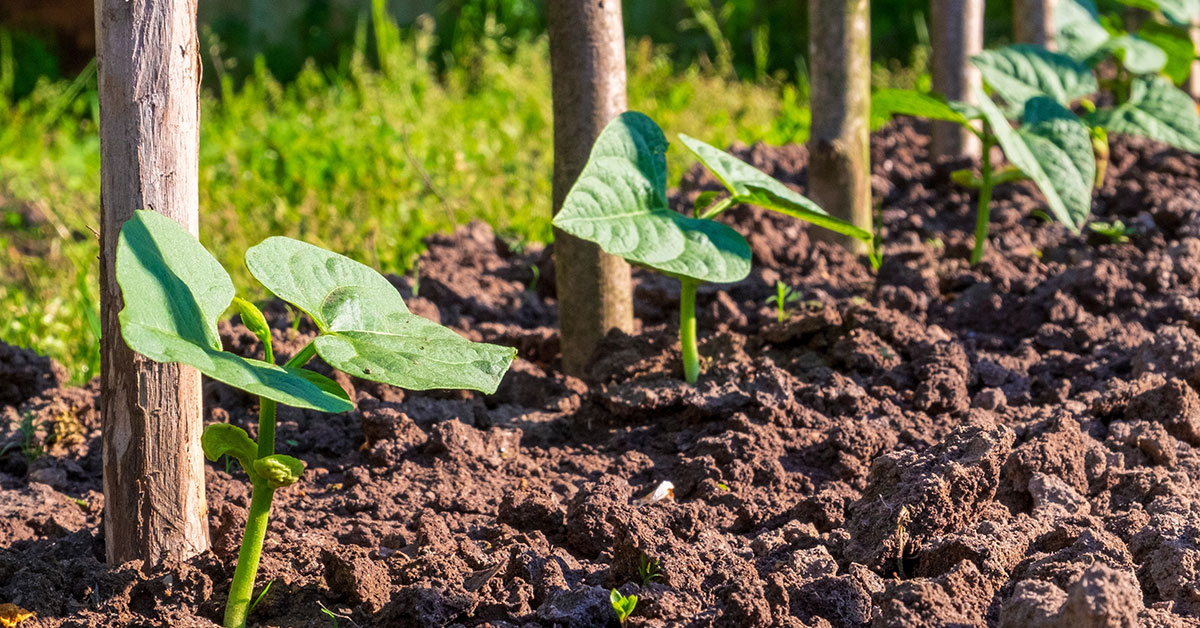

The soybean (Glycine max) is a versatile and highly valued plant that has been cultivated for centuries for its multitude of uses. As one of the most important legume crops worldwide, soybean holds a prominent place in the agricultural industry, serving as a vital source of protein, oil, and feed for both humans and livestock.
Native to East Asia, this remarkable plant has now spread its roots across the globe, adapting to various climates and becoming a staple in diets and industries around the world. From its nutritional benefits to its role in sustainable agriculture and beyond, the soybean plant continues to captivate the attention of farmers, researchers, and consumers alike.
In this article, we will explore the fascinating world of soybean, delving into its rich history, growth requirements, cultivation techniques, and the numerous ways in which it contributes to our daily lives. Whether you are an enthusiastic gardener, a farmer, or simply curious about this remarkable crop, this comprehensive guide will provide you with valuable insights, tips, and advice to help you successfully incorporate soybean into your garden or farm and make the most of its incredible potential.
What is a Soybean?
A soybean is a type of legume that belongs to the pea family, scientifically known as Glycine max. It is native to East Asia and has been cultivated for thousands of years, primarily for its edible beans. Soybeans are widely grown around the world today, and they have become an essential crop due to their numerous uses.
Soybean plants are annuals that can reach a height of 2 to 6 feet (0.6 to 1.8 meters) depending on the variety and growing conditions. The plants have a central stem with trifoliate leaves, meaning each leaf is composed of three leaflets. The flowers are small and usually white or purple in color. The beans themselves develop within pods that are typically 2 to 5 inches (5 to 12 centimeters) long and contain two to four beans each.
Soybeans can vary in color, ranging from yellow and green to black, depending on the specific variety. The beans are rich in protein, oil, and various nutrients, which makes them valuable for both human and animal consumption. Soybeans are incredibly versatile and have various applications.
In the culinary world, they are commonly used to produce soy milk, tofu, tempeh, miso, and soy sauce. Their oil is also extracted and used for cooking and as an ingredient in many processed food products. Additionally, soybeans are a popular source of protein for vegetarians and vegans. From an agricultural perspective, soybeans are a valuable cash crop and have economic importance in many countries.
They are often used in crop rotation systems to improve soil fertility due to their ability to fix nitrogen. Moreover, soybean plants are also cultivated for their ability to produce biodiesel fuel. Overall, soybeans are highly nutritious, versatile, and have numerous applications, making them an important crop in both agriculture and the food industry.
What does a Soybean taste like?
Soybeans have a mild and nutty flavor, with a slightly sweet and earthy taste. The taste of soybeans can vary depending on how they are prepared or cooked. When eaten fresh or boiled, soybeans have a tender and buttery texture with a subtle sweetness. They may also have a slight bitterness to them, especially if consumed without any seasoning.
When roasted or toasted, soybeans develop a richer and more intense flavor, similar to that of roasted nuts. Roasted soybeans are often crunchy and have a slightly smoky taste. They can be seasoned with various spices or salt to enhance their flavor.
Overall, soybeans have a versatile taste that can be adapted to different culinary preparations. They are commonly used in a wide range of dishes, including soups, stir-fries, salads, and even as a meat substitute in vegetarian or vegan recipes.
How to start Soybeans from seed
Starting soybeans from seed is a relatively simple process. Here are the steps to get you started:
- Seed Selection: Choose a high-quality soybean seed variety that is well-suited for your growing region and desired purpose, such as for cooking or for animal feed.
- Soil Preparation: Soybeans prefer well-draining soil with a pH level between 6.0 and 7.0. Clear the planting area of any weeds or debris, and loosen the soil using a garden fork or tiller. If the soil is heavy or compacted, consider adding organic matter like compost to improve its structure and fertility.
- Sowing Seeds: Soybeans can be started indoors or directly sown outdoors, depending on your climate and growing season. If starting indoors, use biodegradable seedling pots or trays filled with seed starting mix. Sow the seeds about 1 inch deep, placing one seed per pot or cell. Water the soil gently to ensure good seed-to-soil contact.
- Germination: Soybeans typically germinate within 7-10 days. Maintain a consistent temperature of around 70-75°F (21-24°C) for optimal germination. Keep the soil moist but not waterlogged during this period.
- Transplanting (if applicable): If you started your soybeans indoors, they will need to be hardened off before transplanting. Gradually expose the seedlings to outdoor conditions, starting with a few hours of sunlight and gradually increasing the duration over a week. Transplant them outdoors when all risk of frost has passed and the soil temperature is consistently above 50°F (10°C).
- Outdoor Planting: Choose a sunny location with well-drained soil for planting soybeans. Space the seedlings about 4-6 inches apart, leaving 24-36 inches between rows. Gently remove the seedlings from their pots, taking care not to damage the delicate roots. Plant them at the same depth they were in the pots and firm the soil around the roots.
- Watering and Maintenance: Soybeans require regular watering, particularly during dry periods. Aim to keep the soil evenly moist but not waterlogged. Mulching around the plants can help conserve moisture and suppress weed growth. Keep an eye out for pests like aphids or caterpillars and take appropriate measures if necessary.
- Harvesting: Soybeans are typically ready for harvest 80-120 days after planting, depending on the variety and growing conditions. The pods will turn yellow or brown, and the beans inside will be fully developed and firm. Harvest the entire plant by cutting it at the base, or you can pick individual pods if the plant is still producing.
Remember to follow any specific instructions provided with the soybean seed variety you choose, as different varieties may have slightly different requirements. With proper care and attention, you should be able to enjoy a successful soybean harvest!
Planting and growing Soybeans
To plant and grow soybeans, follow these steps:
- Choose the right time: Soybeans are warm-season crops, so they should be planted when the soil temperature reaches at least 50°F (10°C) and there is no risk of frost. Typically, this is in late spring or early summer.
- Select a suitable location: Soybeans need a sunny spot that receives at least 6-8 hours of sunlight daily. The soil should be well-draining and rich in organic matter.
- Prepare the soil: Remove any weeds or debris from the planting area. Work the soil using a garden fork or tiller to break up clumps and improve drainage. Incorporate organic matter, such as compost or well-rotted manure, to enhance soil fertility.
- Sow the seeds: Soybean seeds should be planted about 1-2 inches (2.5-5 cm) deep and spaced 2-4 inches (5-10 cm) apart. You can sow them in rows or blocks, depending on your preference.
- Water thoroughly: After planting, water the area gently but deeply to ensure good seed-to-soil contact and proper germination. Keep the soil consistently moist but avoid overwatering, as soybeans are susceptible to rot in waterlogged conditions.
- Maintain proper care: As the soybeans grow, keep the area free from weeds, which can compete for nutrients and water. Mulching around the plants can help suppress weed growth and retain soil moisture.
- Fertilize as needed: Soybeans are nitrogen-fixing plants, meaning they can take atmospheric nitrogen and convert it into a usable form. However, if the plants appear pale or lack vigor, you can apply a balanced fertilizer to provide additional nutrients.
- Watch for pests and diseases: Monitor your soybean plants regularly for signs of pests like aphids, leafhoppers, or caterpillars. Use organic pest control methods or consult with your local garden center for suitable treatments. Additionally, keep an eye out for common diseases like powdery mildew or root rot, and take appropriate action if necessary.
- Harvest at the right time: Soybeans are ready for harvest when the pods have filled out and the leaves start to yellow and drop. Harvest the entire plant by carefully pulling it up from the ground or cutting it at the base. Hang the plants upside down in a dry, well-ventilated area to allow the pods to fully dry before removing the beans.
By following these steps, you can successfully plant and grow soybeans in your garden. Happy gardening!
When to harvest Soybeans
The best time to harvest soybeans is when the pods are fully mature and the beans inside are fully developed. This typically occurs when the leaves begin to yellow and the pods turn brown. To determine if it’s the right time, you can gently squeeze a few pods and check if the beans inside are firm. Another method is to remove a few pods and break them open to see if the beans are fully formed and have reached their maximum size. Generally, soybeans are ready for harvest around 100-150 days after planting, but this can vary based on the specific variety and growing conditions.