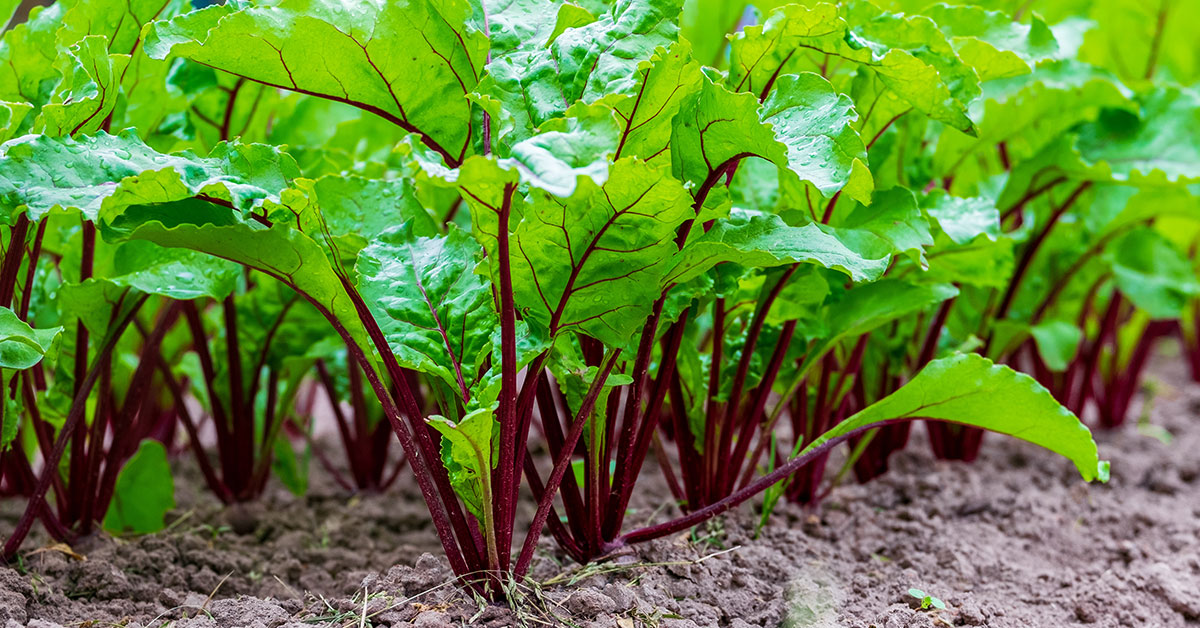

Welcome to the world of golden beets, a vibrant and nutritious root vegetable that is sure to add a burst of color and flavor to your garden and plate. The golden beet, also known as yellow beets, is a variety of beetroot that stand out from its red counterparts with its striking golden hue.
With their slightly sweet and earthy taste, golden beets offer a delicious culinary experience, whether they are enjoyed raw, roasted, or pickled. Not only are they a feast for the senses, but golden beets are also packed with essential vitamins, minerals, and antioxidants, making them a valuable addition to any healthy diet.
In this article, we will explore the many benefits and uses of golden beets, as well as provide tips and tricks for growing and caring for these radiant root vegetables in your own garden. So, let’s dig in and discover the wonders of golden beets together!
What is a Golden Beet?
A Golden Beet, also known as yellow beet or yellow beetroot, is a root vegetable that belongs to the same family as the regular red beet (Beta vulgaris). It is characterized by its vibrant golden-yellow color, which sets it apart from the traditional red varieties.
Golden beets have a sweet and mellow flavor, similar to that of red beets, but with a slightly less earthy taste. They have a tender and crisp texture when raw, and when cooked, they become soft and buttery. The golden color of the beet intensifies when cooked, making it visually appealing in various dishes. These beets are rich in nutrients and offer several health benefits. They are a great source of fiber, vitamins, and minerals, including vitamin C, potassium, and folate.
Additionally, golden beets contain antioxidants that help protect the body against free radicals and inflammation. In the garden, golden beets require similar growing conditions to their red counterparts. They prefer well-drained soil and full sun exposure. The seeds can be sown directly into the soil in spring, once the ground has warmed up.
They typically take around 50-60 days to reach maturity, at which point they can be harvested. Golden beets are versatile in the kitchen and can be enjoyed in various ways. They can be sliced or grated and added raw to salads for a vibrant touch. When cooked, they can be roasted, boiled, steamed, or even pickled. The beet greens, which are edible and nutritious, can also be sautéed or used in salads.
Overall, golden beets are a delightful and nutritious addition to any garden and can be enjoyed in a variety of culinary creations.
What do Golden Beets taste like?
Golden beets have a unique and delicious taste that sets them apart from regular red beets. They are slightly sweeter and milder in flavor, with a subtle earthy and nutty undertone. The sweetness is often compared to that of a carrot or corn, but with a more delicate and less overpowering profile. Golden beets also have a smoother texture compared to their red counterparts.
When cooked, they retain their vibrant golden color and have a tender, slightly firm yet creamy texture. Whether roasted, steamed, or pickled, golden beets offer a delightful combination of sweetness and earthiness that adds a delightful touch to any dish.
How to start Golden Beets from seed
To start growing Golden Beets, follow these steps:
- Selecting Seeds: Begin by choosing high-quality Golden Beet seeds from a reputable source. Look for seeds that are fresh and specifically labeled as Golden Beets.
- Preparing the Soil: Golden Beets prefer well-drained, loose, and fertile soil. Prepare the soil by removing any weeds or debris and then loosen it using a garden fork or tiller. Incorporate organic matter like compost or aged manure to improve the soil’s fertility and moisture-retaining capacity.
- Sowing Seeds: Sow Golden Beet seeds directly into the garden bed. Make sure the soil is moist but not waterlogged. Plant the seeds about half an inch deep, spacing them around 2-3 inches apart. You can also sow them in rows, leaving around 12-18 inches between each row.
- Watering: After sowing the seeds, water the bed gently to ensure the soil stays evenly moist. Avoid overwatering, as it can lead to rotting or poor germination. Keep the soil consistently moist until the seeds germinate, which usually takes around 7-14 days.
- Thinning Seedlings: Once the seedlings emerge and develop a couple of true leaves, thin them out to provide adequate space for each plant to grow. Thin the seedlings to a spacing of around 4-6 inches apart. You can use the thinned seedlings in salads or transplant them to another area if you wish.
- Providing Adequate Sunlight: Golden Beets thrive in full sun, so ensure they receive at least 6-8 hours of direct sunlight daily. Adequate sunlight is crucial for proper growth and root development.
- Fertilizing: Golden Beets benefit from regular feeding. Apply a balanced organic fertilizer or a slow-release granular fertilizer according to the package instructions when the plants are about 4-6 inches tall. Repeat the application every 4-6 weeks throughout the growing season.
- Watering and Mulching: Golden Beets require consistent moisture to grow well. Water them regularly, aiming to keep the soil evenly moist but not waterlogged. Mulching around the plants with organic matter like straw or wood chips can help retain soil moisture and suppress weeds.
- Controlling Weeds and Pests: Keep the garden bed free from weeds, as they can compete with the beets for nutrients and water. Regularly remove any weeds that appear. Monitor the plants for pests like aphids, slugs, or beet leaf miners. If necessary, take appropriate measures to control these pests using organic methods.
- Harvesting: Golden Beets are typically ready for harvest 55-70 days after sowing, but you can harvest them at any size you prefer. Gently dig around the base of the plant and lift the beets, being careful not to damage the roots. Trim the tops, leaving about an inch of stem, and store the beets in a cool, dry place.
By following these steps, you should be able to successfully start and grow your own Golden Beets. Enjoy the process and the delicious harvest!
Planting and growing Golden Beets
Planting and growing Golden Beets requires a few key steps. Here is a simplified guide to help you get started:
- Choose the right time: Golden Beets are cool-season crops, so it’s best to plant them in early spring or late summer, depending on your climate.
- Select a suitable location: Find a spot in your garden that receives full sun or partial shade. Ensure the soil is well-draining, loose, and rich in organic matter.
- Prepare the soil: Prior to planting, remove any weeds or rocks from the area. Loosen the soil using a garden fork or tiller, and amend it with compost or well-rotted manure to improve fertility.
- Sow the seeds: Golden Beet seeds are usually sown directly into the garden bed. Make shallow furrows about 1 inch deep and 12-18 inches apart. Space the seeds about 2 inches apart, and cover them with a thin layer of soil. Gently water the area.
- Watering and maintenance: Keep the soil consistently moist but not waterlogged. Be careful not to let the soil dry out, as this can lead to tough and woody roots. Regularly water the plants, especially during dry periods.
- Thin the seedlings: Once the seedlings emerge and grow a few inches tall, thin them out to provide adequate space for growth. Thin the plants to around 4-6 inches apart, allowing them enough room to develop their roots.
- Fertilize: Golden Beets benefit from a balanced fertilizer application. You can use a slow-release or organic fertilizer according to the package instructions. Apply the fertilizer around the plants, taking care not to let it touch the leaves or stems.
- Mulch: Apply a layer of organic mulch, such as straw or wood chips, around the plants. Mulching helps conserve moisture, suppresses weed growth, and keeps the soil temperature consistent.
- Harvesting: Golden Beets are typically ready for harvest around 55-70 days after sowing, depending on the variety. Gently loosen the soil around the beets and lift them out. Harvest when the roots reach a desirable size, usually around 2-3 inches in diameter. The greens are also edible and can be harvested throughout the growing season.
- Storage: Remove the beet greens, leaving about an inch of the stem attached. Store the beets in a cool, dark place such as a root cellar or refrigerator. They can last several weeks to a few months if stored properly.
Remember to monitor your plants for any signs of pests or diseases, and take appropriate measures to address them. With proper care and attention, you can enjoy a bountiful harvest of delicious Golden Beets.
When to harvest Golden Beet
The best time to harvest Golden Beets is when they have reached a mature size, typically around 2 to 3 inches in diameter. This usually occurs 55 to 70 days after sowing the seeds, depending on the variety. You can gently loosen the soil around the beets and lift them out, being careful not to damage the roots. The foliage of the plant can also give you a clue about readiness for harvest. If the leaves start to yellow and wilt, it is a sign that the beets are ready to be harvested. Harvesting in the early morning or late afternoon is ideal to prevent wilting and ensure the best flavor and texture.