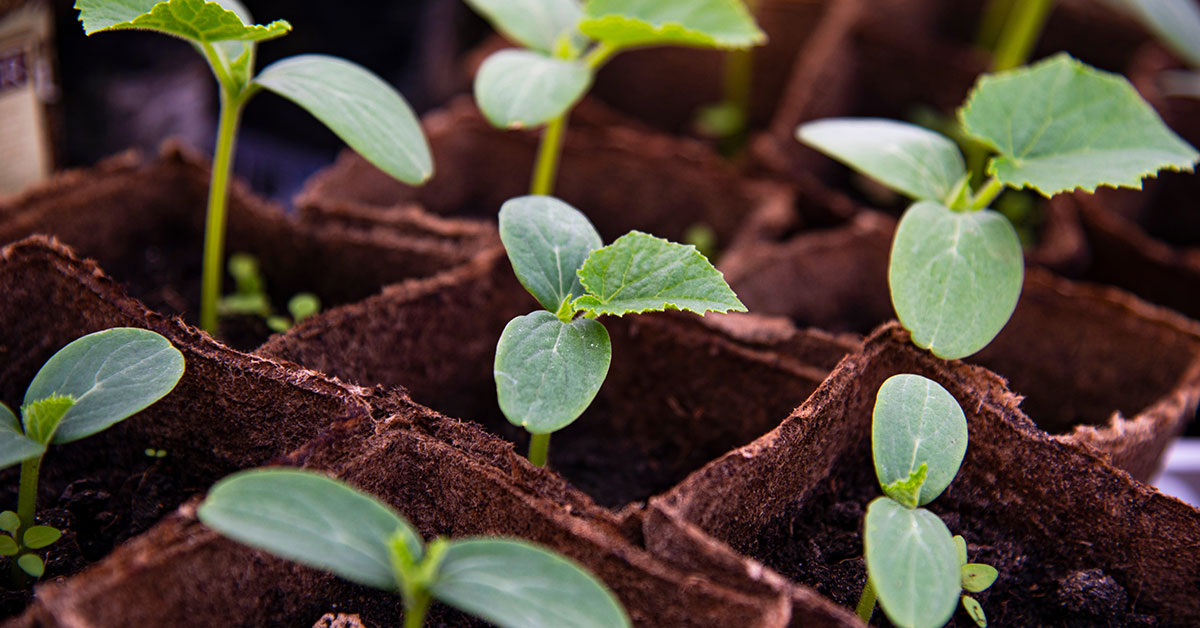

Planting cucumbers in zone 10 at the right time can help to ensure a bountiful harvest from your garden.
From understanding the unique climate of this zone to considering the ideal planting windows, we will provide you with the knowledge and tips you need to successfully grow cucumbers in your zone 10 garden.
Best varieties of Cucumbers for zone 10
In zone 10, which typically has a long and hot growing season, there are several cucumber varieties that perform well. Here are a few recommended choices:
- Armenian Cucumbers (also known as Yard-Long or Snake Cucumbers): These cucumbers have a unique appearance, with long, slender, and slightly curved fruits. They have a mild flavor and can grow up to 2 feet long. Armenian cucumbers are heat-tolerant and produce abundantly in warm climates.
- Suyo Long Cucumbers: This variety is another long cucumber, often reaching lengths of 12-15 inches. They have a crisp texture and are known for their excellent flavor. Suyo Long cucumbers are heat-tolerant and have good disease resistance.
- Marketmore 76: This is a popular slicing cucumber variety that performs well in hot climates. It produces dark green, straight fruits that can grow up to 8-9 inches long. Marketmore 76 cucumbers have a refreshing taste and are ideal for salads and sandwiches.
- Straight Eight: As the name suggests, this variety produces straight, uniform cucumbers that are about 8 inches long. They have a classic cucumber flavor and are excellent for fresh eating or pickling. Straight Eight cucumbers are known for their productivity and adaptability to warm temperatures.
- Lemon Cucumbers: These cucumbers have a round, yellow fruit that resembles a lemon. They have a mild, sweet taste and a tender skin. Lemon cucumbers are heat-tolerant and can be enjoyed fresh in salads or pickled.
When choosing cucumber varieties for zone 10, it’s important to consider heat tolerance, disease resistance, and the length of the growing season. These recommended varieties are known to perform well in hot climates and can provide you with a bountiful cucumber harvest.
When to plant Cucumbers in zone 10
In gardening, understanding your hardiness zone is crucial to successfully growing plants that are adapted to your specific climate conditions. In the United States, hardiness zones are defined by the United States Department of Agriculture (USDA) based on the average annual minimum temperature. Zone 10 is generally characterized by mild winters and warm to hot summers, making it ideal for growing a wide range of plants, including cucumbers.
Cucumbers (Cucumis sativus) thrive in warm weather and require a long growing season to produce a bountiful harvest. In zone 10, the best time to plant cucumbers is during the spring when the soil has warmed up and the risk of frost has passed. Typically, this means planting cucumbers between late February and early April.
Before planting cucumbers, it is important to ensure that the soil temperature has reached a minimum of 60°F (15°C). Cucumbers are sensitive to cold temperatures and won’t germinate or grow well if planted in cold soil. Using a soil thermometer can provide an accurate reading, helping you determine if the conditions are right for planting.
To prepare your garden for cucumber planting, start by selecting a sunny location with well-draining soil. Cucumbers prefer soil that is rich in organic matter, so incorporating compost or well-rotted manure into the soil before planting is beneficial. This will not only enhance the soil structure but also provide essential nutrients for healthy growth.
When planting cucumbers, you have the option to sow seeds directly into the garden or start them indoors and transplant later. If you choose to start cucumbers indoors, sow the seeds in biodegradable pots or seed trays about 3-4 weeks before the expected planting date. This will give the seedlings a head start before being transplanted outdoors.
If sowing directly in the garden, plant cucumber seeds about 1 inch deep, spacing them around 12 inches apart in rows that are 4-6 feet apart. Ensure that the soil is consistently moist but not waterlogged during the germination period. Once the seedlings emerge, thin them to about 2-3 feet apart to allow for proper airflow and growth.
Cucumbers are vining plants, so providing support such as trellises, stakes, or cages is essential. This will help maintain an upright growth habit, maximize space, and allow for better air circulation, reducing the risk of diseases.
Throughout the growing season, ensure that the cucumbers receive regular watering, especially during hot and dry periods. Consistent moisture is essential for good fruit development. Mulching around the plants can help conserve moisture, suppress weeds, and maintain more even soil temperatures.
As the cucumbers grow, monitor them for pests and diseases, such as cucumber beetles, aphids, powdery mildew, or downy mildew. Applying organic pest control measures or using companion planting techniques can help manage these issues effectively.
Harvesting cucumbers in zone 10 typically begins around 55-70 days after planting, depending on the variety. Regularly check the plants for mature cucumbers, which are usually firm, fully colored, and have reached the desired size. Harvesting regularly encourages more fruit production.
By following these guidelines, you can successfully grow cucumbers in zone 10, enjoying a bountiful harvest of this refreshing and versatile vegetable throughout the growing season. Happy gardening!
When to harvest Cucumbers in zone 10
In zone 10, the optimal time to harvest cucumbers is when they are firm, crisp, and have reached their mature size. Cucumbers are typically ready for harvest about 50-70 days after planting, depending on the variety. You can also look for signs like a dark green color, smooth skin, and a slight glossiness. It’s important to regularly check your cucumber plants for mature fruits and harvest them promptly to encourage continuous production.
Other considerations for growing Cucumbers
When growing cucumbers in zone 10, there are a few additional considerations to keep in mind:
- Sunlight: Cucumbers thrive in full sun, so ensure they receive at least 6-8 hours of direct sunlight daily. In hotter regions, some partial shade during the hottest part of the day can help protect the plants from scorching.
- Watering: Cucumbers have high water needs and require consistent moisture. In zone 10, where temperatures can be high, it is important to provide regular deep watering to ensure the soil remains evenly moist. Use a drip irrigation system or water deeply at the base of the plants to prevent wetting the foliage, which can lead to fungal diseases.
- Soil: Cucumbers prefer well-draining, fertile soil with a pH level between 6.0 and 7.0. Amend the soil with organic matter, such as compost or well-rotted manure, to improve its structure and nutrient content.
- Mulching: Applying a layer of organic mulch, such as straw or wood chips, around cucumber plants can help conserve soil moisture, suppress weed growth, and maintain a cooler soil temperature during hot weather.
- Trellising or support: Growing cucumbers vertically on trellises or supports can be beneficial in zone 10, where space might be limited. It helps improve air circulation, reduces disease risks, and allows the fruit to grow straight and off the ground.
- Pest and disease control: Keep a close eye on common cucumber pests like aphids, cucumber beetles, and spider mites. Monitor the plants regularly and take appropriate action, such as using insecticidal soaps or organic pesticides, if necessary. Also, be vigilant against diseases like powdery mildew, which can be more prevalent in warm and humid climates. Proper spacing, good air circulation, and avoiding overhead watering can help prevent disease issues.
- Timing: In zone 10, cucumbers can be grown year-round with proper planning. However, the intense heat of summer can cause the plants to struggle and reduce fruit production. Planting cucumber varieties that are heat-tolerant or opting for early-maturing varieties can help overcome this challenge.
By considering these factors, you can maximize your cucumber harvest in zone 10 and enjoy fresh, homegrown cucumbers throughout the growing season.